Canada retaliates with 50% tariffs on US goods after Trump's move
Canada announced 50% retaliatory tariffs on US goods, dollar-for-dollar, in response to new US tariffs taking effect Saturday.
President Donald Trump's administration imposed 50% tariffs on a range of Canadian goods early Saturday morning, following the collapse of trade negotiations between the two nations. The tariffs, which target dozens of products including hockey sticks and wine, officially went into effect at 12:01 a.m. Eastern Time.
Both the United States and Canada pointed fingers at each other for the breakdown in talks. U.S. Trade Representative Jamieson Greer stated that Canada declined to finalize an agreement under previously agreed-upon terms, citing "new demands and walk backs of other commitments." Greer also accused Canada of "prolonged retaliation" against the U.S., including prohibitions on certain American goods and services.
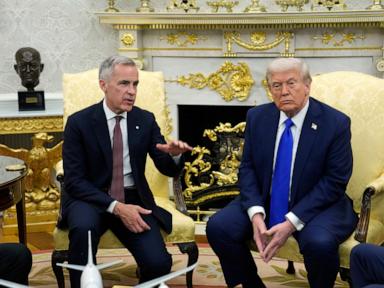
In a late-night announcement Friday, Canadian Prime Minister Mark Carney revealed Canada's intention to match the U.S. tariffs "dollar for dollar." He described the U.S. proposals as unfair and uneconomic, citing last-minute changes to terms that had been previously discussed. The retaliatory tariffs, amounting to 50% on approximately $28 billion of Canadian goods, are set to begin on September 8.
Prime Minister Carney indicated that the trade talks faltered due to unfavorable requests from American negotiators, stating they "asked too much and offered too little." A significant point of contention, according to Carney, was the U.S. altering its proposed tariff levels on automobiles, which he argued would have harmed Canada's economy. He criticized the Trump administration's approach, suggesting it uses economic integration as a weapon.
Carney emphasized that Canada would not compromise its sovereignty or undermine its key industries. He characterized the new U.S. tariffs as an attempt to inflict harm and create division, asserting that Canadians would support each other. The Canadian retaliatory tariffs will specifically target sectors such as steel, dairy, appliances, agricultural equipment, pulp and paper, and electronics.
The imposition of these tariffs follows a period of intense negotiation, during which President Trump had previously extended a deadline to allow for further discussions. The administration had offered Canada preferential treatment as a major exporter, but the talks ultimately failed to reach a resolution.
Canadian officials, including Trade Minister Dominic LeBlanc and chief trade negotiator Janice Charette, were present during Carney's press conference detailing the response. The U.S. administration officials had earlier expressed confidence that a deal was within reach, highlighting the U.S. offer as the most favorable to Canada among its major trading partners.
The escalation of trade tensions raises concerns about the broader economic relationship between the two North American neighbors and could lead to significant disruptions for businesses and consumers on both sides of the border.
This article was written by AI based on publicly available news reporting. Original reporting by the linked source.