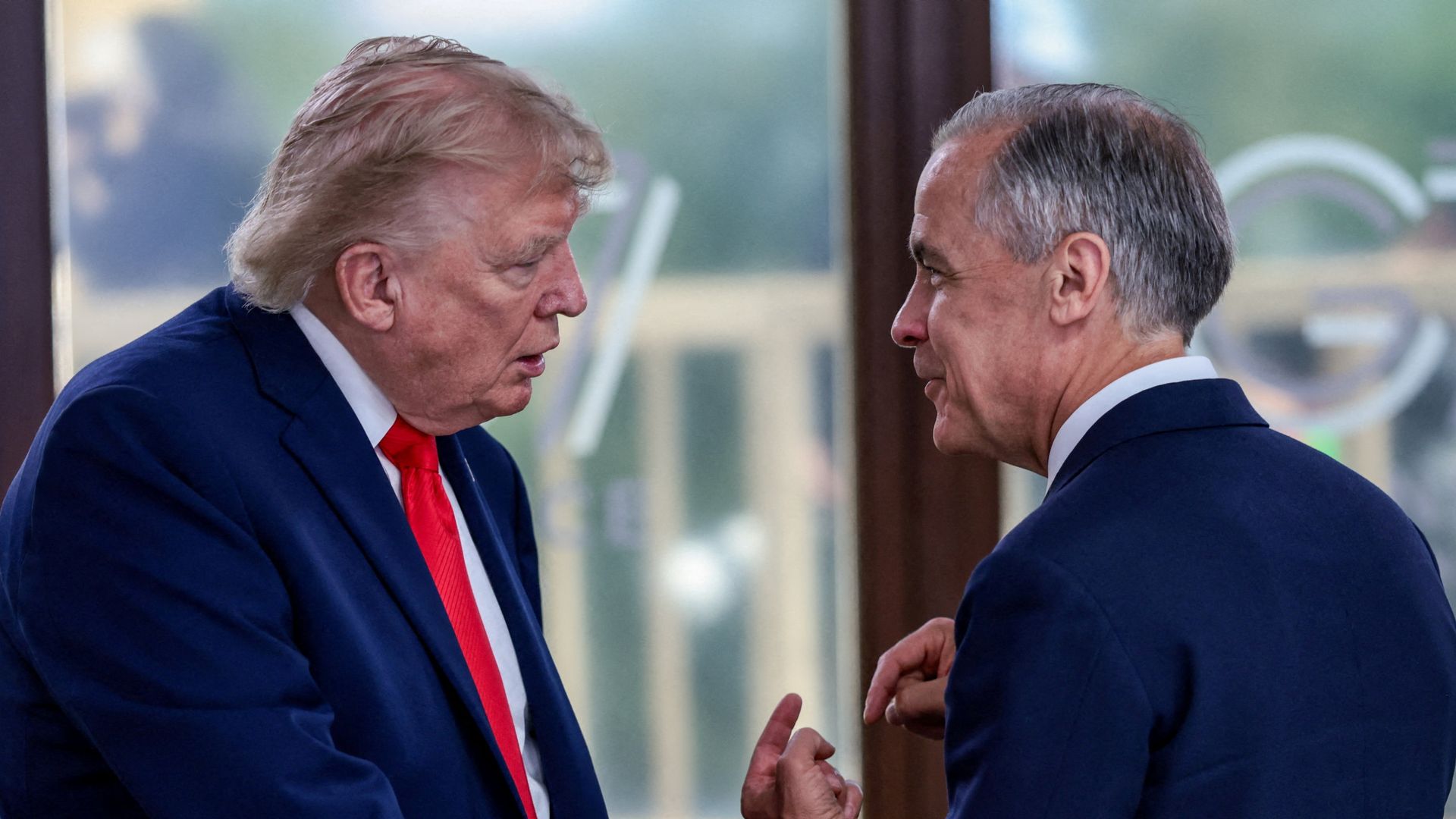
US Pauses 50% Tariffs on Canadian Goods After Intense Talks
President Trump halts planned tariffs on Canadian imports following last-minute negotiations, averting a trade escalation.
President Donald Trump announced Tuesday a pause on the imposition of 50% tariffs on a wide range of goods imported from Canada. The decision came after what officials described as "intense" last-minute negotiations aimed at resolving a burgeoning trade dispute.
The move averts an immediate escalation of trade tensions between the two neighboring economies, which have been closely intertwined for decades. The proposed tariffs, which were set to take effect imminently, threatened to disrupt supply chains and raise costs for consumers and businesses on both sides of the border.
Details surrounding the agreement remain scarce, but sources close to the talks indicated that concessions were made by both the U.S. and Canadian sides. The pause in tariffs suggests a period of continued dialogue and potential for a more comprehensive trade resolution.
The implications of this tariff pause are significant, providing a much-needed reprieve for industries that were bracing for the financial impact. It also signals a potential shift in the administration's approach to trade relations with key allies, prioritizing negotiation over immediate punitive measures.
This development follows a period of increasing friction in U.S.-Canada trade relations. For months, the two countries have been engaged in discussions over various trade issues, with tariffs emerging as a major point of contention. The threat of substantial tariffs had cast a shadow over the economic outlook for sectors heavily reliant on cross-border trade.
Canadian officials had expressed strong opposition to the proposed tariffs, emphasizing the detrimental effects they would have on Canadian businesses and the broader North American economy. They had consistently advocated for a collaborative approach to resolving trade disagreements.
Economists and industry leaders had warned that the imposition of such high tariffs could lead to retaliatory measures, further exacerbating the situation and potentially triggering a wider trade war. The pause offers a window to avoid such an outcome and to foster a more stable trading environment.
While the immediate threat of tariffs has been lifted, the long-term resolution of trade issues between the U.S. and Canada remains a key focus. The coming weeks will be crucial in determining whether the current pause translates into a lasting agreement or if trade disputes will resurface.
This article was written by AI based on publicly available news reporting. Original reporting by the linked source.