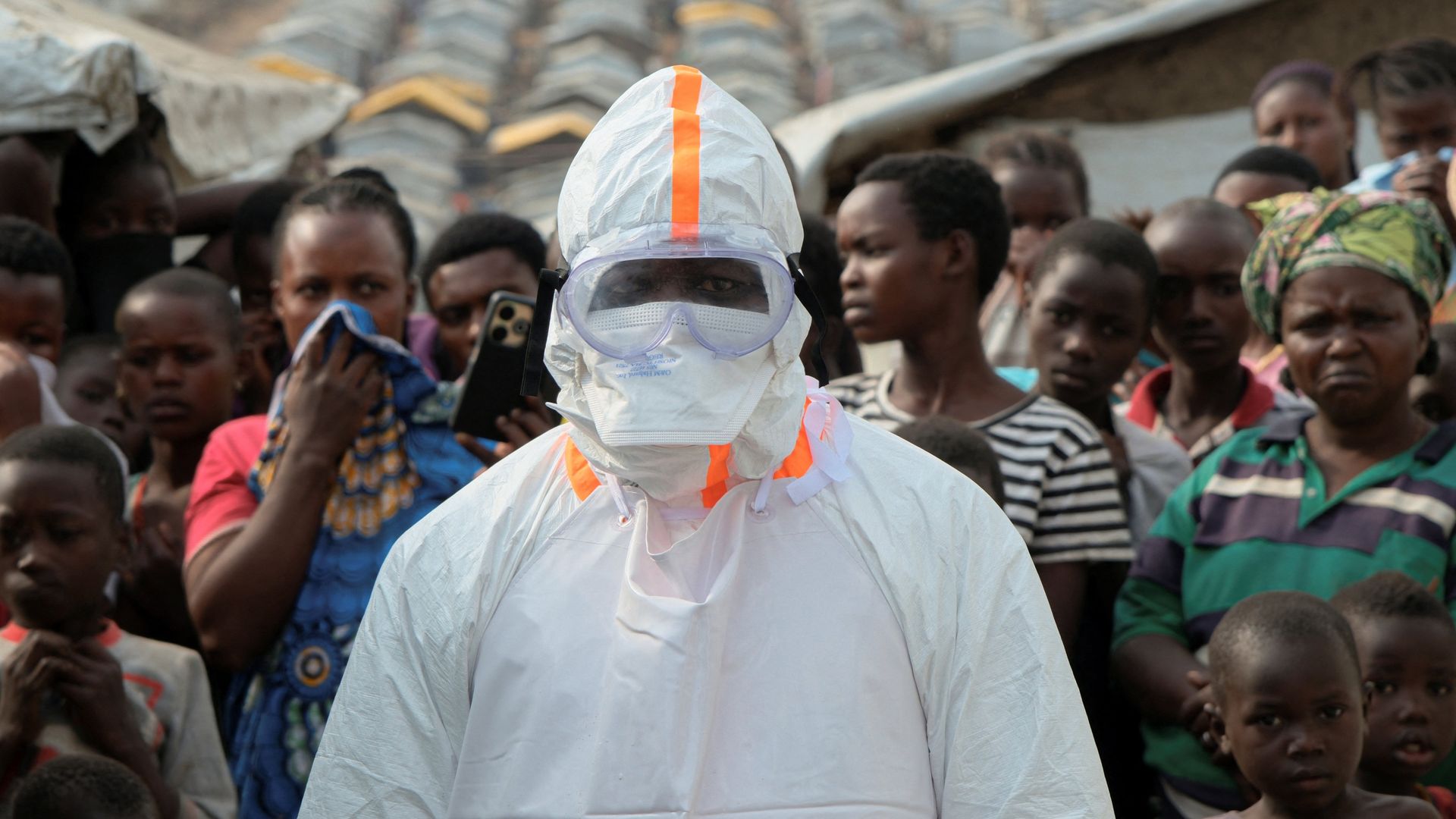
Ebola Cases Top 2,000 in DRC; Officials Admit Outbreak Remains Uncontained
DRC's Ebola outbreak surpasses 2,000 cases and 750 deaths, with officials acknowledging ongoing challenges in containment efforts.
The Democratic Republic of Congo (DRC) is grappling with an escalating Ebola outbreak, as confirmed cases have now reached 2,011, resulting in 754 fatalities, according to the latest government figures. This grim milestone underscores the persistent challenges faced by health authorities in bringing the epidemic under control.
The current outbreak, one of the deadliest in recent history, has been particularly difficult to manage due to a complex mix of factors including insecurity in affected regions and widespread mistrust of health workers among local populations. These elements have hampered contact tracing and vaccination efforts, allowing the virus to continue spreading.
Officials on the ground have candidly admitted that containment remains a significant hurdle. The sheer number of cases and the geographic spread of the virus mean that response teams are "still chasing it," a phrase reflecting the dynamic and elusive nature of the epidemic. This admission highlights the ongoing strain on resources and personnel.
The implications of the outbreak's persistence are far-reaching, extending beyond the immediate health crisis. The economic impact on communities, already fragile, is substantial, with trade and daily life severely disrupted. Furthermore, the continued spread raises concerns about potential international transmission, despite robust screening measures at borders.
Previous efforts to contain Ebola in the DRC have faced similar obstacles, but the scale and duration of this current epidemic present unique challenges. The virus has spread to numerous health zones, requiring a decentralized and adaptable response strategy. The complexity of the affected areas, often remote and difficult to access, further complicates the logistical demands of the response.
Health experts have emphasized the critical need for sustained international support, both in terms of funding and specialized personnel. They also point to the importance of community engagement and building trust with local populations as paramount to overcoming resistance to public health interventions. Without active community participation, efforts to track and prevent transmission are significantly undermined.
Vaccination campaigns have been a cornerstone of the response, but their effectiveness is challenged by the logistical difficulties in reaching remote populations and ensuring consistent follow-up. The development and deployment of effective treatments have also played a role, but access remains a concern in many areas.
As the outbreak continues, key questions remain about the long-term strategy for eradicating the virus and preventing future resurgence. The effectiveness of current containment measures, the impact of ongoing insecurity on response efforts, and the sustainability of international aid are all critical factors that will shape the trajectory of this public health emergency.
This article was written by AI based on publicly available news reporting. Original reporting by the linked source.