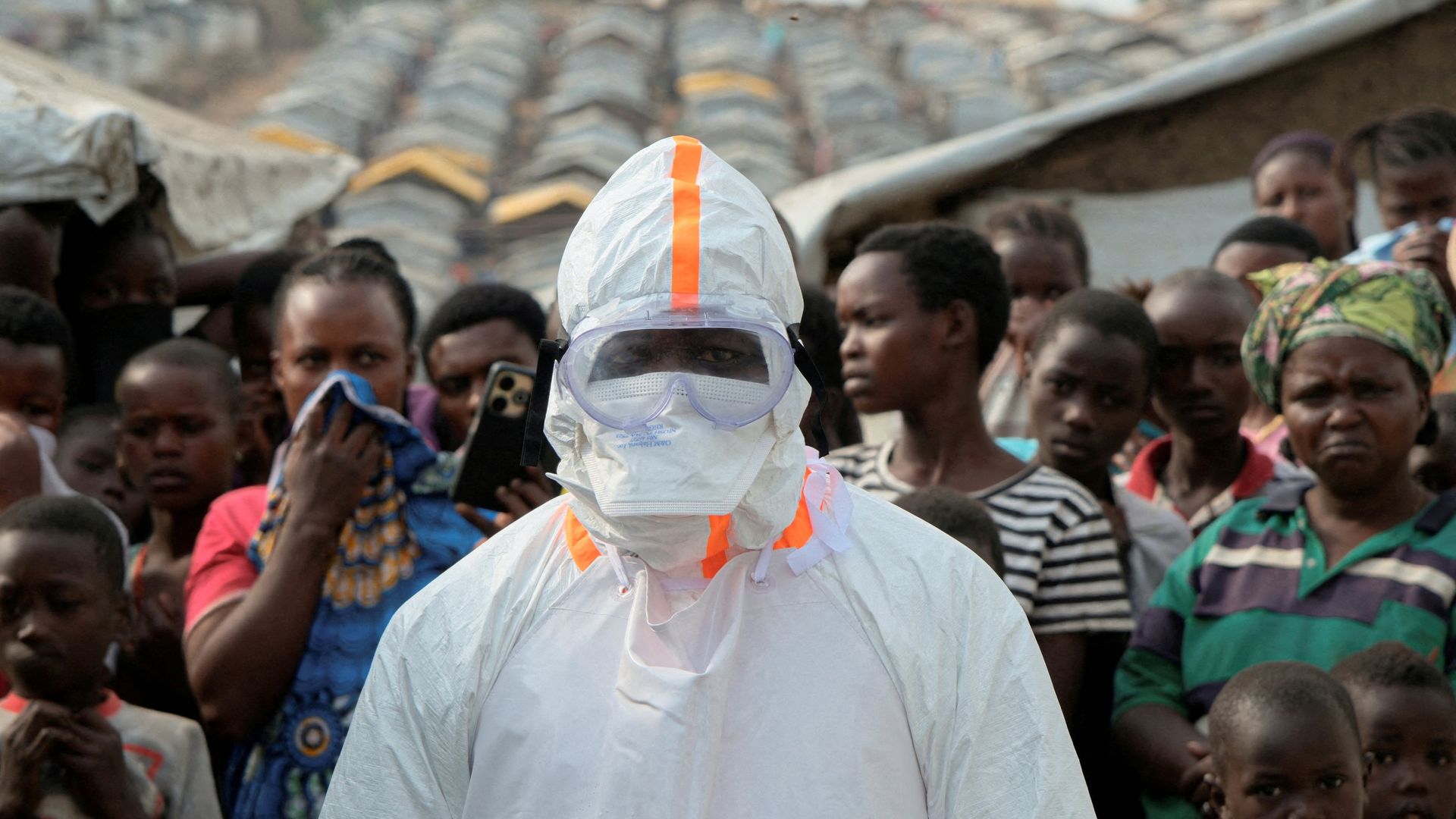
DR Congo Ebola Cases Top 3,000 Amid Health Worker Strike
The Democratic Republic of Congo reports over 3,000 confirmed Ebola cases, coinciding with a strike by critical health workers.
The Democratic Republic of Congo (DRC) has officially surpassed 3,000 confirmed cases of Ebola, marking a grim milestone in what is now considered the fastest-growing outbreak of the disease in history.
The current epidemic, which began in August 2018, has been particularly challenging due to its scale and the complex security environment in the affected eastern regions of the DRC.
Health officials are facing mounting pressure not only from the persistent spread of the virus but also from a strike initiated by health workers demanding better pay and improved safety measures. This industrial action threatens to further impede crucial response efforts.
The ongoing strike by healthcare professionals, who are on the front lines of the outbreak, raises serious concerns about the ability to effectively contain the virus and provide adequate care to those infected. The situation highlights the critical need for sustained support and protection for the personnel battling the epidemic.
This outbreak is the second-deadliest in history, following the 2014-2016 West Africa epidemic, which claimed over 11,000 lives. The sheer number of cases in the DRC underscores the persistent threat posed by the virus and the difficulties in controlling its transmission in densely populated and often inaccessible areas.
International health organizations have been working alongside the DRC's Ministry of Health, deploying resources and expertise to combat the outbreak. However, the volatile security situation, including attacks on treatment centers and harassment of health workers, has repeatedly disrupted vaccination campaigns and contact tracing efforts.
Reactions to the strike have been mixed, with some expressing understanding for the workers' grievances while others fear the immediate consequences for public health. The government and aid agencies are reportedly in discussions to resolve the labor dispute, recognizing its potential impact on the fragile progress made so far.
As the number of cases continues to climb, questions remain about the long-term strategy for controlling the epidemic and rebuilding trust within affected communities. The dual challenges of a relentless virus and a strained healthcare workforce present a formidable obstacle to achieving a definitive end to the outbreak.
This article was written by AI based on publicly available news reporting. Original reporting by the linked source.