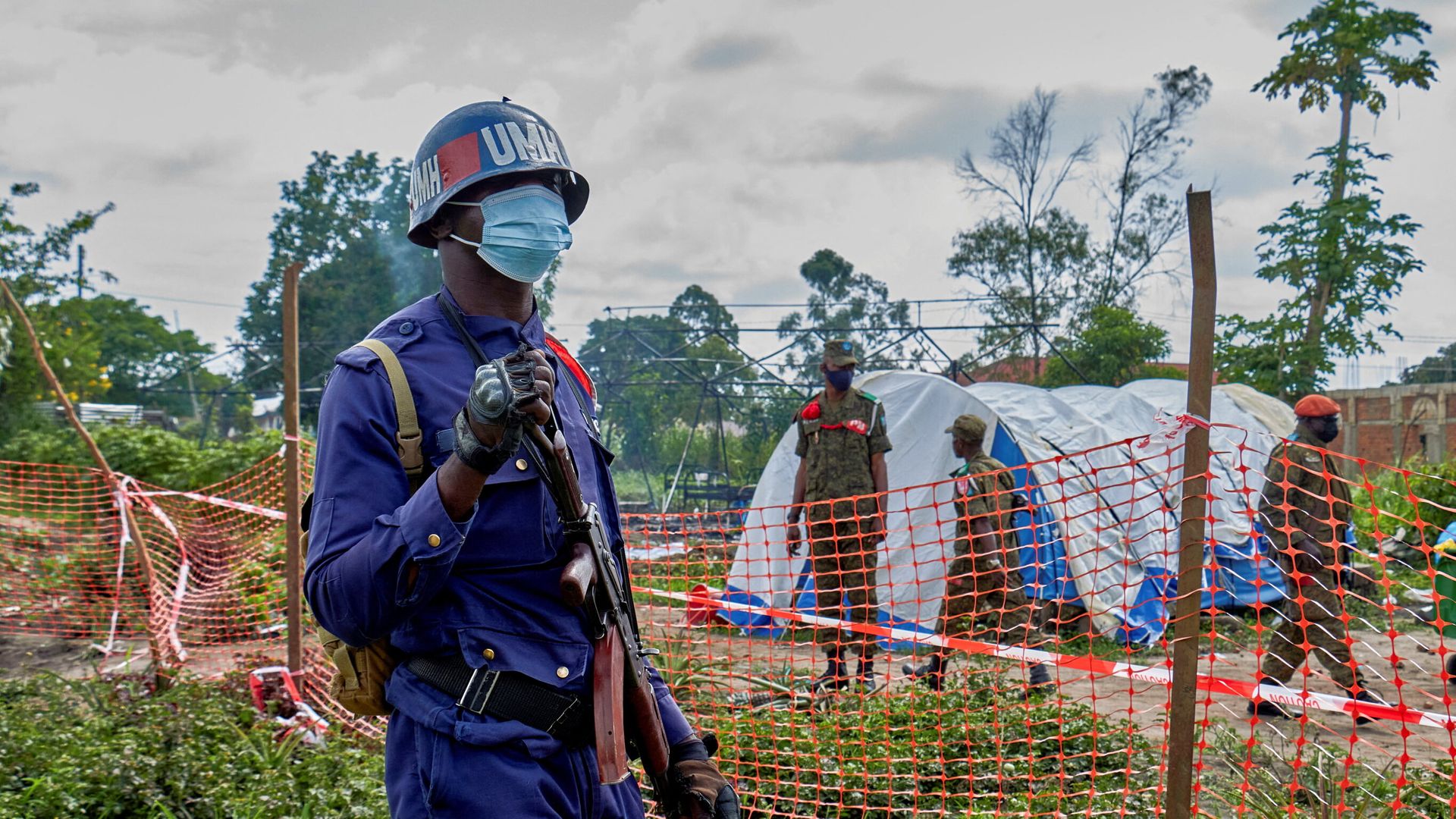
DR Congo Ebola Outbreak Becomes Fastest on Record With 3,262 Cases
The Democratic Republic of Congo's Ebola outbreak has become the fastest on record, reaching 3,262 confirmed and probable cases.
The Democratic Republic of Congo's (DRC) ongoing Ebola epidemic has officially become the fastest on record, with health officials reporting a cumulative total of 3,262 confirmed and probable cases. This grim milestone underscores the persistent and challenging nature of the outbreak, which has gripped the eastern regions of the country for over a year.
The current Ebola epidemic, which began in August 2018, has been characterized by its rapid spread and the difficulty in containing it, particularly in densely populated and conflict-affected areas. Health workers have faced immense challenges, including insecurity, mistrust within communities, and the logistical complexities of reaching remote populations.
Officials have emphasized that this figure represents a significant acceleration compared to previous Ebola outbreaks. The speed at which the virus has spread in the DRC highlights the severe public health crisis the nation is confronting. The high case count also poses a substantial burden on the country's already strained healthcare system.
The implications of this record-breaking outbreak are far-reaching. It necessitates sustained international support and a continued focus on effective response strategies. Experts warn that without intensified efforts in surveillance, contact tracing, vaccination, and community engagement, the epidemic could continue to spread, further destabilizing the region.
Previous Ebola outbreaks, while devastating, have not exhibited the same rate of transmission as the current one. The unique geographical and socio-political context of eastern DRC, including numerous armed groups and frequent population movements, has created an environment conducive to the virus's spread. This has complicated traditional containment measures.
Efforts to combat the outbreak have included the deployment of rapid response teams, the administration of experimental vaccines, and extensive public health campaigns aimed at educating communities about prevention and treatment. However, these efforts have been hampered by security concerns, which have repeatedly interrupted response activities and made it difficult for health workers to operate safely.
The World Health Organization (WHO) and other international health bodies have been instrumental in coordinating the global response, providing technical expertise, funding, and essential medical supplies. Despite these concerted efforts, the sheer scale and speed of the epidemic present an ongoing and formidable challenge.
Questions remain about the long-term impact of this outbreak on public health infrastructure, economic stability, and social cohesion in the affected regions. Continued vigilance, adaptation of response strategies, and sustained commitment from both national and international partners will be crucial in bringing this unprecedented epidemic to an end.
This article was written by AI based on publicly available news reporting. Original reporting by the linked source.