DRC Ebola Outbreak Claims 930 Lives, Becomes Record Epidemic
The Ebola outbreak in the Democratic Republic of Congo has now killed 930 people, marking the fastest-growing epidemic on record.
The Democratic Republic of Congo's health ministry has reported that the ongoing Ebola outbreak has now claimed 930 lives, making it the second-deadliest Ebola epidemic in history and the fastest-growing on record. The escalating death toll underscores the severity of the public health crisis gripping the nation.
This outbreak, which began in August 2018 in the North Kivu province, has spread rapidly, overwhelming local health infrastructure and posing significant challenges to containment efforts. The affected region is also experiencing ongoing conflict and displacement, complicating the response and increasing the risk of further transmission.
Officials have confirmed the latest figures, highlighting the persistent threat the virus poses. Efforts to control the spread include contact tracing, vaccination campaigns, and public awareness initiatives. However, these measures face significant hurdles due to security concerns and mistrust within some communities.
The rapid rise in cases and fatalities has drawn international concern, prompting increased support from global health organizations. The World Health Organization and other partners are working closely with Congolese authorities to bolster response capabilities, including providing medical supplies, personnel, and logistical support.
Historically, the 2014-2016 West Africa Ebola epidemic remains the deadliest, claiming over 11,300 lives. However, the current outbreak in the DRC is notable for its swift progression and the challenging environment in which it is unfolding. The concentration of cases in densely populated urban areas, alongside remote rural settings, presents a complex epidemiological landscape.
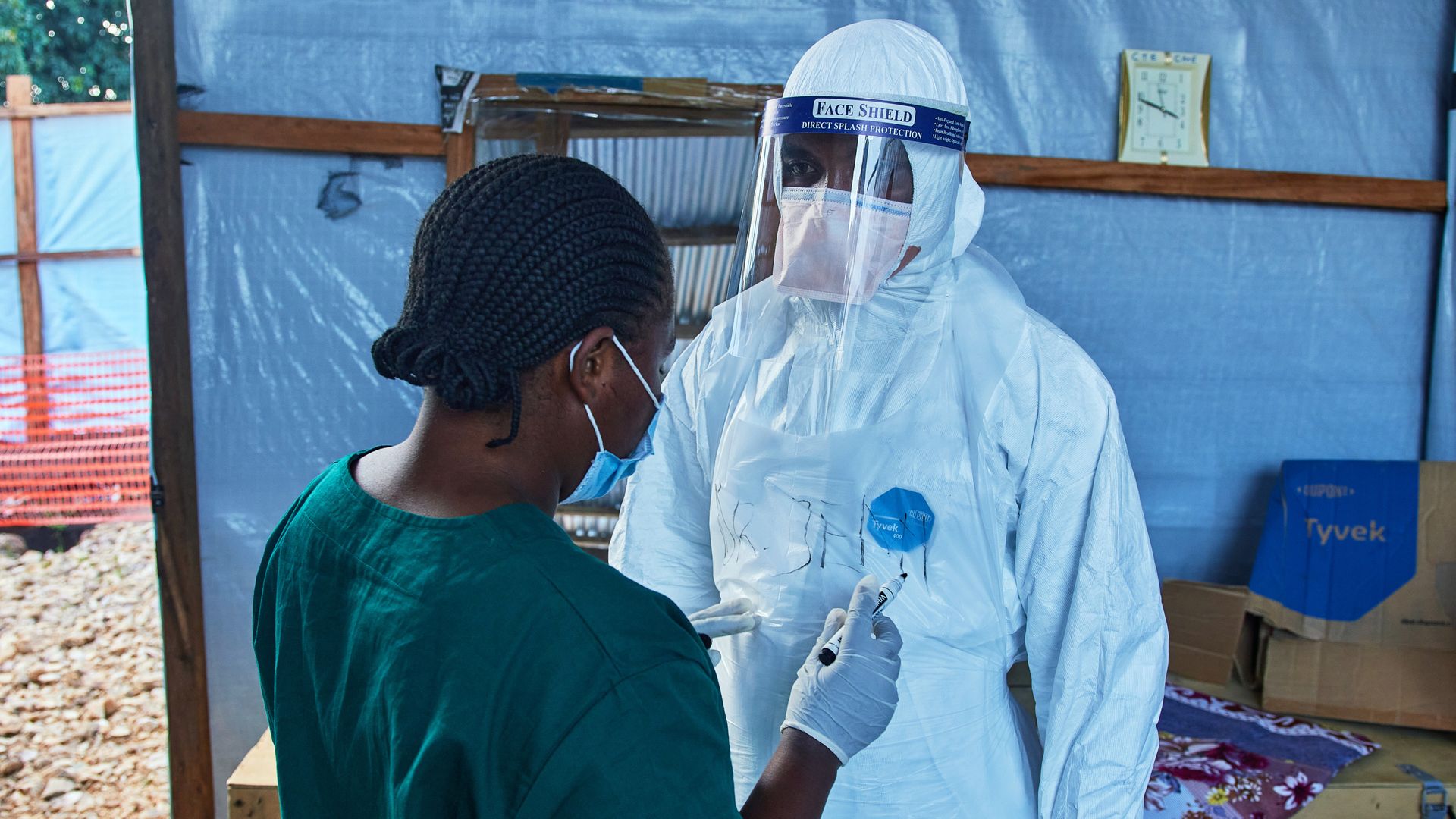
Health workers on the front lines are facing immense pressure, battling not only the virus but also the logistical and security challenges inherent in the region. The risk of the virus spreading to neighboring countries remains a significant concern for international health authorities.
Reaching affected populations with vital health services and accurate information is a constant challenge. The ongoing conflict in eastern DRC not only impedes access for health teams but also contributes to population movements that can facilitate the virus's spread. Addressing these underlying issues is crucial for long-term containment.
As the outbreak continues, questions remain about the sustainability of response efforts and the long-term impact on the affected communities and the region's health systems. Continued international cooperation and adaptation of response strategies will be vital in combating this persistent epidemic.
This article was written by AI based on publicly available news reporting. Original reporting by the linked source.