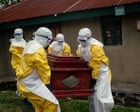
DRC Ebola Outbreak Surpasses 4,000 Cases Amid Mutation Fears
Ebola cases in DRC exceed 4,000, with officials investigating potential virus mutations and escalating response efforts.
Health officials in the Democratic Republic of the Congo (DRC) are concerned that the Ebola virus behind the massive ongoing outbreak may be mutating, as confirmed cases have now surpassed 4,000. The Africa Centres for Disease Control and Prevention (Africa CDC) announced an escalation of response measures, including plans for door-to-door searches for patients, signaling an end to incremental actions.
The outbreak, caused by the Bundibugyo strain of the virus, was officially reported on May 15, though suspicions exist that the disease may have been circulating since January. As of August 4, the DRC's national public health institute recorded 3,973 cases and 1,801 deaths. Dr. Jean Kaseya, director general of the Africa CDC, stated on Thursday that the total number of cases had exceeded 4,000, making this the second-largest Ebola outbreak on record.
Comparing this outbreak to the 2014-18 West Africa Ebola epidemic, Dr. Kaseya noted that the DRC outbreak currently has eight times more cases and six times more deaths than were recorded at the same point in the West Africa epidemic. This unprecedented severity has prompted discussions with the World Health Organization's Director-General, Dr. Tedros Adhanom Ghebreyesus, about conducting studies to investigate potential virus mutations or other complicating factors.
Indications of high levels of untracked transmission are evident, with more than two-thirds of Ebola deaths occurring within communities rather than in treatment centers. At a treatment facility run by Doctors Without Borders (MSF) in Bunia, the capital of Ituri province, 90% of admitted patients were not on the official contact tracing lists of known cases. This suggests that current contact tracing efforts are insufficient, identifying only about 10 contacts per Ebola patient.
Dr. Kaseya emphasized the need for a comprehensive, scaled-up response, stating that "the time for incremental action is over." The Africa CDC is working with the WHO and Congolese health authorities to intensify all aspects of the response, including community engagement, surveillance, and treatment.
The historical context of Ebola outbreaks underscores the importance of swift and effective containment. Previous large-scale outbreaks have demonstrated the devastating potential of the virus when transmission is not rapidly controlled. The current situation in the DRC highlights challenges in reaching remote communities and ensuring adequate healthcare infrastructure.
Stakeholder reactions have focused on the urgency of the situation. International health organizations are mobilizing resources and expertise to support the DRC's efforts. The focus remains on understanding the transmission dynamics, improving diagnostic capabilities, and ensuring the safety and efficacy of available treatments and vaccines.
Unresolved questions persist regarding the exact timeline of the virus's spread, the precise factors contributing to its severity, and the potential impact of any mutations. Continued surveillance, robust research, and sustained international cooperation will be critical in addressing this escalating public health crisis.
This article was written by AI based on publicly available news reporting. Original reporting by the linked source.