European Nations Threaten World Cup Boycott Over FIFA President Infantino's Sale Plans
European nations will boycott the World Cup if FIFA President Gianni Infantino proceeds with selling tournament rights to private investors.
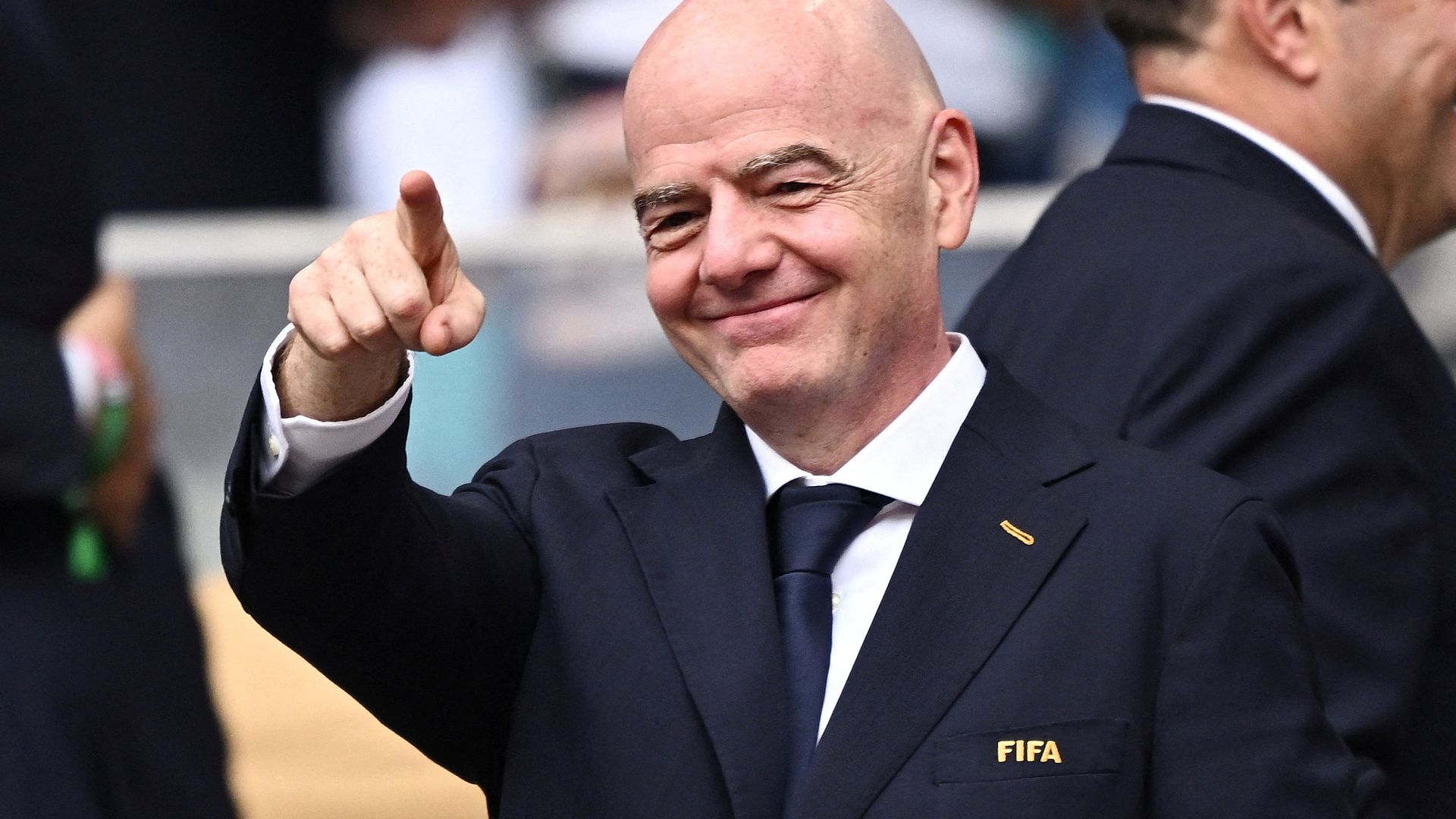
Gianni Infantino, the current FIFA president, is facing a significant challenge to his re-election bid as European nations have announced a potential boycott of the World Cup. This drastic measure is a direct response to reports that Infantino plans to sell off parts of the tournament's commercial rights to private investors. Sky News has learned of this developing situation, which could have profound implications for global football governance.
The potential sale of commercial rights is a contentious issue, raising concerns about the commercialization of football's most prestigious tournament. European football federations, which represent a significant bloc of FIFA's member associations, have voiced strong opposition. Their collective stance suggests a significant erosion of support for Infantino's leadership within a key region.
Sources indicate that the European nations' unified front is a clear signal to Infantino that his proposed sale is unacceptable. The threat of a World Cup boycott underscores the gravity of their concerns, which likely revolve around maintaining the integrity and accessibility of the tournament, as well as potential conflicts of interest.
This standoff could lead to a major crisis within FIFA, potentially jeopardizing the upcoming World Cup and casting a shadow over Infantino's presidency. The president's office has not yet issued a formal response to these reports or the boycott threat, leaving the future of the tournament and Infantino's leadership uncertain.
Infantino, who has been FIFA president since 2016, has previously overseen significant commercial deals and reforms within the organization. However, the proposed sale of tournament rights to private investors represents a departure from previous models and has clearly alarmed powerful football confederations.
The specific details of the proposed sale, including the extent of the rights being considered and the potential investors, remain unclear. This lack of transparency is likely fueling further apprehension among member nations who are demanding greater clarity and consultation.
Football analysts suggest that if a significant number of nations follow through on a boycott, it would severely damage the prestige and financial viability of the World Cup. Such an event would also likely trigger an internal review of FIFA's leadership and decision-making processes.
The coming weeks will be critical as football federations await a response from FIFA and potentially Infantino himself. The outcome of this confrontation will not only determine the fate of the World Cup but could also reshape the future direction of international football governance.
This article was written by AI based on publicly available news reporting. Original reporting by the linked source.