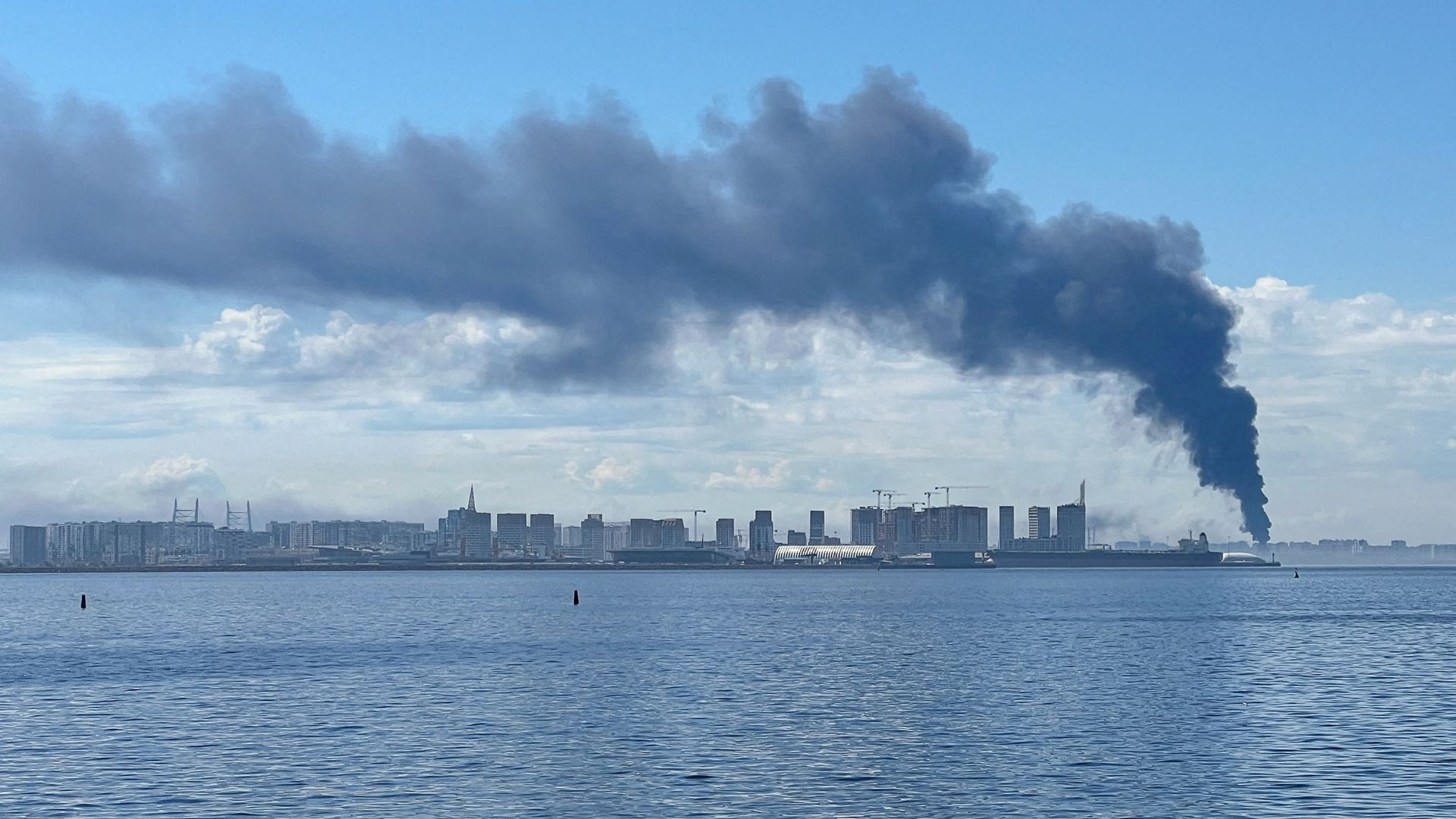
Ukraine Drones Strike St. Petersburg Oil Terminal and Port
Ukrainian drones targeted an oil terminal and port in St. Petersburg and its surrounding region, according to officials from both nations.
Ukrainian drones have successfully struck an oil terminal and port facilities in Russia's second-largest city, St. Petersburg, and the surrounding Leningrad Oblast. The attacks, confirmed by both Russian and Ukrainian officials, mark a significant escalation in Ukraine's efforts to disrupt Russian infrastructure far from the front lines.
St. Petersburg, a major industrial and logistical hub on the Baltic Sea, has historically been a less frequent target for Ukrainian strikes compared to regions closer to the conflict zone. The targeting of its port and oil terminal suggests a strategic shift by Ukraine to impact Russia's economic capabilities and energy exports.
Details regarding the extent of the damage and any casualties remain limited. Russian authorities reported that air defense systems were active and that some drones were intercepted. However, initial reports indicated that the strikes did reach their intended targets, causing disruptions at the port and terminal facilities. Ukrainian sources have hailed the operation as a success, emphasizing the drones' ability to penetrate Russian airspace.
The implications of this attack are far-reaching. It demonstrates Ukraine's growing capability to project force deeper into Russian territory, potentially raising concerns within Russia about the security of its critical infrastructure. The strikes could also lead to increased oil prices on the global market if Russian energy exports are significantly impacted.
This incident is part of a broader pattern of Ukrainian drone attacks targeting Russian territory, which have become more frequent and sophisticated in recent months. Previously, strikes have focused on border regions, military airfields, and energy infrastructure in western Russia. The move into St. Petersburg represents a significant geographical expansion of these operations.
Russian officials have condemned the attacks, vowing to respond and bolster defenses. The Ministry of Defense stated that its forces are working to protect key installations. However, the sheer scale of Russia's territory and the increasing ingenuity of Ukrainian drone technology present ongoing challenges for its air defense network.
Analysts suggest that Ukraine's strategy may be aimed at pressuring Russia economically and psychologically, forcing it to divert resources to internal security. The effectiveness of these long-range strikes in altering the overall course of the war remains a subject of debate, but their symbolic and disruptive power is undeniable.
Further details on the specific types of drones used, the precise damage sustained by the oil terminal and port, and any potential long-term effects on Russia's energy supply chain are expected to emerge in the coming days. The international community will be closely monitoring Russia's response and any potential retaliatory measures.
This article was written by AI based on publicly available news reporting. Original reporting by the linked source.