Trump Blames Canada for Wildfire Smoke Impacting US Air Quality
President Trump attributes the current US "invasion by filthy air" to Canada, warning of potential impacts on the World Cup final.
U.S. President Donald Trump has pointed fingers at Canada, blaming the neighboring country for the pervasive wildfire smoke that has significantly degraded air quality across the United States. The President described the situation as an "invasion by filthy air," expressing concern over the potential impact on various activities, including the upcoming World Cup final.
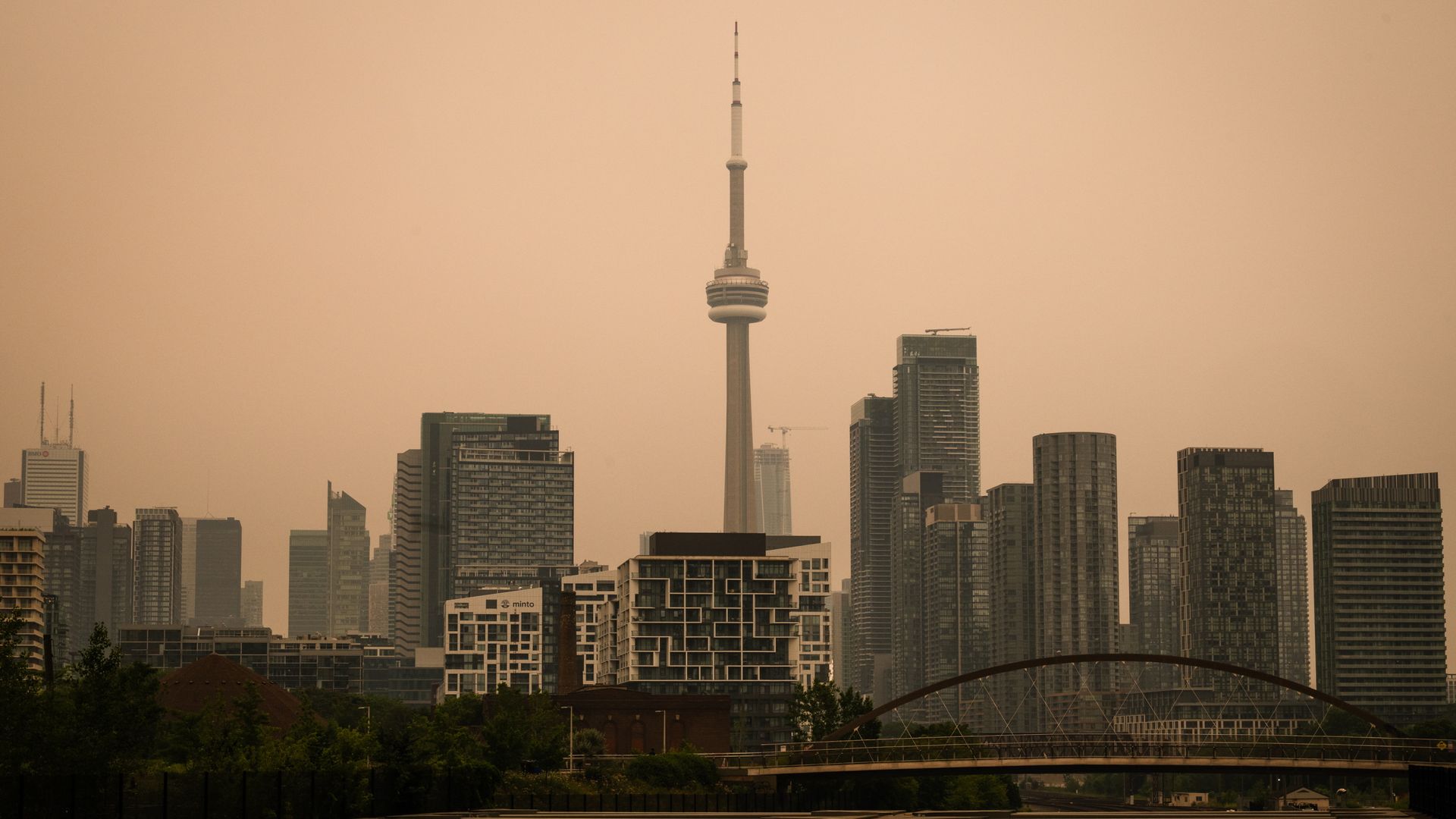
This accusation comes as large swathes of the U.S. have experienced unhealthy or hazardous air quality levels due to smoke plumes originating from Canadian wildfires. The smoke has created hazy skies, reduced visibility, and prompted air quality alerts in numerous cities, affecting millions of Americans.
President Trump's remarks, made via social media, directly linked the poor air quality to the ongoing wildfires in Canada. He emphasized the severity of the situation, characterizing the influx of smoke as a significant environmental and health concern for the nation. The potential disruption to major events like the World Cup final was highlighted as a point of particular worry.
The implications of this cross-border air pollution extend beyond immediate health advisories. The economic impact on outdoor activities, tourism, and public events could be substantial. Furthermore, the President's statement injects a political dimension into an environmental crisis, potentially affecting diplomatic relations and cooperative efforts to manage transboundary pollution.
Wildfires have become an increasingly severe issue in Canada in recent years, with seasonal fires often releasing vast amounts of smoke that travel long distances. Environmental experts have consistently warned about the growing intensity and frequency of these fires, often linked to climate change and prolonged periods of drought. The U.S. Environmental Protection Agency (EPA) typically issues air quality advisories based on the Air Quality Index (AQI), which measures the concentration of harmful pollutants.
While the U.S. has experienced significant smoke events from Canadian wildfires in the past, the scale and duration of the current event have drawn widespread attention. Health officials have advised vulnerable populations, including children, the elderly, and individuals with respiratory or heart conditions, to limit their time outdoors and take precautions. The phenomenon underscores the interconnectedness of environmental issues across national borders.
Reactions to President Trump's statement have varied. Environmental groups have often stressed the need for unified, science-based approaches to wildfire management and climate change mitigation. Public health organizations continue to focus on providing guidance to protect citizens from the immediate health risks associated with poor air quality. The administration's approach to the issue may influence future environmental policy and international cooperation on climate and pollution control.
Questions remain regarding the long-term strategies for managing transboundary air pollution and the extent to which international cooperation can effectively address the root causes of increasingly severe wildfire seasons. The current situation serves as a stark reminder of the global nature of environmental challenges and the need for coordinated solutions.
This article was written by AI based on publicly available news reporting. Original reporting by the linked source.