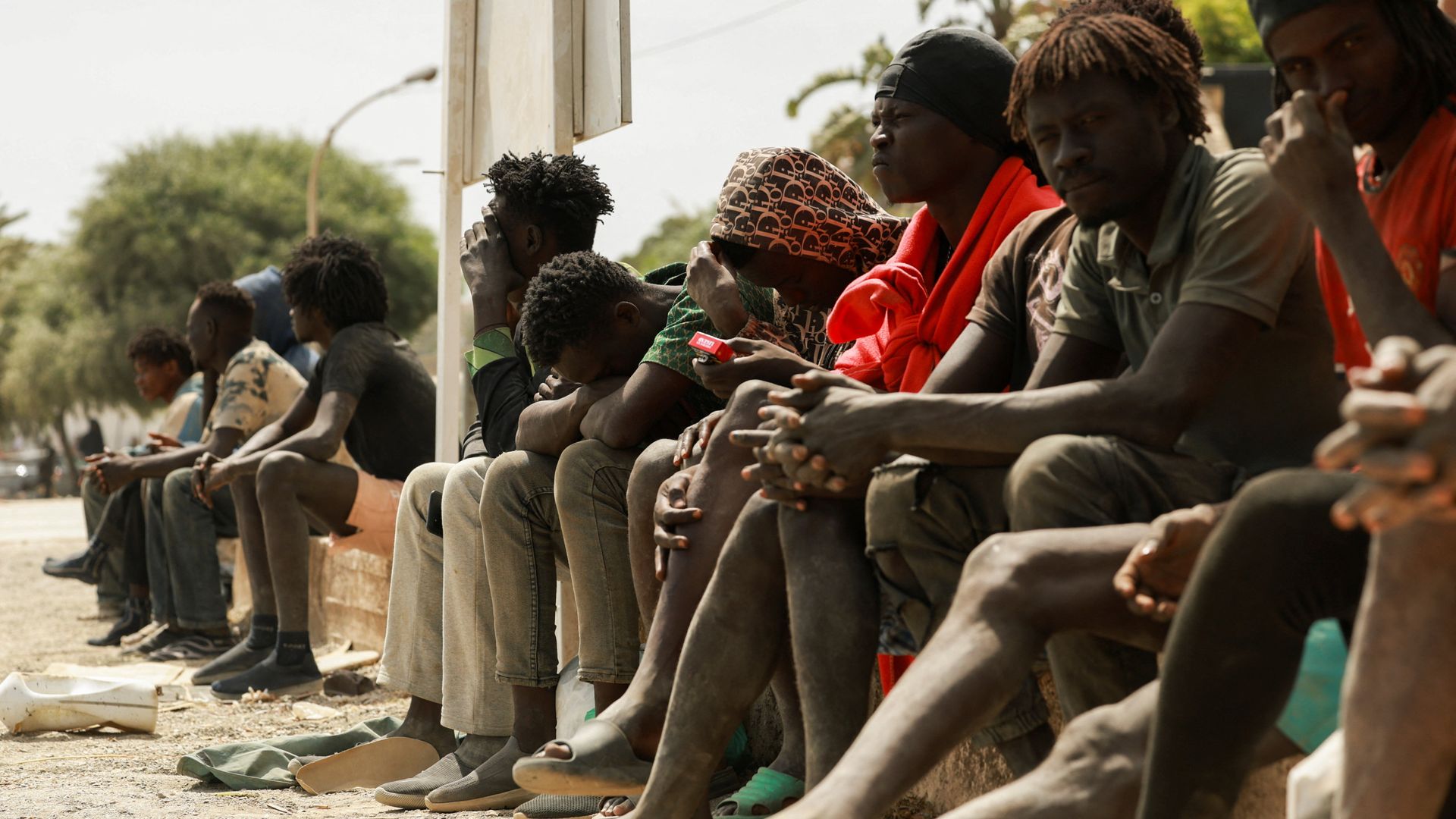
Thousands of Migrants Stranded in Ceuta After Deadly Moroccan Border Rush
Thousands of migrants remain in the Spanish enclave of Ceuta following a mass border crossing from Morocco last week, its president confirmed.
Thousands of migrants are currently in the Spanish North African enclave of Ceuta after a large-scale border incursion from Morocco last week, according to the city's president.
The situation in Ceuta has been tense since Monday, May 17, when an unprecedented number of individuals managed to cross the border into Spanish territory. This surge occurred after Moroccan border guards reportedly eased controls, leading to a chaotic and dangerous situation.
Reports indicate that at least 8,000 people, including a significant number of minors, entered Ceuta in a matter of days. The influx overwhelmed local authorities and humanitarian organizations. Tragically, at least one person is confirmed to have died during the crossing attempts, with many others treated for hypothermia and exhaustion.
The long-term implications for both Ceuta and Spain are significant, with questions arising about the management of migration flows, international relations with Morocco, and the humanitarian needs of the thousands now in the enclave. Spanish authorities have been working to process the arrivals and repatriate those who do not qualify for asylum.
Ceuta, along with the smaller Spanish enclave of Melilla, are the only land borders between the European Union and Africa. They are frequent destinations for migrants seeking to enter Europe. The sheer volume of arrivals last week, however, far surpassed previous events.
Spanish officials have stated their commitment to returning those who entered illegally to Morocco. However, the process is complex, involving identification and repatriation agreements. The presence of unaccompanied minors further complicates these efforts, as Spain has specific obligations to protect them.
Humanitarian groups on the ground have expressed concern over the living conditions of the migrants, many of whom are sleeping in the open or in overcrowded temporary facilities. They are calling for adequate shelter, food, water, and medical care.
The incident has also strained diplomatic relations between Spain and Morocco. While Morocco has since reinforced its border patrols, the events have highlighted the ongoing challenges of managing irregular migration and the complex geopolitical factors at play in the region.
This article was written by AI based on publicly available news reporting. Original reporting by the linked source.