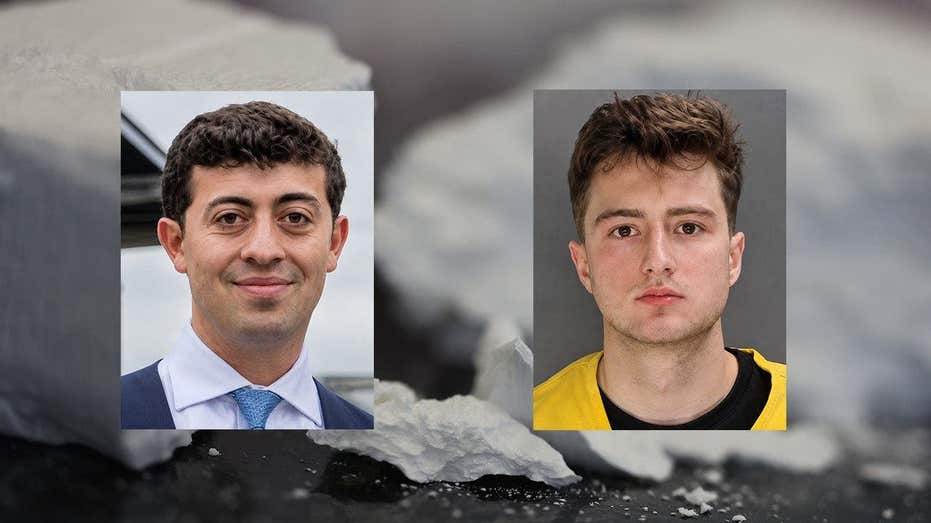
Penn State Cocaine Bust: 14 Arrested in Alleged Frat Coke-Cutting Ring
Penn State University is rocked by a cocaine bust leading to 14 arrests, exposing an alleged fraternity drug pipeline and 'indoctrination' rituals.
State College, Pennsylvania – A sweeping investigation into a cocaine trafficking ring operating around Penn State University has resulted in the arrest of 14 individuals, authorities announced Tuesday. The bust has exposed a sophisticated alleged drug pipeline allegedly involving fraternity members and a disturbing practice of "indoctrination" rituals.
The arrests are the culmination of a months-long investigation by the Pennsylvania State Police and the District Attorney’s office, targeting the distribution of cocaine within the university community and surrounding areas. Investigators revealed that the alleged ring was not only distributing drugs but also allegedly engaged in systematic processes to involve new members, particularly within fraternity settings.
According to law enforcement, the operation involved cutting cocaine with various substances before distribution. The term "indoctrination" was reportedly used by the suspects to describe their methods of initiating new members into the drug operation, suggesting a structured approach to expanding their network. Authorities seized a significant quantity of cocaine, along with other narcotics and evidence related to the alleged drug trafficking activities.
This extensive drug bust raises serious concerns about the prevalence of illegal substance distribution within college campuses and the potential exploitation of students. The involvement of fraternity organizations in such activities highlights a persistent challenge for university administrations and law enforcement in maintaining a safe and drug-free environment.
The investigation is ongoing, and authorities have not ruled out further arrests as they continue to unravel the full extent of the alleged drug operation. The focus remains on dismantling the entire network and preventing future drug-related activities from impacting the student population.
Officials have emphasized the collaborative efforts between different law enforcement agencies, which were crucial in gathering intelligence and executing the arrests. The investigation involved surveillance, controlled buys, and the analysis of digital communications, providing a comprehensive picture of the alleged criminal enterprise.
While the university has not yet released a formal statement regarding the specific fraternities or individuals involved, it is expected to address the situation and reinforce its policies against drug use and trafficking. The incident is likely to prompt renewed discussions about campus safety, Greek life oversight, and the support systems available to students struggling with substance abuse.
The charges filed against the 14 individuals range from drug trafficking and possession to conspiracy. The outcome of these legal proceedings will be closely watched as they could set precedents for how such cases are handled within the university context.
This article was written by AI based on publicly available news reporting. Original reporting by the linked source.