Netanyahu Rejects Trump's 15-Point Gaza Peace Plan
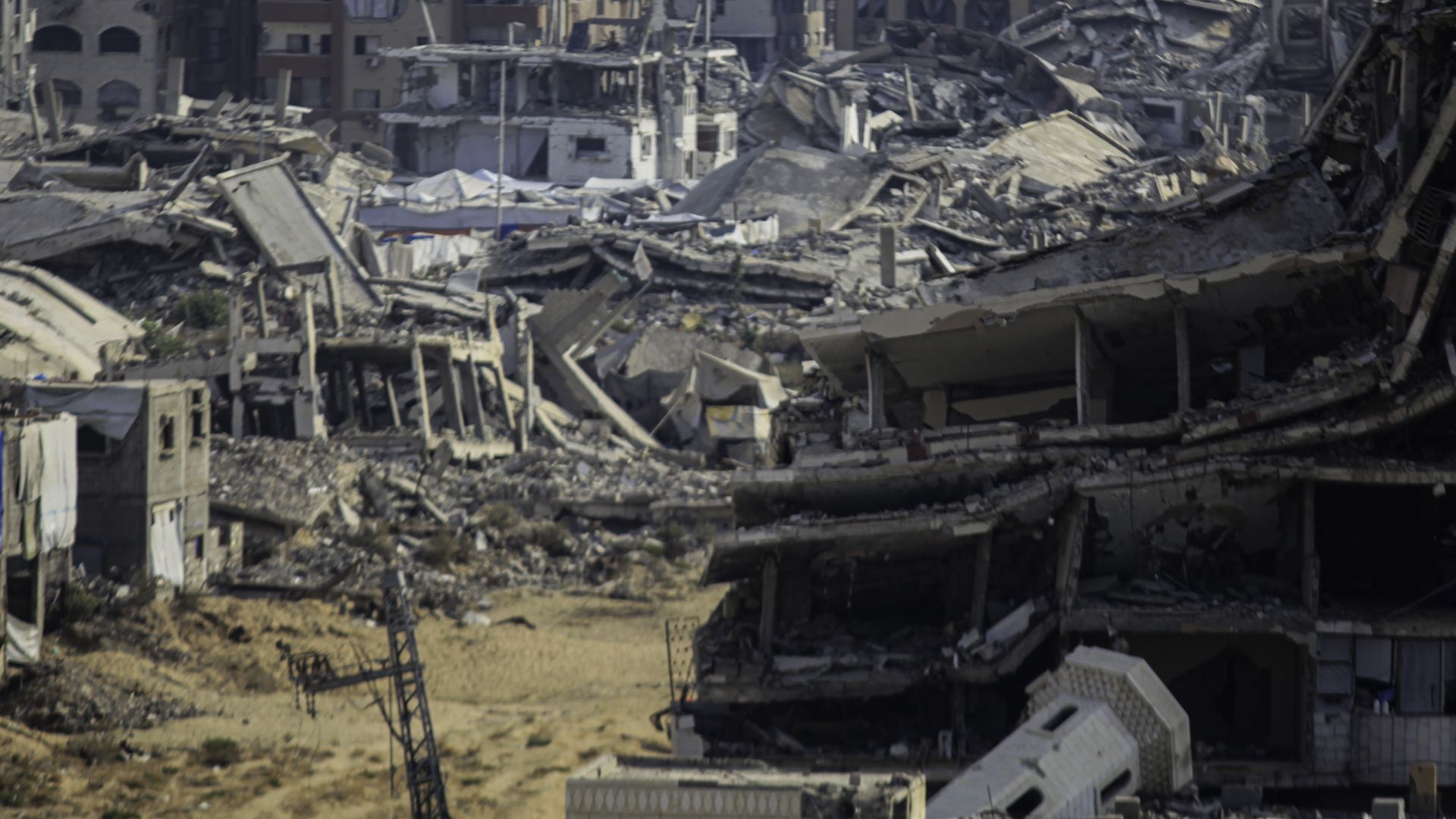
Israeli Prime Minister Benjamin Netanyahu has rejected a 15-point proposal for Gaza presented by Donald Trump's Board of Peace.
Israeli Prime Minister Benjamin Netanyahu announced on [Date, if available, otherwise omit] that he has rejected a 15-point plan for the Gaza Strip proposed by Donald Trump's Board of Peace. The decision signals a divergence between the Israeli leadership and a former U.S. president who has previously played a significant role in Middle East diplomacy.
The "Board of Peace," an initiative associated with former President Donald Trump, put forward the proposal aiming to outline a path forward for Gaza. Details of the specific points within the plan have not been publicly disclosed, but its rejection by Netanyahu indicates it does not align with current Israeli government policy or objectives regarding the territory.
Sources close to the Israeli Prime Minister's office indicated that the plan was reviewed but ultimately deemed unsuitable. While specific reasons for the rejection were not detailed, it is understood that the Israeli government has its own strategic considerations and red lines concerning the future governance and security of Gaza following recent conflicts.
This rejection raises questions about the potential for external diplomatic initiatives to influence Israeli policy on Gaza. The Trump administration was known for its assertive approach to peace negotiations, including the "Abraham Accords." However, this latest proposal appears to have failed to gain traction with the current Israeli government.
Past diplomatic efforts concerning Gaza have often focused on issues such as security arrangements, humanitarian aid, and the potential for a two-state solution or alternative governance models. The specifics of Trump's Board of Peace plan would offer insight into its proposed approach to these complex challenges.
Netanyahu's government has consistently emphasized Israel's security needs and has expressed skepticism about the viability of certain diplomatic frameworks. The rejection of the Trump-backed plan underscores the challenges inherent in finding a universally accepted strategy for the region.
It remains unclear whether the "Board of Peace" will revise its proposal or if other international actors will present alternative plans. The situation in Gaza continues to be a major focus of international concern, with ongoing debates about long-term solutions.
Further details regarding the specific content of the 15-point plan and the precise reasons for its dismissal by Prime Minister Netanyahu are awaited. The incident highlights the complex and often fragmented nature of international efforts to resolve the Israeli-Palestinian conflict.
This article was written by AI based on publicly available news reporting. Original reporting by the linked source.