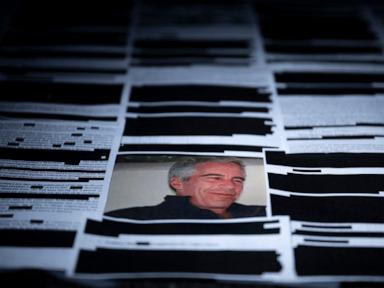
Judge Orders DOJ to Release Unredacted Epstein Files, Citing Transparency Act Violation
A federal judge ordered the DOJ to unredact Epstein files or explain why, siding with a journalist who sued over withheld materials.
A federal judge has ordered the Department of Justice to provide unredacted versions of certain documents related to the late convicted sex offender Jeffrey Epstein, or to provide justifications for their continued redaction. U.S. District Judge Emmet Sullivan ruled in favor of an independent journalist who had sued to obtain the materials, determining that the Trump administration likely contravened the Epstein Files Transparency Act.
The Department of Justice faces a July 2 deadline to either release the documents with fewer redactions, including identifying senders and recipients of emails and names of co-conspirators from a draft indictment, or to explain why these redactions must remain. Judge Sullivan also mandated that the DOJ publish a log detailing all redactions made to the files.
Among the documents subject to this order are underlying notes from an FBI interview with a woman who previously accused President Donald Trump of assault. While the DOJ has released interview reports, the specific notes remain withheld. The ruling also requires the administration to disclose the sender and recipients of emails that discuss the recruitment of young women.
One email, sent to Epstein in 2015, referenced the age of girls, stating, "The key are the 14 to 15 year old girls--i am a sexual pervert because i say they are now of a reproductive age?" Another email from 2017, also sent to Epstein, said, "My heart goes out to you brother ... being called a sexual pervert is no fun. She is like Lolita from Nabokov , femme miniature :) So now I should send you her type of candidates only."
Judge Sullivan rejected the DOJ's arguments against disclosure, concluding that the Public Integrity Project, a public interest law firm representing the journalist, demonstrated that independent journalist Katie Phang experienced harm due to the withholding of these materials. The court found that Ms. Phang met the criteria for harm, specifically a lack of transparency that Congress intended to prevent through the disclosure requirements.
The Public Integrity Project stated that this ruling is a significant step toward ensuring public transparency regarding Jeffrey Epstein and his network. The organization noted that the government had ignored a law passed by Congress and subsequently refused to defend its actions in court.
This development follows previous releases of Epstein-related documents, which have generated significant public interest and legal challenges. Ghislaine Maxwell, who was convicted in connection with Epstein's sex trafficking operation, has previously challenged her conviction in light of these releases.
The order to unredact specific Epstein files underscores the ongoing scrutiny of the handling of information related to the late financier and his associates. The case highlights the tension between government secrecy and the public's right to information, particularly concerning high-profile investigations.
This article was written by AI based on publicly available news reporting. Original reporting by the linked source.