Europe Faces Energy Crisis as Record Drought Hits Danube River
Record low water levels on the Danube River threaten Europe's energy supply, prompting emergency measures in Romania.
European nations are confronting a potential energy emergency as the Danube River, a vital waterway for shipping and power generation, has plunged to record-low levels due to persistent heatwaves and drought.
The critical situation is exacerbated by the Danube's role in transporting coal to power plants and its use in hydroelectric power generation. The dwindling water levels threaten to disrupt these essential functions, potentially leading to energy shortages across the continent.
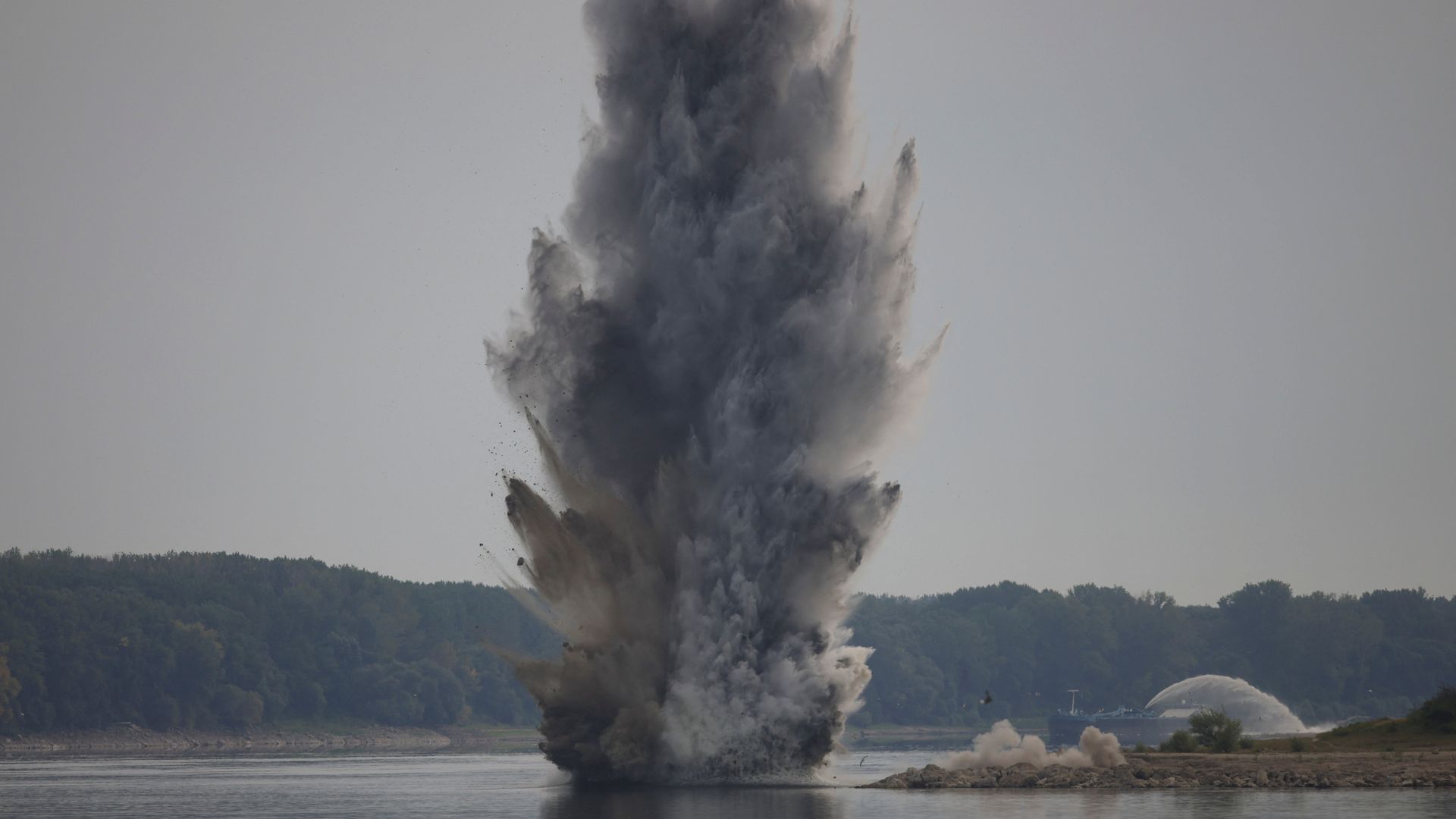
In Romania, authorities have resorted to underwater detonations to clear debris and improve water flow in sections of the Danube. These drastic measures underscore the severity of the drought and the urgent need to maintain navigability and energy production capabilities.
The implications of the low water levels extend beyond energy production. The Danube is a major artery for barge traffic, and disruptions could significantly impact trade and supply chains for goods, including essential fuels.
This crisis is a stark reminder of the interconnectedness of climate, water resources, and energy infrastructure. The prolonged heatwaves, which have gripped Europe for weeks, have severely depleted rivers and reservoirs, impacting everything from agriculture to industrial cooling.
Experts warn that such extreme weather events are becoming more frequent and intense due to climate change, posing a growing threat to critical infrastructure. The Danube's low levels are not an isolated incident, with many other European rivers, including the Rhine, also experiencing significant reductions in water volume.
Power producers are closely monitoring the situation, exploring contingency plans to mitigate potential power generation shortfalls. The reliance on hydroelectric power, while a cleaner energy source, highlights the vulnerability of energy systems to climatic conditions.
As the drought shows no immediate signs of abating, European governments and energy providers face the challenge of securing energy supplies and managing the downstream economic consequences of disrupted river transport.
This article was written by AI based on publicly available news reporting. Original reporting by the linked source.