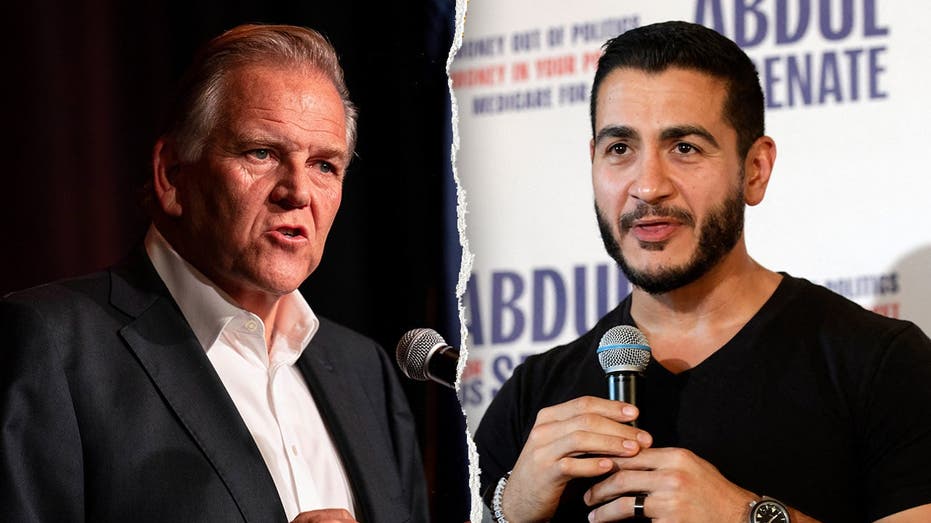
Democrats Back Rogers Over El-Sayed in Michigan Primary, Coalition Forms
A coalition of Democrats who claim to have never voted Republican is supporting Mike Rogers over El-Sayed in a close Michigan race.
A notable segment of Democratic voters in Michigan are reportedly backing Republican candidate Mike Rogers over his Democratic opponent, Abdul El-Sayed, in a closely contested race. This surprising alignment has led to the formation of a "Democrats for Mike Rogers" coalition, signaling a potential shift in traditional party loyalties.
The development underscores the complex and often unpredictable nature of political endorsements and voter behavior, particularly in swing states like Michigan. The coalition's stated reason for supporting Rogers centers on specific policy concerns and a perceived alignment with his platform, despite his Republican affiliation.
Supporters within the "Democrats for Mike Rogers" group have expressed that their decision is based on Rogers's stance on issues they deem critical, although specific policy details driving this cross-party support were not extensively detailed in the source material. The coalition aims to mobilize voters who might otherwise abstain or vote for El-Sayed, highlighting a strategic effort to influence the election's outcome.
This unusual endorsement could have significant implications for the broader political landscape in Michigan, potentially influencing future electoral strategies and voter mobilization efforts. It also raises questions about the traditional markers of party identity and the evolving priorities of voters.
The formation of such a coalition is a rare occurrence in American politics, typically seen in highly polarized environments where specific issues or candidate qualities transcend party lines. The group's activities and their impact on voter turnout and El-Sayed's campaign will be closely watched as the election approaches.
Further analysis of the coalition's membership and their specific policy grievances could provide deeper insight into the underlying factors driving this bipartisan support. Understanding the demographic and ideological makeup of these "Democrats for Mike Rogers" will be key to assessing the long-term significance of this endorsement.
While the source material indicates a segment of Democrats are backing Rogers, the exact numbers and the extent of their influence on the overall election remain to be seen. The campaign's response to this development and El-Sayed's efforts to counter this trend will also be critical factors.
Ultimately, the "Democrats for Mike Rogers" coalition represents a compelling case study in voter realignment and the potential for issue-based politics to override traditional party affiliations in key electoral contests.
This article was written by AI based on publicly available news reporting. Original reporting by the linked source.