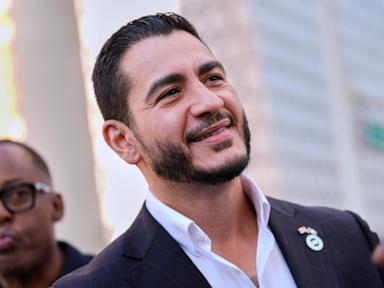
El-Sayed Wins Michigan Senate Primary, Faces Rogers in High-Stakes Race
Abdul El-Sayed secured the Democratic nomination for Michigan's Senate seat, defeating Haley Stevens and setting up a key November contest.
Progressive Dr. Abdul El-Sayed is projected to win the Michigan Senate Democratic primary, defeating moderate Rep. Haley Stevens, the Associated Press announced Wednesday. Stevens conceded the race to El-Sayed, according to a campaign spokesperson, concluding a hard-fought contest that will send El-Sayed to face former Republican Rep. Mike Rogers in the November general election.
The race for the open seat, being vacated by retiring Democratic Sen. Gary Peters, is considered pivotal and could determine which party controls the Senate in the next Congress. The outcome of this contest is seen as crucial for both parties' aspirations to hold a majority in the upper chamber.
Following her concession, Stevens offered her support to El-Sayed and called for party unity. She acknowledged the primary process as a way to explore the range of views within the Democratic Party. Stevens emphasized the importance of keeping the Senate seat "blue" and united in flipping the U.S. Senate, framing the general election as a choice between her party's agenda and that of Donald Trump and Mike Rogers.
The implications of El-Sayed's victory extend beyond Michigan, as his nomination intensifies the national battle for Senate control. His progressive platform will now be tested against Rogers's, with national implications for policy debates and party control in Washington.
In other Michigan races, Democratic Secretary of State Jocelyn Benson and Republican Rep. John James are projected to win their respective gubernatorial primaries and will face each other in November. This matchup could lead to the election of the state's first Black Republican governor, should James prevail. Meanwhile, in the 7th Congressional District, progressive activist William Lawrence is projected to win the Democratic nomination, setting up a "Toss Up" contest against incumbent Republican Rep. Tom Barrett. The 13th Congressional District saw incumbent Rep. Shri Thanedar lose his primary to state legislator Donovan McKinney, marking another instance of a progressive challenger unseating a Democratic incumbent.
Michigan was one of five states holding primary elections on Tuesday, with other significant contests unfolding elsewhere. In Missouri's 1st Congressional District, incumbent Rep. Wesley Bell is projected to defeat former Rep. Cori Bush in the Democratic primary. Bell's victory was reportedly aided by substantial spending from pro-Israel groups, including the United Democracy Project, which had also opposed Bush in previous elections.
The broader context of these primaries reveals a dynamic political landscape, with progressive candidates making notable gains in several districts. The outcomes suggest a continued push for more left-leaning policies within the Democratic Party, even as moderate wings of the party vie for influence and electoral success.
As the general election approaches, attention will focus on El-Sayed's campaign strategy to unite the party and appeal to a broader electorate in Michigan, and on how the national political climate will influence the outcome of this critical Senate race.
This article was written by AI based on publicly available news reporting. Original reporting by the linked source.