44 Dead After Overcrowded Ferry Capsizes on Zimbabwe's Lake Kariba
At least 44 people died when an overcrowded ferry carrying 153 passengers capsized on Zimbabwe's Lake Kariba amid large waves.
At least 44 people have died after an overcrowded ferry capsized on Lake Kariba in Zimbabwe, police confirmed on Wednesday. The vessel was carrying significantly more passengers than its stated capacity, exacerbating the tragedy on the world's largest human-made lake.
Lake Kariba, a vast reservoir created in the 1950s by damming the Zambezi River, is a vital waterway for transport and fishing, connecting communities across Zimbabwe and Zambia. However, its size and often unpredictable weather patterns can pose significant risks to maritime travel, especially for smaller or overloaded vessels.
Authorities reported that the ferry had a capacity for 90 people but was carrying 114 adult passengers, five crew members, and an unknown number of children, according to ticket sales. A crew member speaking to the national broadcaster ZBC stated that 153 people were on board when the boat overturned on Tuesday after encountering large waves. The ferry had departed from the lakeshore town of Kariba, heading towards islands and fishing camps.
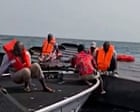
A specialized underwater team has been deployed to assist in the ongoing search and rescue operations. The Civil Protection Unit (CPU) initially reported 15 deaths and 27 missing persons before police updated the death toll multiple times on Wednesday afternoon, eventually confirming 44 fatalities. Videos shared on social media showed individuals clinging to the capsized ferry while rescue boats and a helicopter were engaged in the operation.
The incident highlights ongoing concerns about maritime safety in the region, particularly regarding the enforcement of passenger limits and the seaworthiness of vessels operating on the lake. Lake Kariba's creation displaced tens of thousands of people, and it remains a critical, albeit sometimes perilous, link for many communities.
Eyewitness accounts described the lake as "angry" shortly before the ferry overturned, indicating a rapid deterioration of weather conditions. The speed at which the situation escalated, with the boat taking on water approximately 30 minutes after departure, underscores the suddenness of the disaster.
Officials are continuing to search for any remaining missing individuals, though the confirmed death toll of 44 suggests a grim outcome for many on board. The exact number of children on the ferry remains unconfirmed, adding further uncertainty to the total number of people affected by the tragedy.
This event serves as a stark reminder of the potential dangers associated with overloaded passenger vessels and the importance of stringent safety regulations and enforcement on major waterways like Lake Kariba.
This article was written by AI based on publicly available news reporting. Original reporting by the linked source.