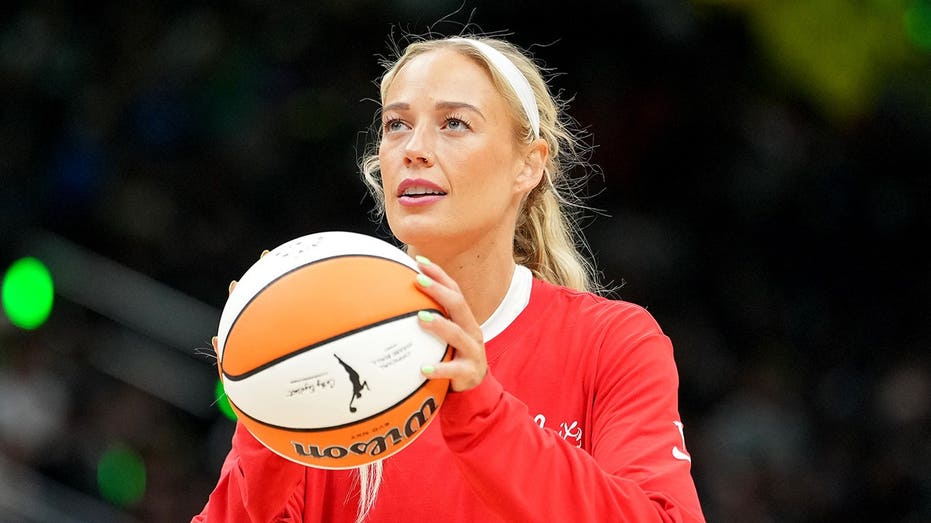
WNBA's Sophie Cunningham Speaks Out, Sparking Debate on Women's Sports.
WNBA player Sophie Cunningham spoke out against perceived unfairness, highlighting a broader discussion about women's voices in sports.
WNBA player Sophie Cunningham has recently voiced her opinions, aligning with a broader societal message for women to speak up when they encounter unfairness. This action, however, has brought to the forefront a complex conversation about the boundaries and reception of women's voices, particularly within the realm of women's sports.
The context for Cunningham's statement appears to stem from a perceived injustice, prompting her to use her platform to express her views. This mirrors a long-standing encouragement for women to be vocal about their experiences and concerns, aiming to foster equality and address issues that may otherwise be overlooked.
Details surrounding the specific incident that prompted Cunningham's statement remain a point of discussion, but her willingness to speak out has resonated with many who advocate for greater transparency and accountability in sports. The reaction to her comments has been varied, with some praising her courage and others questioning the timing or nature of her public remarks.
This event carries implications for how athletes, especially female athletes, are expected to engage with public discourse. It raises questions about whether the call for women to "speak up" extends to all topics, or if certain subjects, like those pertaining to women's sports themselves, are met with different expectations or scrutiny.
The broader societal narrative has, for decades, encouraged women to find their voice and assert themselves. This has been a cornerstone of feminist movements and discussions around gender equality, pushing for women to not only participate but also to influence and shape their environments. However, the reception of these voices can often be nuanced, with societal expectations sometimes creating unspoken limitations.
In sports, this dynamic is particularly visible. While female athletes are increasingly encouraged to be role models and advocates, the scrutiny they face when expressing opinions can be intense. This scrutiny can extend to the very definition of what constitutes a "woman" and how that impacts athletic categories, a debate that has been amplified in recent discussions surrounding transgender athletes.
The WNBA, like many professional sports leagues, is navigating these complex issues. League officials and players are engaging in dialogue that touches upon athlete advocacy, public perception, and the evolving landscape of gender in sports. The goal, for many, is to create an environment where all athletes feel empowered to speak their truth without fear of disproportionate backlash.
As discussions continue, the case of Sophie Cunningham serves as a contemporary example of the ongoing tension between encouraging women's voices and the societal readiness to fully embrace them across all platforms and topics. The outcome of these conversations could shape future interactions between athletes, the media, and the public, particularly concerning issues of fairness and representation in professional sports.
This article was written by AI based on publicly available news reporting. Original reporting by the linked source.