Wildfires Rage Across 1 Million Acres, Forcing Thousands to Evacuate
Thousands evacuated as wildfires consume over a million acres, blanketing nearby cities with smoke.
Thousands of residents have been ordered to evacuate their homes as wildfires continue to spread, consuming more than a million acres of wilderness. The blazes have intensified in recent days, forcing large-scale evacuations across affected regions and raising concerns about air quality in nearby urban centers.
The sheer scale of the fires, measured by the vast acreage consumed, underscores the severity of the ongoing wildfire season. Officials are attributing the rapid spread to a combination of dry conditions, high winds, and potentially increased lightning strikes, creating a volatile environment for fire containment.
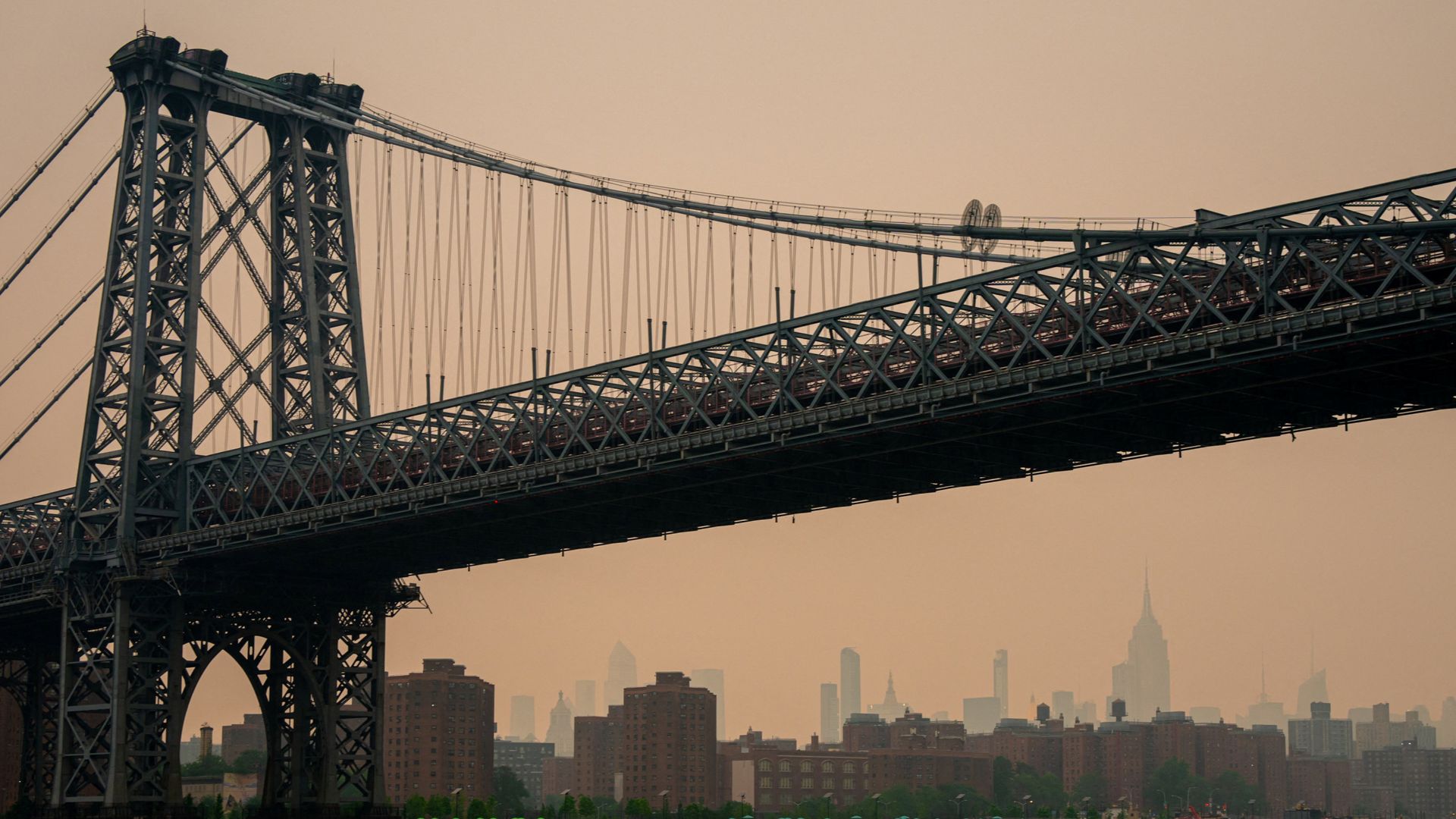
Emergency services are working tirelessly to combat the infernos and assist residents in relocating to safer areas. The immediate focus remains on protecting lives and property, with resources being mobilized to support evacuation efforts and provide shelter for displaced individuals and families. The smoke plumes generated by the fires have become a significant concern, leading to hazardous air conditions.
The long-term implications of these extensive wildfires are considerable. Beyond the immediate threat to communities and ecosystems, the fires contribute to significant air pollution, impacting public health and visibility over large geographical areas. The loss of natural habitats and the potential for soil erosion are also critical environmental consequences.
Authorities have implemented various strategies to manage the crisis, including deploying additional firefighting crews and aircraft. However, the challenging terrain and unpredictable weather patterns are presenting significant obstacles to containment efforts. The economic impact, including damage to infrastructure and potential disruptions to local industries, is also a growing concern.
Residents in affected areas have described scenes of distress and uncertainty as they are forced to leave their homes with little notice. Many are grappling with the immediate aftermath of displacement while anxiously monitoring the progress of the fires and the safety of their communities. The visual impact of the smoke darkening the skies over major cities has become a stark reminder of the fires' reach.
Experts in wildfire management have noted that the current conditions are indicative of broader climate trends, which may lead to more frequent and intense wildfire seasons in the future. This raises questions about the adequacy of current preparedness and response strategies and the need for long-term solutions to mitigate wildfire risks.
As the situation continues to evolve, authorities are urging the public to stay informed about evacuation orders and air quality advisories. The full extent of the damage and the timeline for recovery remain uncertain, with ongoing efforts focused on controlling the remaining active fire fronts and assessing the impact on affected landscapes and communities.
This article was written by AI based on publicly available news reporting. Original reporting by the linked source.