Venezuela Quakes Claim Over 4,300 Lives
Over 4,300 people confirmed dead following devastating back-to-back earthquakes in Venezuela last month.
The death toll from the powerful back-to-back earthquakes that struck Venezuela last month has surpassed 4,300 confirmed fatalities, according to the latest official figures.
The seismic events, which occurred in rapid succession, have left a trail of destruction across several regions, overwhelming emergency response capabilities and highlighting the country's vulnerability to natural disasters.
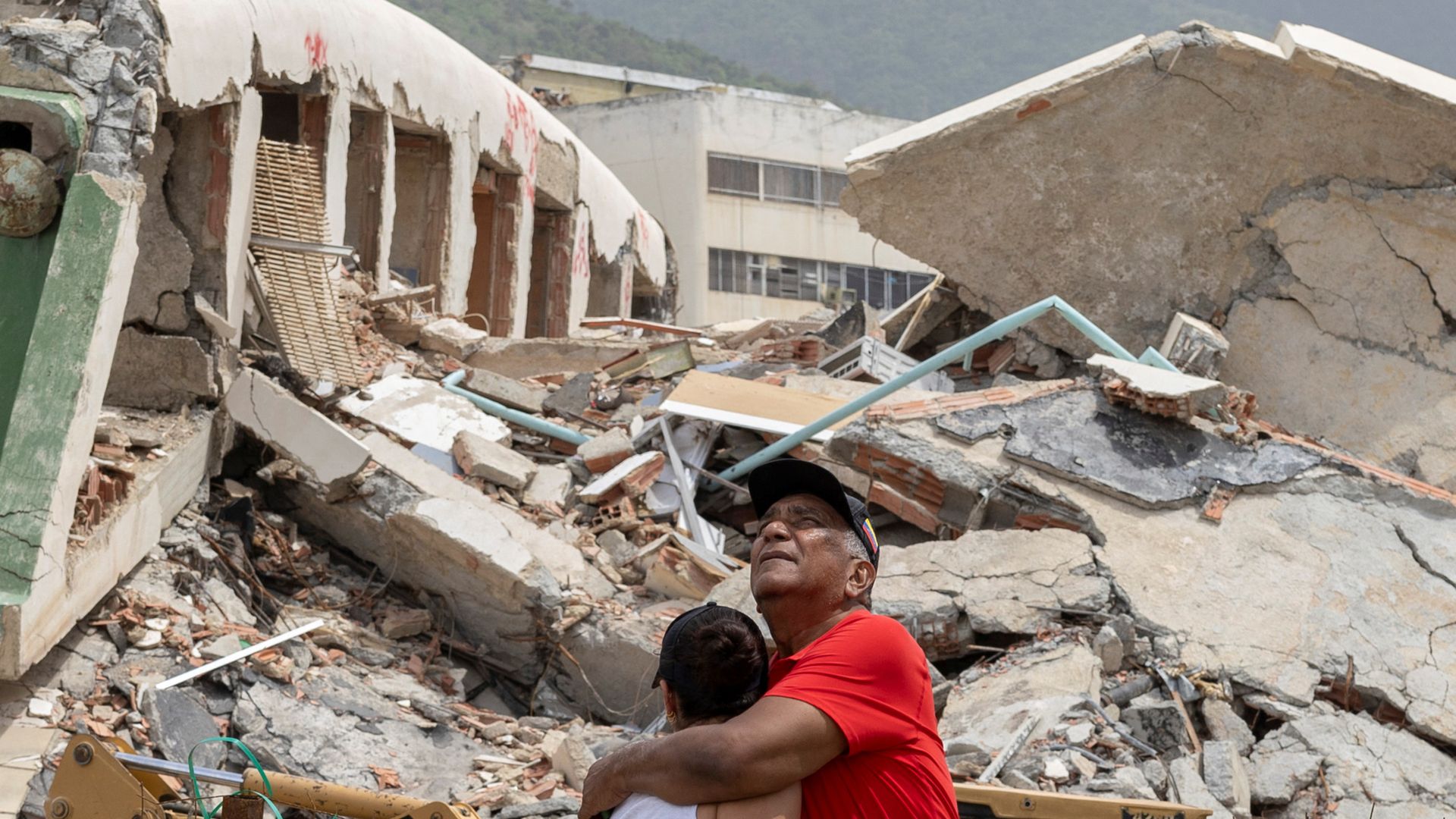
Officials have been working to confirm the total number of casualties, with the figure continuing to rise as search and rescue operations progress and the full extent of the devastation becomes clearer. The earthquakes caused widespread structural damage to buildings, infrastructure, and homes, displacing thousands of residents.
The long-term implications of the earthquakes are significant, potentially impacting Venezuela's already strained economy and requiring substantial reconstruction efforts. International aid and support are likely to be crucial in the recovery process.
Initial reports indicated that the initial quake was followed by powerful aftershocks, exacerbating the damage and hindering rescue attempts. Many areas experienced collapsed buildings, creating dangerous conditions for survivors and first responders.
Government agencies and humanitarian organizations have been mobilized to provide immediate relief, including shelter, food, and medical assistance to those affected. However, the scale of the disaster presents a considerable challenge for the nation's resources.
Further analysis of the seismic activity is underway to understand the specific geological factors that contributed to the intensity and impact of the earthquakes. Experts are also assessing the long-term risks of seismic activity in the affected regions.
Questions remain regarding the full scope of the humanitarian crisis, the availability of resources for recovery, and the timeline for rebuilding affected communities. The full human cost of the disaster is still being tallied.
This article was written by AI based on publicly available news reporting. Original reporting by the linked source.