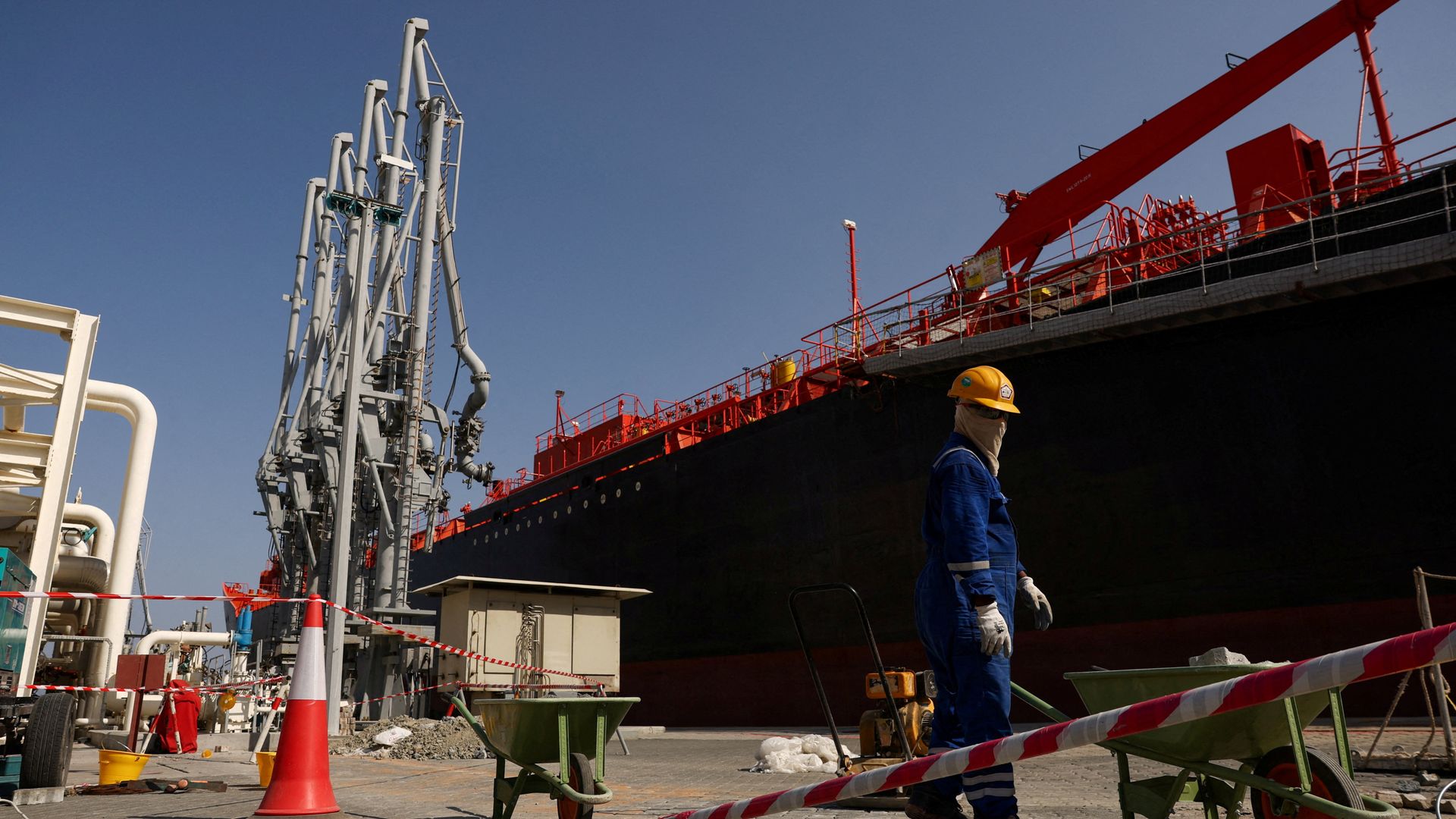
Global Energy Costs Surge as US-Iran Tensions Reignite
Global energy prices have climbed sharply due to renewed fears of conflict between the United States and Iran, impacting stock markets.
Global energy prices have experienced a significant surge, driven by escalating fears of a prolonged resumption of hostilities between the United States and Iran. This geopolitical tension has sent shockwaves through international markets, leading to a sharp decline in stock values.
The heightened anxieties stem from recent developments that have fractured a period of relative calm between the two nations. The implications are far-reaching, particularly for the global energy supply, as the Middle East remains a critical hub for oil and gas production and transit routes.
Analysts point to the potential disruption of oil shipments from the Persian Gulf as a primary concern, which could lead to further price volatility. The market's reaction has been swift, with investors bracing for potential supply shortages and increased shipping costs. While specific incidents were not detailed in the source material, the overall sentiment points to a significant deterioration in US-Iran relations.
The immediate aftermath has seen a noticeable uptick in crude oil prices and a broader downturn in equity markets worldwide. This suggests that businesses and consumers alike may soon face the consequences of increased energy expenditures, potentially dampening economic growth.
Historically, periods of heightened tension in the Persian Gulf have often correlated with spikes in oil prices. The region's strategic importance in global energy markets means that any instability there can have a disproportionate impact on supply and demand dynamics.
Market participants are closely monitoring diplomatic efforts and military postures to gauge the potential duration and severity of the renewed conflict. The interconnectedness of the global economy means that instability in one key region can quickly ripple outwards, affecting inflation rates and consumer confidence.
Further price increases could put pressure on central banks to reconsider monetary policy, potentially impacting interest rates and investment strategies. The full extent of the economic fallout will depend on how the geopolitical situation evolves in the coming weeks and months.
Uncertainty remains a dominant factor, with the long-term impact on global energy security and economic stability yet to be determined. The situation underscores the delicate balance of international relations and its profound influence on the global economy.
This article was written by AI based on publicly available news reporting. Original reporting by the linked source.