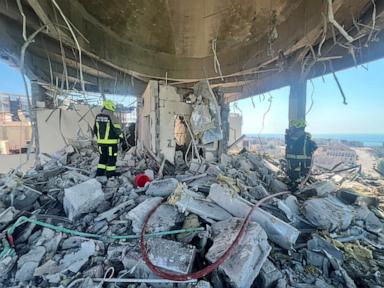
US, Iran Agree to Halt Strikes, Reopen Strait of Hormuz
The US and Iran have agreed to cease attacks and restore free passage through the Strait of Hormuz, according to a US official.
The United States and Iran have reached an agreement to halt ongoing strikes and ensure free passage for vessels through the critical Strait of Hormuz, a U.S. official announced on Sunday.
This de-escalation follows a period of heightened tensions and direct confrontations, including Iranian aerial attacks on Kuwait and Bahrain, which U.S. officials stated were largely unsuccessful.
The agreement was reportedly solidified during negotiations held last weekend in Switzerland, where delegations from both nations met to discuss a war-ending deal. Technical discussions are expected to continue on various aspects of a previously signed memorandum of understanding, though specific timelines were not provided.
The accord to cease hostilities and reopen the vital shipping lane is a significant development, potentially easing global concerns over energy supply disruptions and regional stability.
Earlier on Sunday, U.S. officials confirmed that all drones and missiles launched by Iran towards Kuwait and Bahrain were intercepted or failed to reach their targets. These attacks followed major U.S.-led combat operations against Iran announced on February 28, which targeted military, government, and infrastructure sites. Despite these escalations, U.S. officials maintained that diplomatic channels remained open, with technical talks on implementing the memorandum of understanding still planned.
In parallel, Israeli forces conducted strikes in southern Lebanon, targeting what Prime Minister Benjamin Netanyahu described as Hezbollah's underground terror infrastructure. The Israeli Defense Forces destroyed a tunnel reportedly over 200 meters long and 25 meters deep, containing weapons and launch sites aimed at Israel. Israel had informed the United States of these planned operations in advance.
Iran had previously claimed sole responsibility for restoring shipping traffic in the Strait of Hormuz, following the recent aerial attacks. The U.S. official's statement directly contradicts this, indicating a mutual agreement to cease hostilities and allow unrestricted movement.
While the agreement marks a potential turning point, the full scope and implementation details of the memorandum of understanding remain to be seen. The continuation of technical talks will be crucial in determining the long-term implications for regional security and international maritime trade.
This article was written by AI based on publicly available news reporting. Original reporting by the linked source.