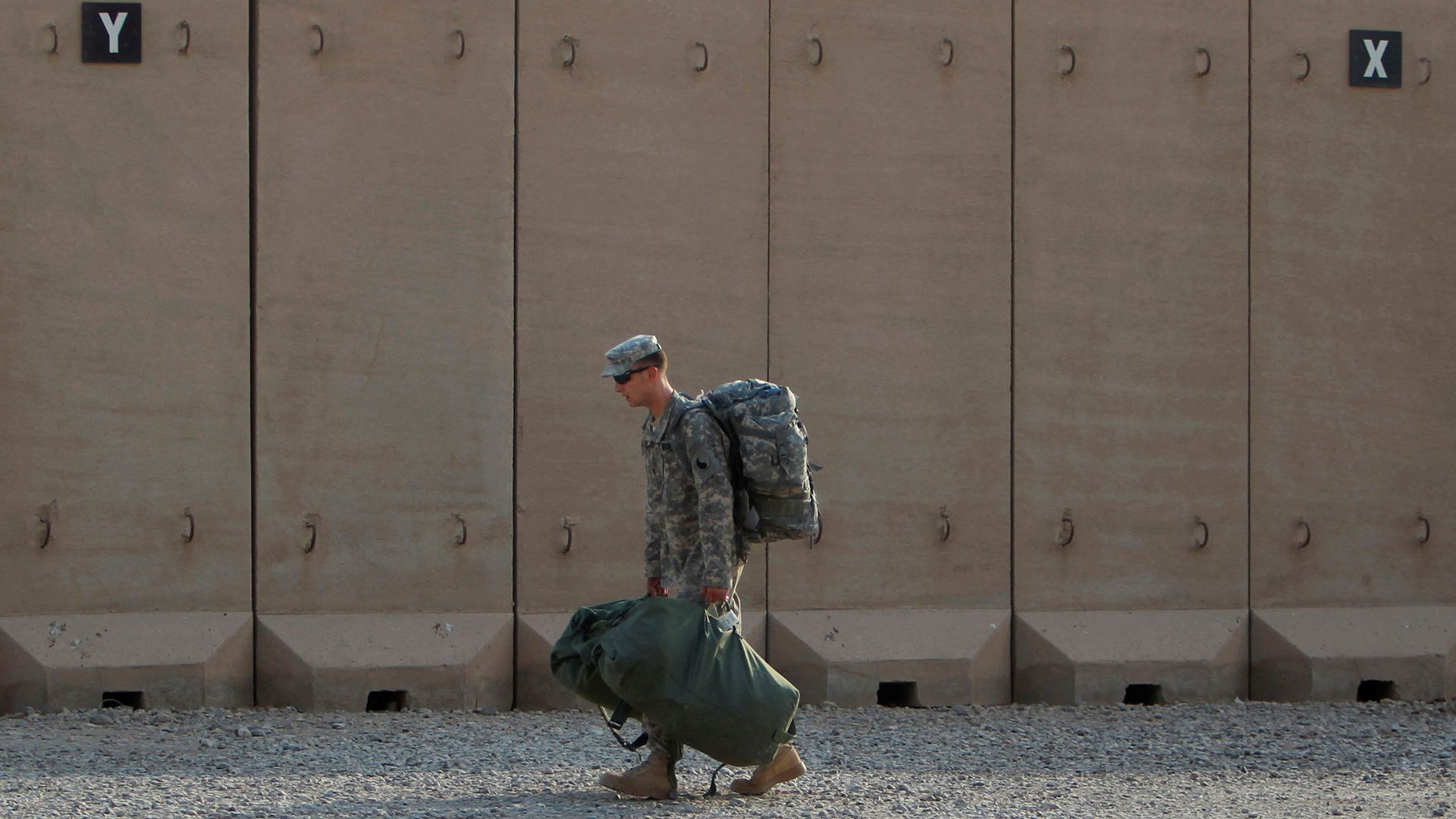
US Troops Exit Iraq, Leaving Security Vacuum Amid Iran Concerns
US forces are withdrawing from their final bases in Iraq after a 20-year military presence, raising concerns about regional stability.
United States forces are preparing to withdraw from their last remaining bases in Iraq, marking the end of a more than two-decade military presence in the country where thousands of American service members lost their lives. The withdrawal signals a significant shift in U.S. policy and leaves a complex security landscape.
The departure comes after years of counter-terrorism operations and a prolonged period of U.S. military engagement in Iraq. The decision to leave the final installations underscores a broader drawdown of American forces in the Middle East, though the specific timeline and final conditions of the exit remain subjects of discussion.
U.S. officials have indicated that the withdrawal is part of a strategic realignment, aiming to redeploy resources to other global priorities. While the precise number of troops remaining at these final bases was not disclosed, their departure signifies a complete end to the U.S. military footprint on Iraqi soil.
The move has sparked considerable debate, with security analysts and some Iraqi officials expressing concerns that the vacuum left by U.S. forces could be exploited by Iran and its allied militias. These groups have exerted considerable influence in Iraq, and their potential to expand their reach following a U.S. withdrawal is a significant point of contention.
Past U.S. military engagements in Iraq, which began in 2003, resulted in the deaths of approximately 4,500 American service members and left a lasting impact on the region. The current withdrawal is framed by proponents as a necessary step towards ending costly foreign interventions, while critics warn of potential destabilization and a resurgence of extremist groups.
Regional powers, including Iran, are closely monitoring the situation. The extent to which Iran might increase its support for proxy forces or exert political influence over Iraq's security apparatus is a key concern for neighboring countries and international observers. The Iraqi government faces the challenge of maintaining internal security and sovereignty without direct U.S. military support.
Discussions between U.S. and Iraqi officials have reportedly focused on the modalities of the withdrawal and the ongoing role of non-combat support, such as training and intelligence sharing. However, the complete cessation of U.S. military presence on bases marks a definitive end to a significant chapter of military engagement.
Questions remain about the long-term implications for Iraq's security forces, the fight against remaining extremist threats, and the broader geopolitical balance in the Middle East. The effectiveness of Iraqi-led security initiatives in the absence of U.S. forces will be a critical factor in determining the country's future stability.
This article was written by AI based on publicly available news reporting. Original reporting by the linked source.