US Economy Grows Amid Inflation Concerns Days Before Midterms
The US economy shows growth but faces high inflation, with consumer sentiment near historic lows ahead of midterm elections.
The United States economy continues to expand, with growth projected at an annualized rate of 3.4%, even as inflation remains a significant concern for consumers just days before the midterm elections. Most major economic data has been released, providing voters with official figures as they prepare to cast their ballots on November 3rd.
The nation's economic performance is a central issue in the upcoming elections, with polls indicating it as a top concern for Americans. Many are struggling with the rising cost of living, leading to widespread frustration. The latest University of Michigan survey reveals consumer sentiment at the second-lowest level in its 74-year history.
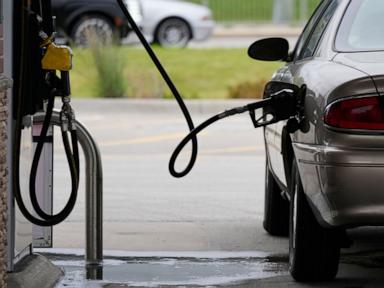
Recent polls also show a majority of Americans finding nearly every household purchase category unaffordable. Gasoline, in particular, is a major pain point, with 71% deeming it unaffordable, a sharp increase from February. The average price for a gallon of regular unleaded gasoline has risen to $4.22, up $1.19 from a year ago, while diesel averages $6.33, a $2.65 per gallon increase year-over-year, according to AAA.
Despite these pressures, employers are still adding jobs, although the pace of hiring has moderated. The economy's continued growth is partly attributed to a boost from artificial intelligence advancements, which have helped offset disruptions from the ongoing war in Iran.
Inflation, currently running at an annual rate of 3.7% in September, exceeds the Federal Reserve's target of 2% by more than a full percentage point. This rise in prices has outpaced wage growth since April, diminishing the purchasing power of American workers. Consumers anticipate further inflation in the coming year, according to the University of Michigan survey.
President Donald Trump has highlighted the economy's "unbelievable growth," characterizing it as the "biggest growth in the history of our country." While acknowledging the increase in oil prices, he stated that the war with Iran was necessary to prevent the nation from acquiring nuclear weapons and expressed preparedness for higher oil costs.
The economic landscape presents a mixed picture for voters. While headline growth figures suggest a resilient economy, the tangible impact of inflation on household budgets and consumer sentiment creates a challenging environment. The interplay between these factors is expected to heavily influence voter turnout and election outcomes.
Unresolved questions remain regarding the long-term impact of sustained inflation on consumer behavior and the overall trajectory of economic growth. The administration's response to inflationary pressures and its management of international conflicts will continue to be closely watched as the nation navigates these complex economic conditions.
This article was written by AI based on publicly available news reporting. Original reporting by the linked source.