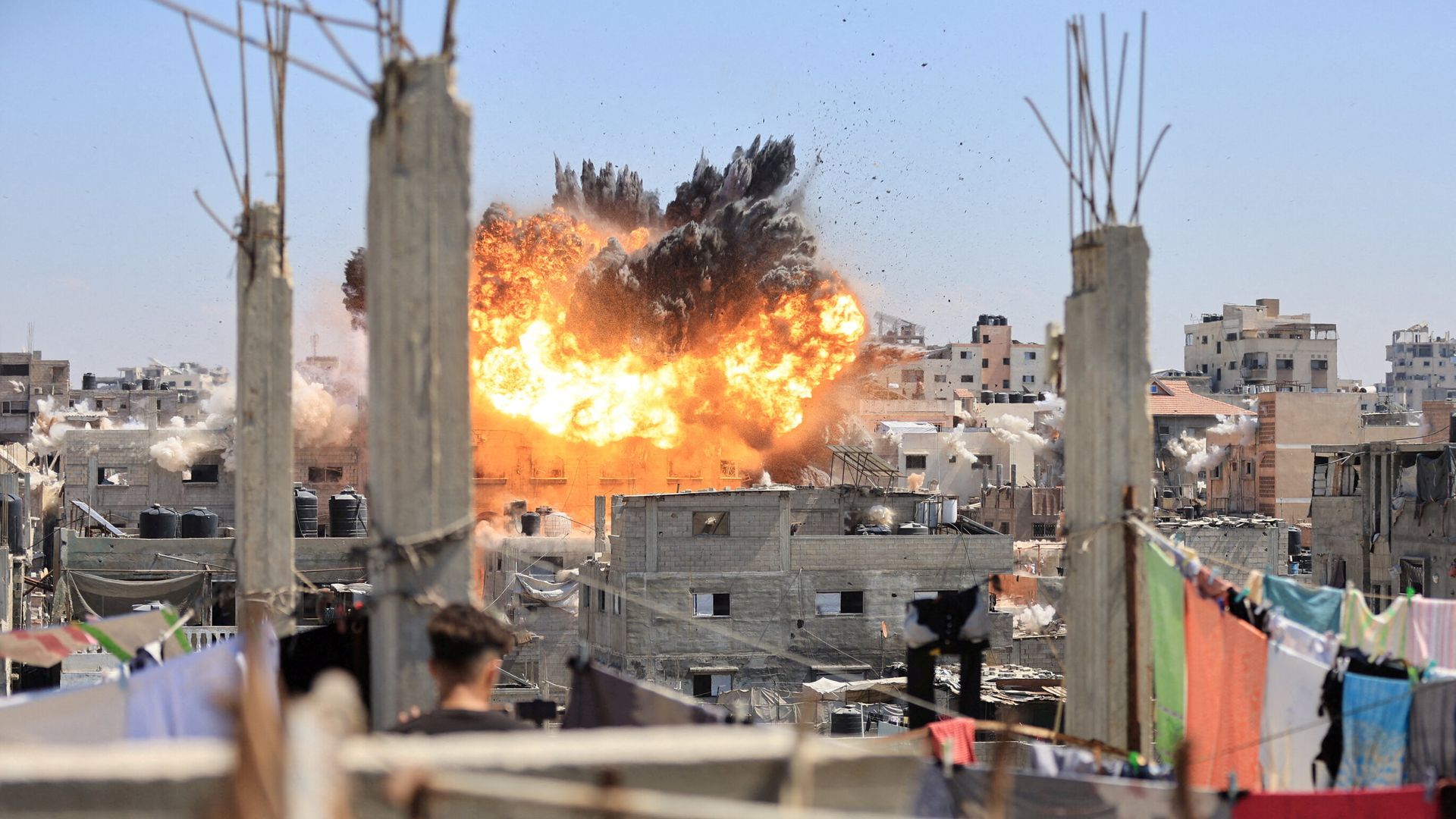
UN Commission Claims Israel Continues Genocide in Gaza Post-Ceasefire
A UN commission alleges Israel has committed ongoing genocide in Gaza, continuing even after last October's ceasefire.
A United Nations commission has asserted that Israel has continued to commit genocide in the Gaza Strip, even after a ceasefire was enacted in October. The claim, detailed in a new report, suggests that alleged genocidal acts have persisted despite international calls for de-escalation and adherence to ceasefires.
The commission's findings are based on its mandate to investigate alleged violations of international law. The report focuses on the period following the October ceasefire, a time intended to bring a halt to hostilities and allow for humanitarian aid. The assertion of ongoing genocide implies a grave breach of international legal obligations and humanitarian principles.
Details within the report, which have not been fully disclosed, are understood to include evidence and testimonies gathered by the commission. These elements reportedly support the conclusion that actions undertaken by Israel in Gaza since the ceasefire constitute genocide. The commission's assessment is a significant development, potentially drawing international scrutiny and renewed calls for accountability.
This allegation carries substantial implications for international relations, legal proceedings, and humanitarian efforts in the region. If substantiated, it could lead to further diplomatic pressure on Israel, calls for international intervention, and potentially legal challenges at international courts. The report is expected to be a focal point for discussions at the UN and among member states.
The concept of genocide, as defined by international law, involves specific intent to destroy, in whole or in part, a national, ethnic, racial, or religious group. Allegations of genocide are among the most serious charges in international law, carrying immense legal and moral weight. The UN commission's report will likely face rigorous examination and debate.
Previous reports from UN bodies and human rights organizations have documented extensive destruction, civilian casualties, and a dire humanitarian crisis in Gaza. These ongoing concerns have fueled international debate about the conduct of the conflict and adherence to international humanitarian law by all parties involved.
Reactions to the report are anticipated to be strong and divided. Supporters of the commission's findings will likely view it as a crucial step towards justice and accountability for alleged atrocities. Conversely, Israeli officials and their allies are expected to strongly dispute the characterization of their actions as genocide, likely pointing to self-defense and the complexities of urban warfare.
The report raises critical questions about the effectiveness of international mechanisms in preventing and addressing alleged genocidal acts and the future of diplomatic efforts to resolve the long-standing Israeli-Palestinian conflict. The international community will be watching closely as the implications of this report unfold.
This article was written by AI based on publicly available news reporting. Original reporting by the linked source.