UK MoD Cancels Kenya Army Training Over Prosecution Jurisdiction Dispute
Britain's military training in Kenya halted as Kenya demands greater power to prosecute British soldiers for offenses.
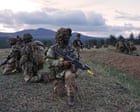
The British Ministry of Defence (MoD) has cancelled scheduled army training exercises in Kenya following a dispute with the Kenyan government over legal jurisdiction and financial agreements. The planned September exercise involving the 1st Battalion the Duke of Lancaster’s Regiment has been called off, with the MoD stating the necessary licenses for training in Laikipia were not granted.
The cancellation stems from Kenya's refusal to ratify a renewed bilateral defence agreement, with Kenyan lawmakers seeking enhanced powers to hold British soldiers accountable for any criminal offenses committed within the country. The core of the disagreement reportedly centers on which cases Kenya will retain primary jurisdiction over, a point of contention that has prevented the agreement's renewal.
In addition to jurisdiction, the financial contribution Britain makes to Kenya for hosting the training camp has also emerged as a significant sticking point. The chair of the Kenyan national assembly’s defence committee, Nelson Koech, acknowledged that both governments are actively engaged in discussions to resolve these outstanding issues.
The MoD confirmed the cancellation, expressing regret that the required licenses were not provided. A spokesperson emphasized the UK's high regard for its relationship with Kenya, describing the defence partnership as a cornerstone of their cooperation that enhances the safety of both nations. The training will now proceed at an alternative location outside of Kenya.
Kenya stands to benefit economically from the presence of British troops and the training facilities at the British Army Training Unit Kenya (BATUK), located near Nanyuki. The base also serves as a venue for training Kenyan armed forces, highlighting the mutual benefits derived from the partnership.
This dispute underscores the complexities of international military cooperation, where sovereign rights and legal frameworks must be carefully balanced. The Kenyan government's stance reflects a desire to assert greater control over activities within its borders, particularly concerning potential criminal conduct by foreign military personnel.
The exact financial figures in dispute and the specific legal clauses causing contention have not been fully detailed. However, the impasse has led to the immediate disruption of established training protocols, necessitating a shift in operational planning for the British army.
Officials from both governments are reportedly in communication to find a resolution. The outcome of these negotiations will determine the future of joint military exercises and the broader defence relationship between the United Kingdom and Kenya.
This article was written by AI based on publicly available news reporting. Original reporting by the linked source.