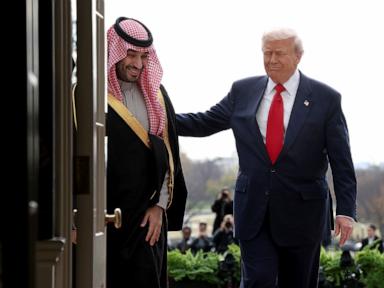
Trump ties Saudi nuclear deal to Israel normalization, sparking proliferation fears
A new US-Saudi nuclear deal allows uranium enrichment talks, but Trump links approval to Israel ties, concerning experts.
The United States and Saudi Arabia this week finalized a nuclear energy deal that could permit uranium enrichment on Saudi soil, a development that has raised alarms among nuclear proliferation experts due to potentially expanded oversight requirements. The agreement, signed by both governments, opens the door to enrichment without explicit international safeguards, according to U.S. officials.
This new accord arrives as President Donald Trump seeks to build upon diplomatic achievements from his first administration. However, details emerging about the deal suggest that Saudi Arabia's future nuclear enrichment capabilities might be directly tied to its willingness to normalize relations with Israel.
On Thursday, President Trump publicly stated that the nuclear energy deal with Saudi Arabia would be approved, but contingent upon Riyadh joining the Abraham Accords, a series of normalization agreements between Israel and several Arab nations brokered during his prior term. He also asserted that no enrichment of material would occur, claims that sources familiar with the signed agreement stated are not explicitly part of the deal.
Officials anticipate that both the Abraham Accords and the issue of Saudi enrichment could be addressed and potentially resolved through future diplomatic efforts. The nuclear cooperation agreement reportedly includes a two-year U.S. study to assess the commercial viability of uranium enrichment versus importing nuclear fuel. This study's timeline, set to conclude near the end of a potential Trump term, could provide leverage for brokering a normalization deal with Israel.
Richard Nephew, a former State Department and National Security Council official, expressed concern over the complexity of linking Saudi enrichment to recognition of Israel. He noted that while it might be a strategy, it adds significant complexity and may prove difficult to execute.
Administration officials believe the structure of the agreement grants them leverage over Riyadh. The two-year study period is seen as an opportunity to negotiate a normalization deal between Saudi Arabia and Israel, potentially integrating the enrichment issue into these broader discussions.
Simon Henderson, a senior fellow at the Washington Institute specializing in Gulf affairs, suggested that the normalization issue could be subsumed within the two-year discussion regarding the necessity of Saudi enrichment. This approach, he indicated, could complicate the path forward.
The administration maintains that even with cooperation on building nuclear power plants, it retains the option to refuse the transfer of enrichment technology if deemed necessary, despite the ongoing study.
This article was written by AI based on publicly available news reporting. Original reporting by the linked source.