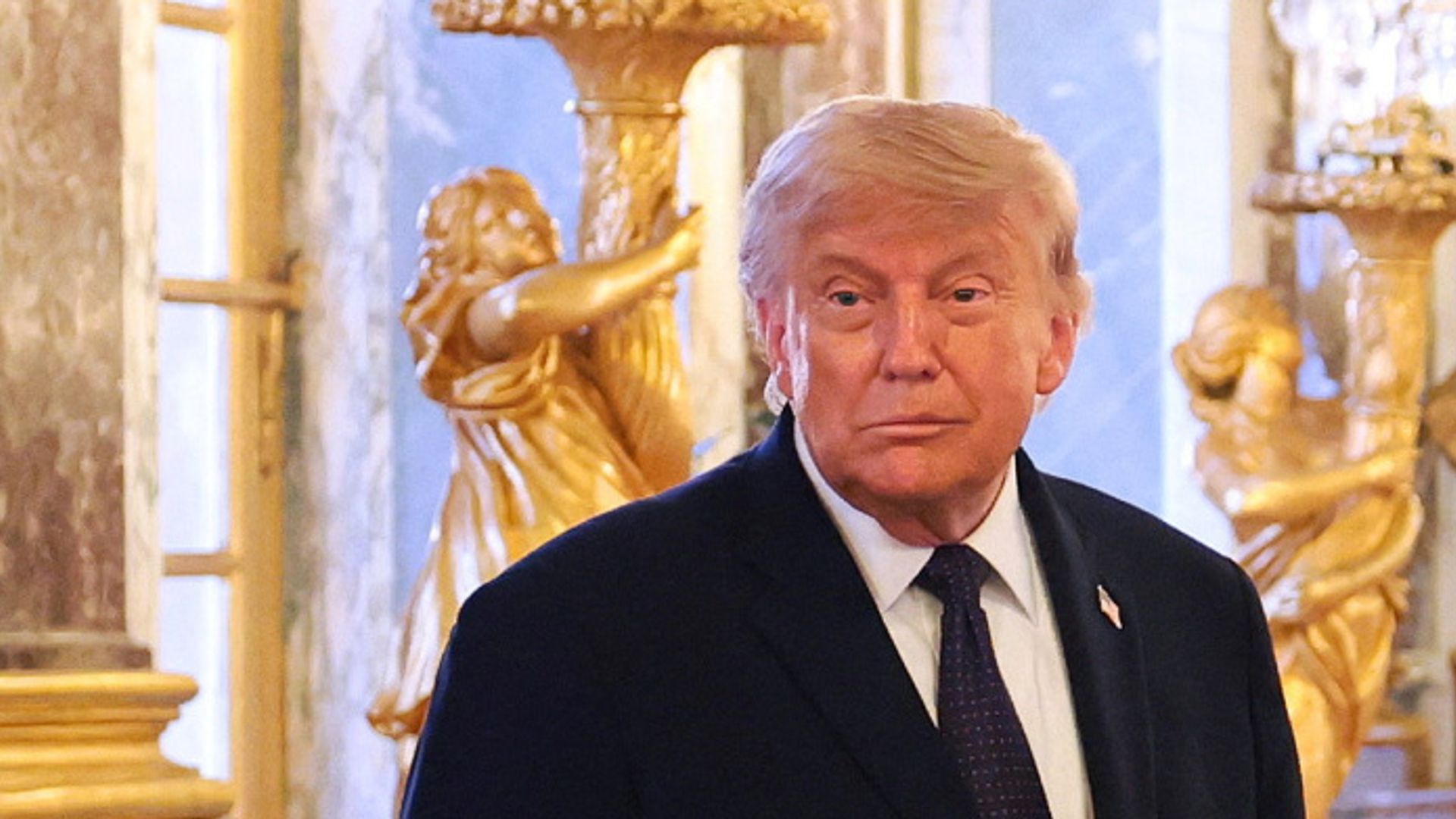
Trump's 'Wild Day' Highlights Concerns Over US War Spending and Effectiveness
A tumultuous day in US politics, marked by significant events related to former President Trump, has reignited debate over the cost and efficacy of American military engagements.
The past day has been described as one of the "wildest" in recent political history, particularly in its coverage of former President Donald Trump. This period of intense political activity has coincided with, and perhaps amplified, existing concerns and debates surrounding the United States' long-standing military involvements and the substantial financial and human resources they consume.
The heightened political atmosphere has brought renewed scrutiny to the effectiveness and justification of various US military operations abroad. Critics argue that these engagements, often spanning years or even decades, have yielded diminishing returns while imposing significant burdens on the American taxpayer and military personnel. The sheer scale of resources dedicated to these conflicts has become a focal point for those questioning the strategic objectives and ultimate outcomes.
During this period of heightened political discourse, attention has been drawn to the substantial financial outlays associated with maintaining a global military presence. Reports and analyses consistently highlight the trillions of dollars spent on defense and overseas operations, prompting calls for greater transparency and accountability in how these funds are allocated and utilized. The perceived lack of clear objectives or decisive victories in certain prolonged conflicts fuels these critical perspectives.
The implications of these ongoing debates extend beyond fiscal concerns. Questions are being raised about the long-term geopolitical consequences of sustained military engagement, the impact on international relations, and the potential for diplomatic solutions to be overshadowed by military strategies. As political figures and the public grapple with these complex issues, there is a growing demand for a reevaluation of American foreign policy and its military dimensions.
Historically, the United States has been involved in numerous military interventions and prolonged conflicts across the globe. These have ranged from large-scale wars to counter-terrorism operations and peacekeeping missions. Each engagement has come with its own set of stated goals, justifications, and costs, both tangible and intangible. The current political climate, characterized by a focus on domestic priorities and a questioning of past foreign policy decisions, has provided fertile ground for a comprehensive review of these past and present commitments.
Various stakeholders, including foreign policy experts, economists, and members of the public, have voiced their opinions on the matter. Some advocate for a more restrained foreign policy, emphasizing diplomacy and reduced military footprint, while others maintain the necessity of a strong global military presence to protect national interests and project power. This divergence of views underscores the complexity and sensitivity of the issue.
Comparisons are often drawn to previous eras of US foreign policy, particularly periods of significant military spending and intervention. Analysts are examining whether past lessons have been learned and applied to current strategies. The effectiveness of military solutions versus non-military approaches, such as economic aid and diplomatic pressure, is a recurring theme in these discussions.
As the political landscape continues to evolve, the debate over the value and cost of America's military endeavors is likely to intensify. Unresolved questions remain regarding the precise metrics for success in modern warfare, the criteria for initiating and concluding military engagements, and the ultimate strategic vision that guides the nation's global security posture. The recent "wild day" of political coverage serves as a backdrop for these critical considerations.
This article was written by AI based on publicly available news reporting. Original reporting by the linked source.