Trump Claims Massive Munitions, Denies Stockpile Depletion Amid Iran Conflict
President Trump asserted the U.S. has ample munitions despite reports of significant air defense stockpile reductions during the Iran conflict.
President Donald Trump publicly declared the United States possesses "massive amounts" of munitions, directly countering reports of significantly depleted air defense stockpiles amid ongoing conflict with Iran. The president made the assertion late Wednesday via social media, stating that defense companies are constructing the largest number of plants and factories in the nation's history to ensure supply.
These statements come as the U.S. and Iran continue to engage in exchanges, with the Strait of Hormuz serving as a primary flashpoint. Major combat operations were initiated by the U.S. on February 28, involving joint U.S.-Israeli strikes on military, government, and infrastructure targets. Delegations from both nations entered negotiations in June, seeking a war-ending agreement based on a memorandum of understanding.
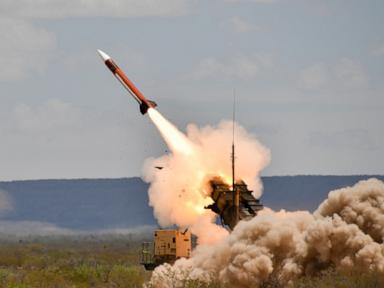
Despite the president's assurances, a U.S. official speaking to ABC News confirmed that Patriot missile stockpiles have been reduced by two-thirds, and THAAD missile stocks by half. The White House, however, has officially denied that munitions are running low, with Principal Deputy Spokesperson Anna Kelly stating the U.S. Military has more than enough for President Trump's strategic goals and beyond.
Trump also addressed alleged leaks of sensitive information regarding munitions levels, calling them "treasonous statements" and vowing to hunt down those responsible, with the intent of seeking long-term jail sentences. In a separate statement provided to ABC News, Trump asserted, "We have far more munitions than anyone in the world, and far more than we need."
In parallel, President Trump indicated that negotiations with Iran are "working out quite well," though he cautioned that outcomes can be unpredictable. He suggested that Iran was influenced by the severity of threatened strikes, which he reiterated remain "on the table" as the U.S. is "ready to go."
The conflict has seen strategic exchanges, particularly around the vital Strait of Hormuz. The U.S. initiated major combat operations earlier in the year, followed by diplomatic efforts aimed at de-escalation, even as strikes continued.
While the White House maintains robust stockpiles, the reported depletion of critical air defense interceptors raises questions about the sustainability of prolonged military engagement and the impact of recent operations on U.S. readiness.
Unresolved questions remain regarding the exact status of U.S. munitions and the ultimate success of the ongoing diplomatic efforts with Iran, especially in light of continued military exchanges and the president's strong rhetoric.
This article was written by AI based on publicly available news reporting. Original reporting by the linked source.