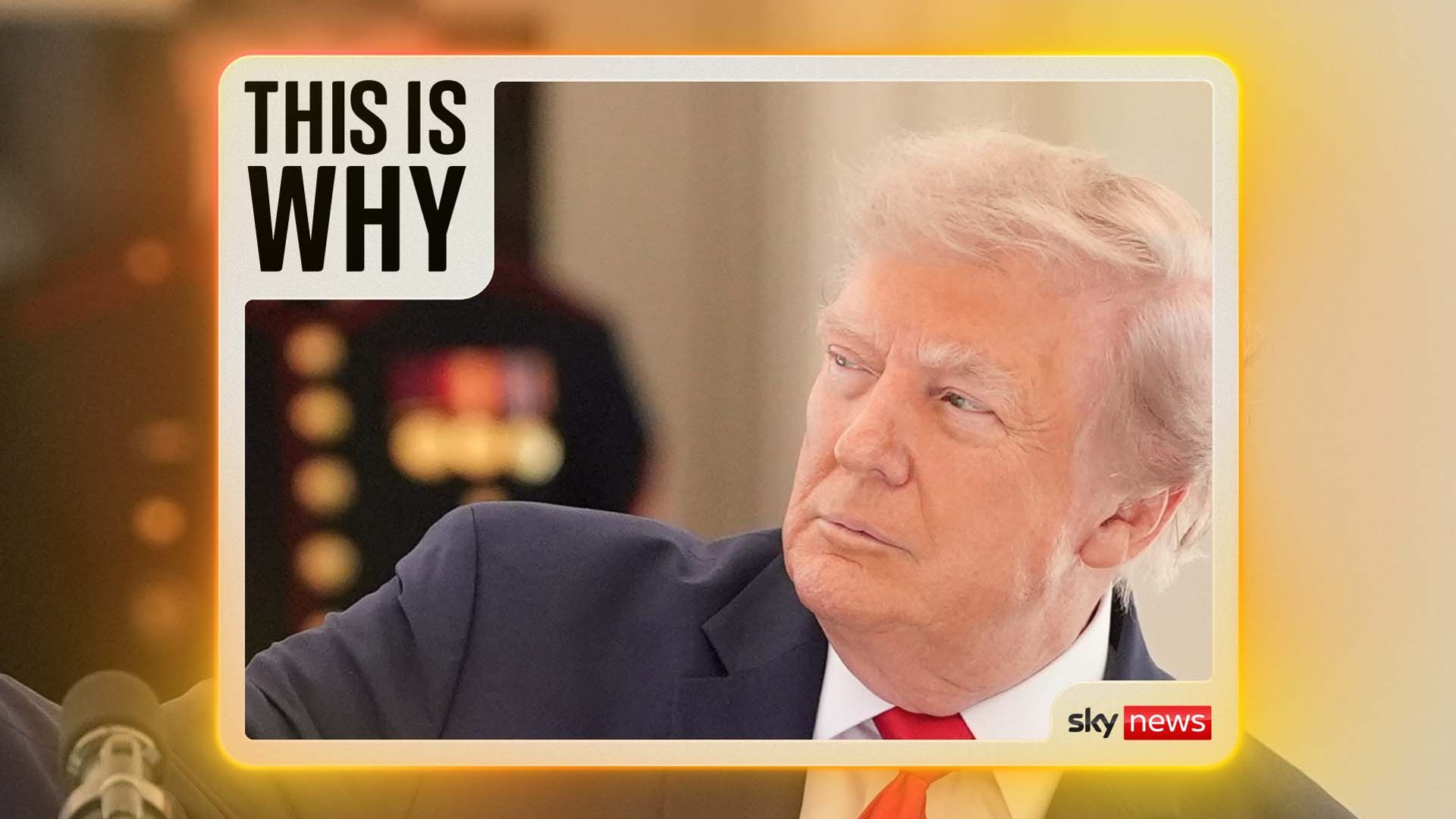
Trump Risks 'Forever War' With Iran Amid Rising Tensions
President Trump's actions toward Iran could escalate regional conflict, risking a prolonged military engagement in the Middle East.
The current geopolitical climate surrounding Iran suggests a potential for prolonged conflict, with analysts warning that President Donald Trump's administration may be inadvertently risking a "forever war." Tensions have been steadily escalating, prompting concerns about the long-term implications of current U.S. foreign policy in the region.
This heightened state of affairs is not a sudden development but rather a culmination of years of shifting diplomatic strategies and increased military posturing. The "maximum pressure" campaign initiated by the Trump administration has aimed to curb Iran's nuclear program and its regional influence, but critics argue it has pushed the nation closer to aggressive responses.
Key details of the escalating situation include the withdrawal from the Iran nuclear deal, the imposition of stringent economic sanctions, and increased military presence in the Persian Gulf. These actions have been met with retaliatory measures from Iran, including attacks on oil tankers and the downing of a U.S. drone, further inflaming the situation.
The potential implications of this trajectory are significant. A protracted conflict could destabilize the Middle East, disrupt global oil markets, and lead to a substantial loss of life. Experts in international relations suggest that a diplomatic resolution is becoming increasingly difficult to achieve under the current circumstances.
Historically, U.S.-Iran relations have been fraught with tension since the 1979 Islamic Revolution. However, the current period marks a distinct intensification, characterized by a breakdown of established diplomatic channels and a reliance on economic coercion and military deterrence. This approach has yielded mixed results, with Iran's regional activities continuing despite severe economic hardship.
Reactions from various stakeholders have been divided. While some U.S. allies have expressed concerns about the effectiveness and potential repercussions of the "maximum pressure" policy, hardliners within the administration continue to advocate for a firm stance against Iran. Meanwhile, Iran's leadership has consistently denounced the sanctions as economic warfare and has vowed to resist U.S. pressure.
Comparisons are often drawn to other protracted conflicts in the region, highlighting the dangers of prolonged military engagement without clear strategic objectives or exit strategies. The economic strain on Iran, while intended to force concessions, has also led to increased domestic instability, which can unpredictably influence foreign policy decisions.
Unresolved questions remain about the ultimate goals of the current U.S. policy and whether a de-escalation pathway exists. The lack of robust diplomatic dialogue leaves a significant vacuum, increasing the possibility of miscalculation and unintended escalation into a conflict that could be difficult to contain and even harder to end.
This article was written by AI based on publicly available news reporting. Original reporting by the linked source.