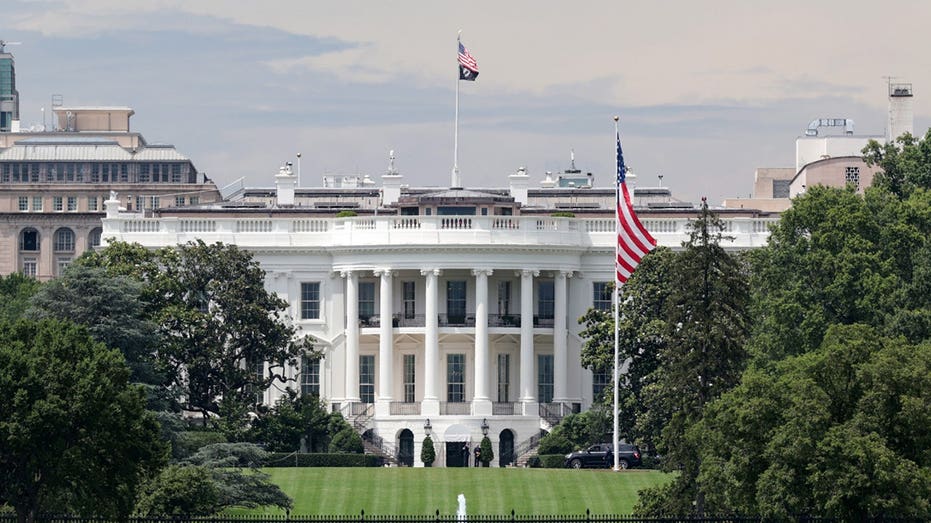
Trump Authorizes US Firms to Target Foreign Cybercriminals
President Trump has authorized vetted U.S. companies to conduct offensive cyber operations against foreign individuals and entities engaged in cybercrime.
President Donald Trump has issued an executive order authorizing vetted private U.S. companies to conduct offensive cyber operations against foreign individuals and entities engaged in cybercrime. This directive empowers these companies to directly target and disrupt the operations of cybercriminals operating outside of U.S. jurisdiction.
The move represents a significant shift in U.S. cyber policy, moving beyond purely defensive measures to a more proactive stance against international cyber threats. The administration's goal is to deter cybercrime by making it more difficult and costly for foreign actors to engage in illicit activities targeting the United States.
Under the authorization, specific U.S. companies that meet stringent vetting requirements will be permitted to employ offensive cyber tools and techniques. These operations are intended to disrupt command-and-control infrastructure, disable malicious software, and otherwise interfere with the ability of foreign cybercriminals to perpetrate attacks.
The implications of this policy are far-reaching, potentially increasing the complexity of international cyber conflict. By deputizing private entities, the U.S. government is expanding its capacity to respond to cyber threats without directly attributing actions to the state, a common practice in cyber operations.
This initiative is part of a broader effort by the Trump administration to combat transnational crime. The focus on cybercrime stems from its increasing prevalence and the significant economic and security risks it poses to individuals and businesses in the United States. The administration has previously highlighted the role of foreign actors in various cyberattacks, including ransomware and financial fraud schemes.
While the specific capabilities and targets of these authorized companies are not publicly detailed, the directive signals a willingness to employ more aggressive tactics. The vetting process for these companies is expected to be rigorous, ensuring that operations are conducted within legal and ethical boundaries, though the exact parameters remain closely guarded.
Experts in cybersecurity and international relations are closely watching the implementation of this policy. Concerns have been raised about potential escalation and the challenges of attribution if operations lead to unintended consequences or retaliatory actions. The effectiveness of this approach will depend on the capabilities of the chosen companies and the international legal framework governing cyber operations.
This authorization also raises questions about oversight and accountability for private companies engaging in offensive cyber activities. Ensuring that these operations remain within the scope of the executive order and do not infringe on the sovereignty of other nations will be a critical challenge for U.S. policymakers.
This article was written by AI based on publicly available news reporting. Original reporting by the linked source.