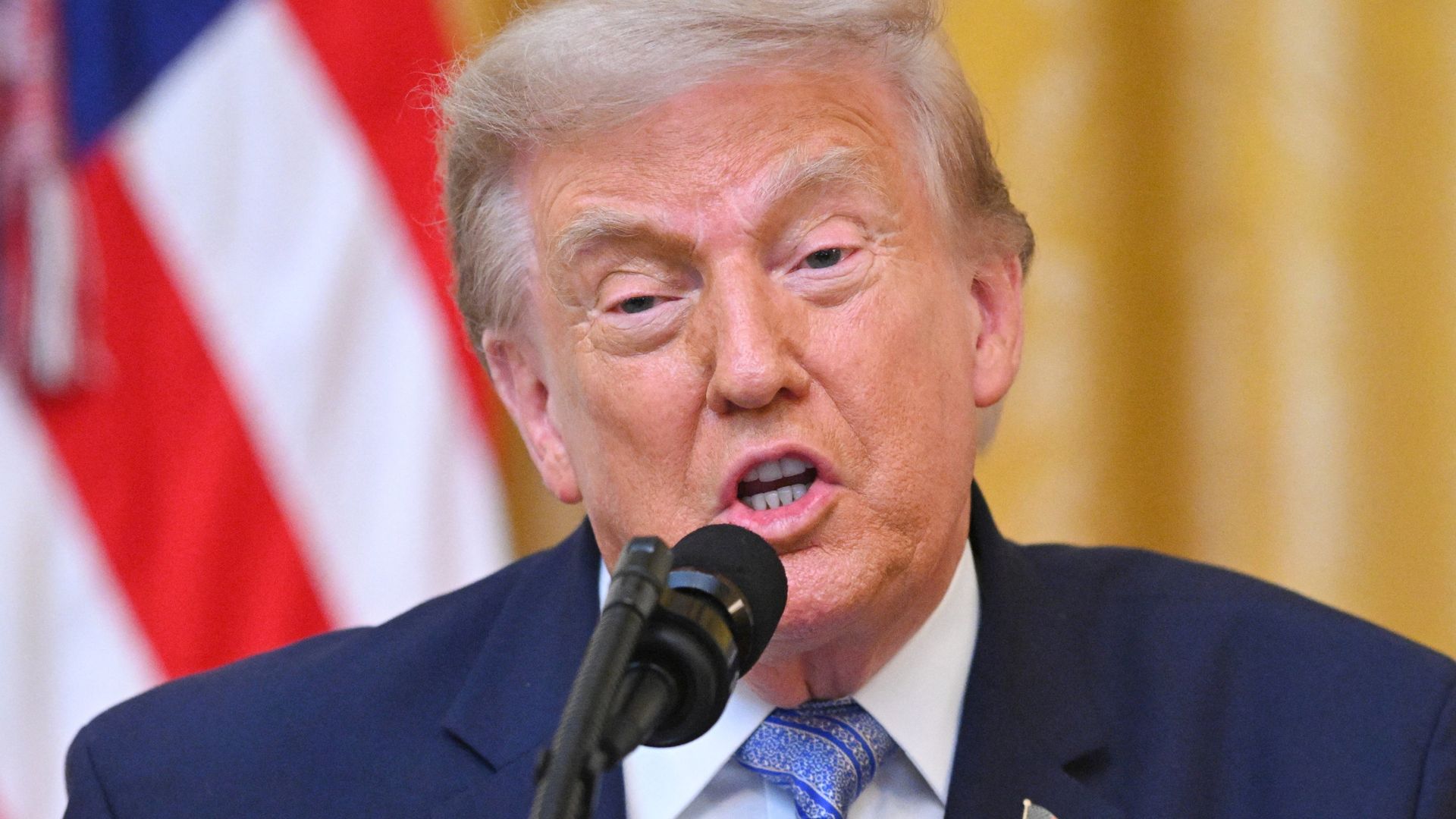
Trump Accused of Spreading 'Bogus' 2020 Election Claims in Address
Donald Trump faced accusations of making false claims about 2020 election interference during a recent address to the nation.
Former President Donald Trump has been accused of disseminating "totally bogus" claims of interference in the 2020 United States presidential election during a recent address to the nation. The accusations stem from the content of his speech, which focused on allegations of widespread fraud and irregularities that he asserted impacted the election's outcome.
Trump's address was delivered in a primetime slot, aiming to reach a broad audience with his continued assertions about the legitimacy of the 2020 election. These claims have been a recurring theme for the former president since his defeat by Joe Biden, despite numerous court challenges and reviews finding no evidence of widespread fraud sufficient to alter the results.
The core of the accusations against Trump centers on his use of the national platform to reiterate unsubstantiated theories. Critics and election integrity experts have condemned the speech, arguing that it undermines public trust in democratic processes and continues to spread misinformation. The claims made in the address, according to these critics, lack factual basis and have been repeatedly debunked.
This latest address is seen by many as an attempt by Trump to solidify his narrative surrounding the 2020 election and maintain influence within his political base. The implications of such claims, particularly when delivered from a prominent platform, include continued polarization of the electorate and potential challenges to future electoral processes. Experts warn that persistent, baseless allegations can erode confidence in election outcomes.
Legal and electoral bodies across the country, including state election officials and federal courts, have largely dismissed claims of significant fraud in the 2020 election. Numerous recounts and audits confirmed the accuracy of the vote counts. Despite these official findings, Trump and his allies have continued to pursue various avenues to challenge the election results, often without providing concrete evidence.
Reactions to the address have been sharply divided. Supporters of the former president have largely echoed his sentiments, viewing his claims as a necessary defense of electoral integrity. Conversely, opponents and non-partisan observers have expressed alarm, characterizing the speech as a dangerous propagation of falsehoods that could have lasting negative consequences for American democracy.
The repeated dissemination of these claims raises questions about accountability and the role of public figures in promoting information. While Trump has consistently maintained his innocence and the validity of his concerns, the lack of supporting evidence from official reviews and court proceedings leaves his narrative contested.
Moving forward, the impact of Trump's address is likely to be debated within political and media circles. It underscores the ongoing challenges in addressing election misinformation and the persistent divisions within the American electorate regarding the 2020 election results.
This article was written by AI based on publicly available news reporting. Original reporting by the linked source.