Three Students Charged in Alleged Threats Against Trump Ahead of Alabama Rally
Three University of South Alabama students face federal charges for allegedly making threats against Donald Trump before a campus rally.
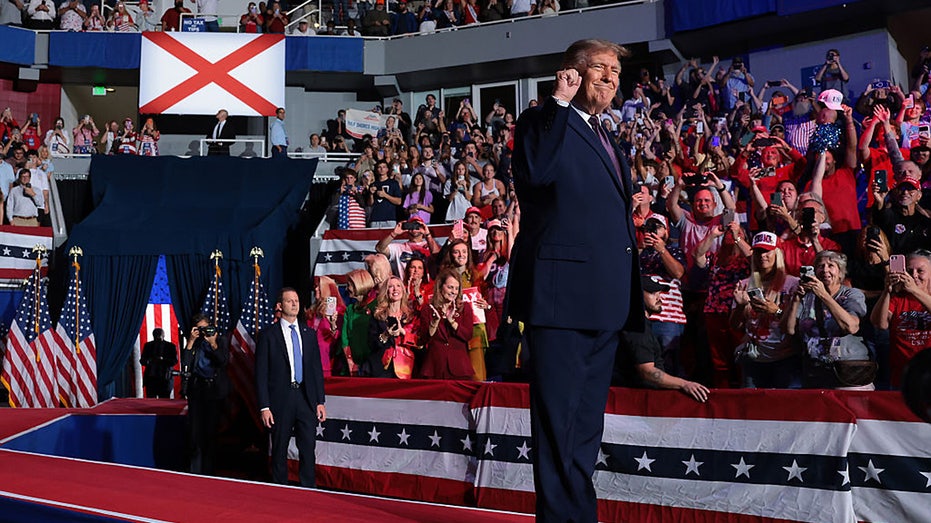
Three University of South Alabama students have been arrested and are facing federal charges in connection with alleged threats made against former President Donald Trump. The arrests occurred in the days leading up to a planned rally on the university's campus in Mobile, Alabama.
Details surrounding the specific nature of the alleged threats remain limited, but authorities confirmed that the charges are federal in nature. The University of South Alabama Police Department, in conjunction with federal law enforcement agencies, conducted the investigation and subsequent arrests. The university has not released official statements regarding the students' current academic standing or disciplinary actions.
Sources close to the investigation indicated that the threats were made through social media platforms. Federal investigators reportedly identified the three students as the individuals responsible for posting the content. The arrests have sparked discussions on campus and within the broader community about free speech and the boundaries of political discourse, particularly in the context of a high-profile political visit.
The implications of these charges extend beyond the individuals involved, potentially highlighting the increased scrutiny and federal response to threats made against prominent political figures. The U.S. Secret Service, which is responsible for the protection of former presidents, was involved in the investigation.
This incident occurs at a time of heightened political polarization in the United States. Threats against public figures, especially those with a significant political profile like former President Trump, often draw swift and severe responses from law enforcement. The federal nature of the charges suggests that the alleged threats were deemed credible and potentially posed a risk to public safety or the security arrangements for the event.
University officials have emphasized their commitment to maintaining a safe environment for students, faculty, and staff. While the rally was a significant event drawing national attention, the primary focus for law enforcement and the university administration became ensuring security and responding to any perceived threats.
Further details are expected to emerge as the legal process unfolds. The charges filed against the students will be adjudicated through the federal court system. The case underscores the complex legal landscape surrounding political speech and the potential consequences for speech deemed threatening.
This situation raises questions about the role of social media in facilitating both political engagement and potential threats. Law enforcement agencies continually monitor online activity for signs of potential criminal behavior, especially when related to scheduled public events involving high-profile individuals. The outcome of this case could set precedents for how similar online threats are handled in the future.
This article was written by AI based on publicly available news reporting. Original reporting by the linked source.