Suspect Arrested After Fire at Hitler's Infamous 'Eagle's Nest' Retreat
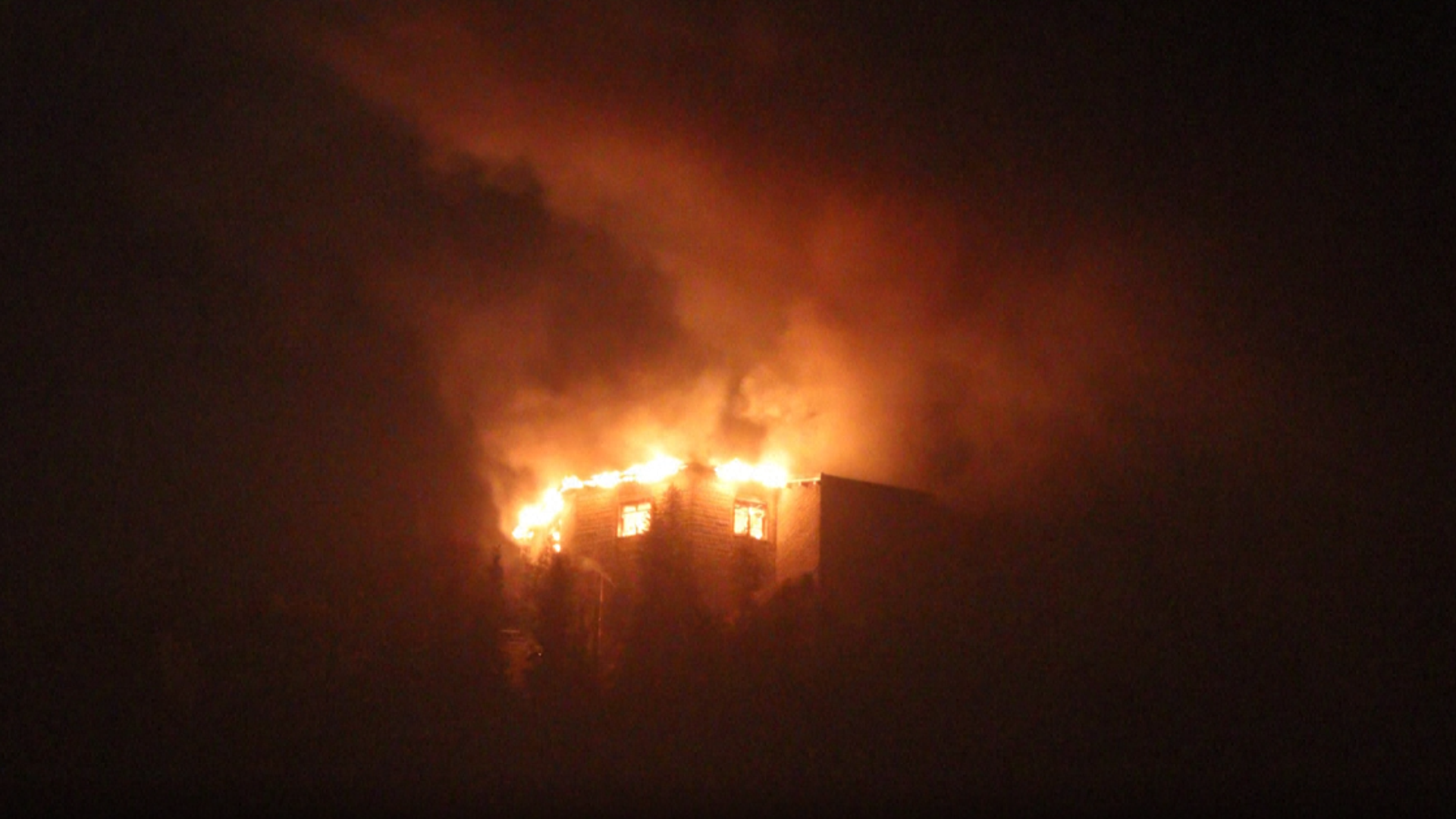
A suspect is in custody following a fire at Germany's historic Nazi 'Eagle's Nest' mountain retreat.
Police in Germany have apprehended a suspect in connection with a fire that broke out at the historic "Eagle's Nest" mountain retreat, a site deeply associated with the Nazi regime. The incident occurred at the iconic location, which served as a significant meeting place for Adolf Hitler and other high-ranking Nazi officials during World War II.
The "Eagle's Nest," officially known as the Kehlsteinhaus, is situated high in the Bavarian Alps near Berchtesgaden. Its construction was completed in 1938 and it was intended as a political and social venue for the Nazi Party leadership. The site has since become a major tourist attraction, drawing visitors interested in its historical significance and dramatic mountain setting.
Authorities confirmed the arrest and the ongoing investigation into the cause of the fire. While details regarding the suspect and the extent of the damage are still emerging, the event has prompted renewed attention to the preservation and management of sites linked to Germany's wartime past. The motive behind the fire has not yet been disclosed.
The incident raises questions about security at historical landmarks and the potential for acts of vandalism or arson targeting sites with controversial legacies. It also highlights the delicate balance between historical preservation and the ongoing debate surrounding how to best present and manage such places of remembrance.
Historically, the "Eagle's Nest" was a symbol of Nazi power and ambition, offering panoramic views that were leveraged for propaganda purposes. Hitler himself used the retreat sparingly, preferring his nearby residence in the Obersalzberg mountain complex. However, its symbolic importance to the Nazi Party remains undeniable.
Following the war, the site was initially occupied by Allied forces. Its subsequent transformation into a tourist destination involved significant restoration efforts, aiming to preserve its architectural integrity while making it accessible to the public. The area around the "Eagle's Nest" has also been the subject of historical research and public discourse.
Local authorities and heritage organizations are expected to assess the full impact of the fire on the structure and its historical artifacts. The investigation will likely focus on determining whether the fire was accidental or a deliberate act, and what measures might be necessary to prevent future incidents.
As the investigation proceeds, the incident serves as a somber reminder of the enduring presence of Nazi history and the complex emotions it continues to evoke. The "Eagle's Nest" remains a potent symbol, and its future preservation will undoubtedly be a subject of continued discussion.
This article was written by AI based on publicly available news reporting. Original reporting by the linked source.