Britain Can Aid Sudan's Overlooked War Through Targeted Aid and Diplomacy
Britain has the potential to significantly impact the ongoing conflict in Sudan through focused diplomatic efforts and humanitarian aid.
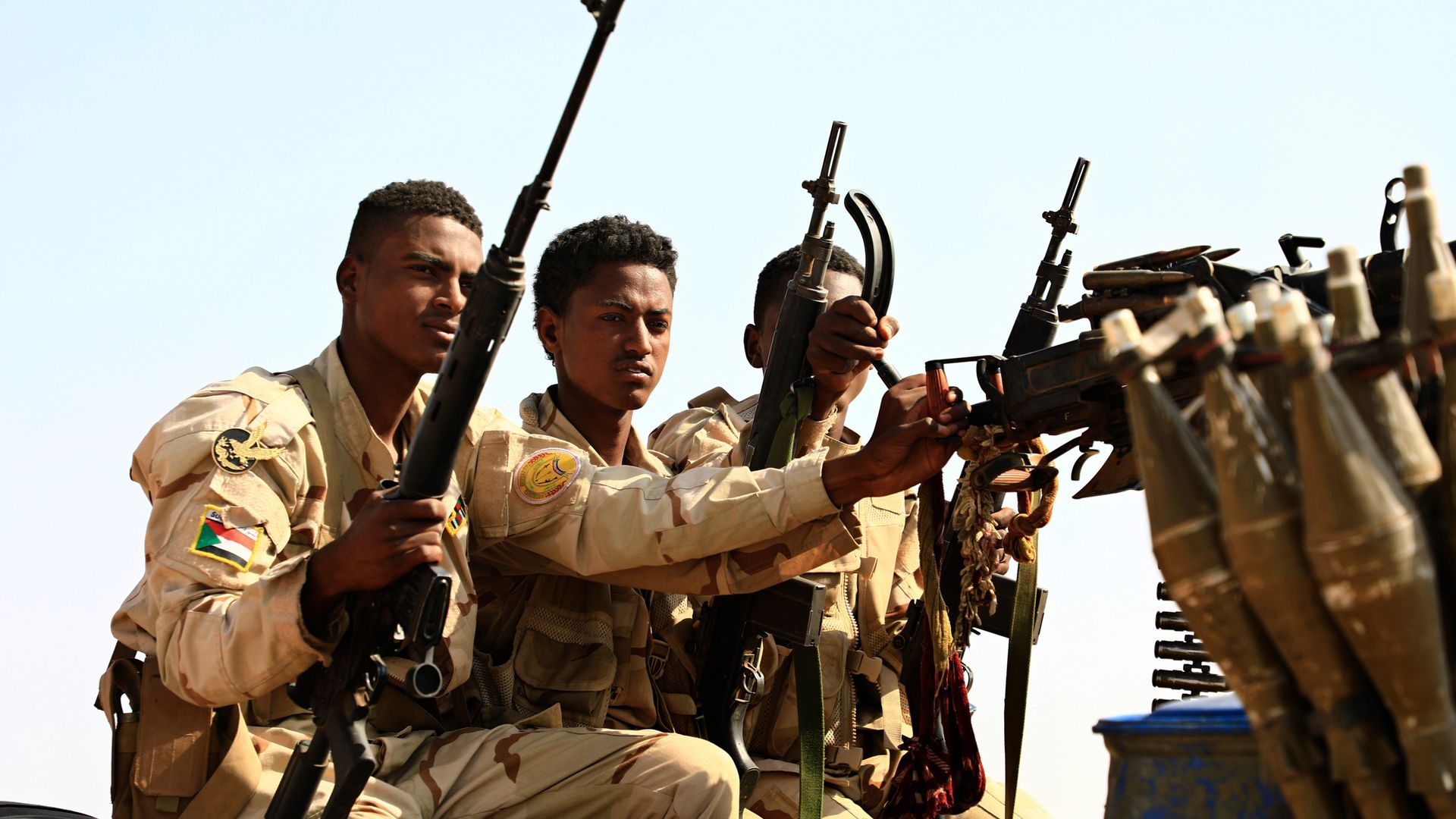
The devastating war in Sudan, currently in its second year, presents a humanitarian crisis of immense scale that often goes unnoticed on the global stage. The conflict between the Sudanese Armed Forces (SAF) and the Rapid Support Forces (RSF) has displaced millions and led to widespread destruction, yet international attention remains limited.
Understanding the complexities of this conflict is crucial for effective intervention. The war, which erupted in April 2023, has its roots in a power struggle between the SAF and RSF leaders, former allies in overthrowing a civilian government. This internal strife has fractured the nation, plunging it into a humanitarian catastrophe.
Experts suggest that the United Kingdom, with its historical ties to Sudan and its established diplomatic channels, is well-positioned to play a more prominent role. This could involve increasing targeted humanitarian aid, supporting peace initiatives, and exerting diplomatic pressure on the warring factions to cease hostilities and engage in meaningful dialogue.
The implications of continued inaction are dire. The conflict threatens regional stability and has created one of the world's worst displacement crises, with millions seeking refuge both internally and in neighboring countries. A sustained international effort, spearheaded by nations like the UK, is essential to avert further suffering and lay the groundwork for a lasting peace.
While the direct involvement of external powers has been limited, the international community's response has largely focused on humanitarian appeals and condemnation of the violence. However, the scale of the crisis demands more robust engagement, including sustained diplomatic pressure and financial commitments to support mediation efforts.
The UK's potential contribution could extend beyond direct aid. By leveraging its influence within international forums such as the United Nations and the African Union, Britain can advocate for stronger international resolve and coordinated action to address the root causes of the conflict and support a civilian-led transition.
Stakeholders, including Sudanese civil society groups and international aid organizations, have consistently called for increased global attention and a more concerted effort to broker a peace deal. They emphasize that without a comprehensive peace process, the humanitarian situation will continue to deteriorate, exacerbating regional instability.
Ultimately, the path to resolving the Sudanese conflict is multifaceted, requiring a combination of immediate humanitarian assistance, sustained diplomatic engagement, and a commitment to supporting a peaceful and democratic future for Sudan. The question remains whether nations like the UK will fully commit their resources and influence to address this urgent, yet often overlooked, crisis.
This article was written by AI based on publicly available news reporting. Original reporting by the linked source.