Deadly Protests Grip Pakistan-Administered Kashmir as Doctor Treats Wounded
Dozens killed in Pakistan-administered Kashmir protests for basic rights. A doctor details the overwhelming injuries and fear.
Dozens of people have been killed in recent months across Pakistan-administered Kashmir (PAK) amid escalating clashes between security forces and protesters, the BBC has reported. The news organization gained rare access to the city of Rawalakot, a focal point of the unrest, where a doctor described the dire conditions at a makeshift clinic struggling to cope with a surge of critically injured individuals.
The protests, led by the group Joint Awami Action Committee (JAAC), center on demands for affordable electricity, education, healthcare, and the implementation of a previous agreement with the Pakistani and PAK governments signed in October. However, authorities claim the JAAC is armed and attempting to disrupt ongoing elections in the region.
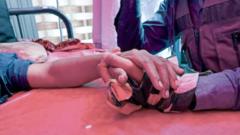
Dr. Anwar, whose name has been changed for his safety, operates a makeshift clinic in Rawalakot. He stated that his facility can only provide basic first aid and that patients with severe injuries, such as those to the chest, abdomen, or head, require advanced hospital care, which is often inaccessible or feared by protesters due to potential arrest or further violence. Since late July, the clinic has treated approximately 50 to 60 critically injured patients, with Dr. Anwar personally treating 15 to 20 gunshot victims.
The implications of the ongoing conflict are severe, with young people disproportionately affected. The JAAC, banned in June and labeled as foreign-funded terrorists, rejects these accusations, asserting they are peaceful and are victims of security forces' actions. The Pakistani government and local authorities maintain that the group is disruptive and armed.
Shafqat Hussain, a protester with a gunshot wound to the chest, was being treated at Dr. Anwar's clinic. His friend, Ali, expressed the protesters' anguish, stating they were only seeking basic rights and questioning why live ammunition was being used against them. Families in the region have reported losing loved ones, with many of the injured and deceased being young adults between 15 and 35 years old.
Information flow has been significantly hampered by internet disruptions and blocked roads, making it difficult to ascertain the full extent of the violence and casualties. The JAAC claims the Pakistani government has failed to implement the October agreement, which was intended to address their grievances.
Local government officials, however, assert that the JAAC is responsible for blocking roads and that their actions are designed to interfere with the electoral process. They have also stated that the claim of protesters fearing arrest or shooting at the main hospital is inaccurate.
Despite the government's stance, the testimonies from the ground paint a stark picture of a community grappling with violence and unmet demands. The situation remains tense, with unresolved questions about the path to de-escalation and the resolution of the protesters' core concerns.
This article was written by AI based on publicly available news reporting. Original reporting by the linked source.