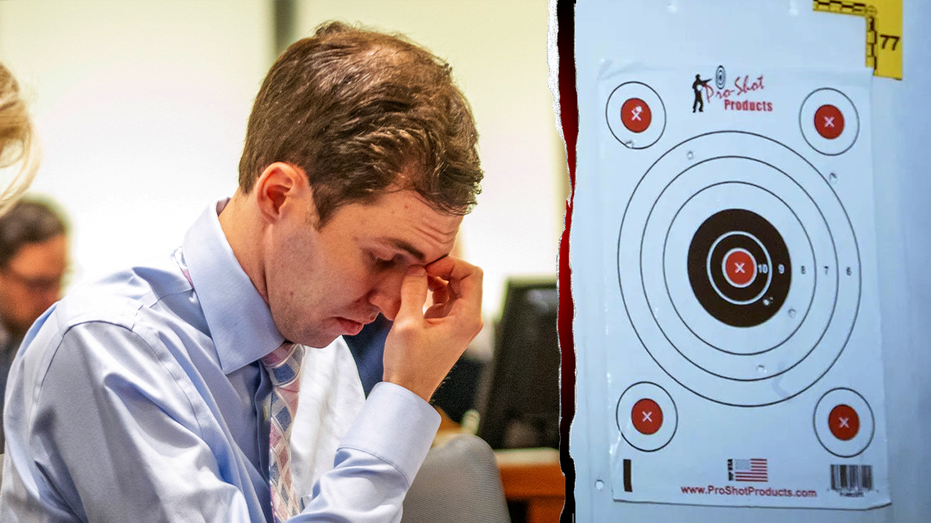
Robinson's Poor Aim Put Bystanders at Risk in Kirk Shooting, Prosecutors Say
Prosecutors allege suspect Tyler Robinson's poor marksmanship endangered bystanders during the Charlie Kirk murder investigation, hindering his defense.
Prosecutors have argued that suspect Tyler Robinson's alleged inability to hit his intended targets during practice shots placed innocent bystanders at risk, a claim intended to counter defense arguments in the ongoing investigation surrounding the death of Charlie Kirk.
The assertion, detailed in court filings, suggests that Robinson's alleged poor marksmanship at the time of the incident significantly increased the danger to the public, a point prosecutors are using to undermine any defense strategy that seeks to mitigate the severity of the charges.
According to the filings, Robinson's accuracy issues were evident even in practice scenarios, indicating a reckless disregard for safety. This detail is central to the prosecution's narrative, aiming to paint a picture of a suspect whose actions, regardless of intent, posed a considerable threat to those around him.
The implications of this argument could be significant for the defense's efforts to argue for a lesser charge or to challenge the prosecution's account of the events. By highlighting the potential danger to uninvolved individuals, the prosecution seeks to bolster the gravity of the alleged crime.
This development comes as the legal proceedings related to Charlie Kirk's death continue. The prosecution's focus on Robinson's alleged poor aim suggests a strategy to preemptively address potential defense claims regarding intent or the specific circumstances of the shooting.
Legal analysts note that such arguments can be powerful in criminal cases, particularly when attempting to establish a pattern of dangerous behavior or a disregard for public safety. The defense will likely need to present counter-evidence or arguments to refute these claims effectively.
Further details regarding the specific practice incidents and any ballistic evidence are expected to emerge as the case progresses. The court will ultimately weigh all presented evidence to determine the facts of the case.
As the legal process unfolds, the prosecution's emphasis on Robinson's alleged poor aim and the resultant risk to bystanders remains a critical element of their case against the suspect in the death of Charlie Kirk.
This article was written by AI based on publicly available news reporting. Original reporting by the linked source.