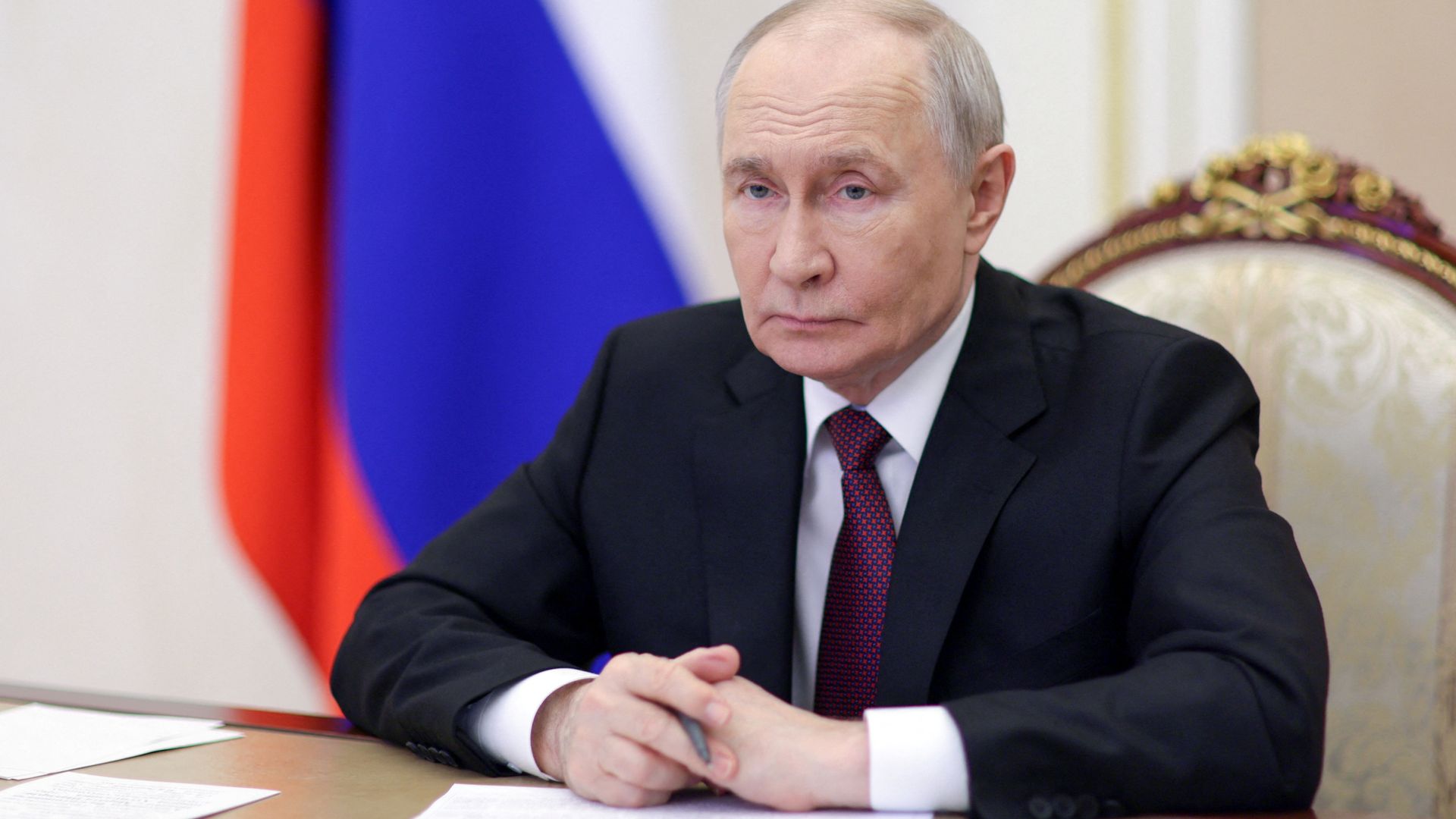
Putin Declares Russia Ready for Ukraine Peace Talks Amid Refinery Strikes
President Putin stated Russia is prepared for peace discussions following Ukrainian strikes on Russian infrastructure causing fuel shortages.
Russian President Vladimir Putin announced on Monday that Russia is ready for peace talks with Ukraine, linking the potential for negotiations to recent Ukrainian strikes on Russian infrastructure that have led to significant fuel shortages.
The statement comes amid escalating tensions and a prolonged conflict, with both sides having previously engaged in diplomatic efforts that ultimately stalled. The acknowledgment of readiness for talks, however, is presented by Moscow as a direct response to perceived provocations by Ukraine.
Putin specifically cited the impact of Ukrainian attacks on Russian oil refineries and other fuel production facilities as a catalyst for this renewed openness to dialogue. He suggested that these strikes have created conditions that necessitate a discussion about de-escalation and resolution.
The implications of this announcement remain to be seen, as past peace initiatives have faltered due to fundamental disagreements between Kyiv and Moscow. Ukraine has consistently demanded the full withdrawal of Russian troops from its territory, while Russia has sought to consolidate its territorial gains and influence.
This development could signal a shift in Moscow's approach, potentially seeking to leverage the perceived success of its infrastructure attacks to gain concessions at the negotiating table. The focus on fuel shortages as a rationale for talks may also be an attempt to frame the conflict in terms of economic stability for Russia, potentially garnering domestic support for a negotiated settlement.
Kyiv has not yet issued a formal response to Putin's latest statement. However, Ukrainian officials have repeatedly stated that any peace agreement must respect Ukraine's sovereignty and territorial integrity. Their stance has historically been that negotiations can only commence once Russian forces have withdrawn from all occupied Ukrainian lands.
Analysts are closely watching for any signs of genuine diplomatic engagement or if this statement is a tactical maneuver. The international community, which has been deeply involved in mediating or supporting efforts towards peace, will likely scrutinize the sincerity of Russia's offer and the specific conditions under which talks might proceed.
Further complicating the situation are the ongoing military operations on both sides. The effectiveness and impact of Ukrainian strikes on Russian energy infrastructure, and the broader consequences for global energy markets, will continue to be a significant factor in the geopolitical calculus surrounding the conflict.
This article was written by AI based on publicly available news reporting. Original reporting by the linked source.