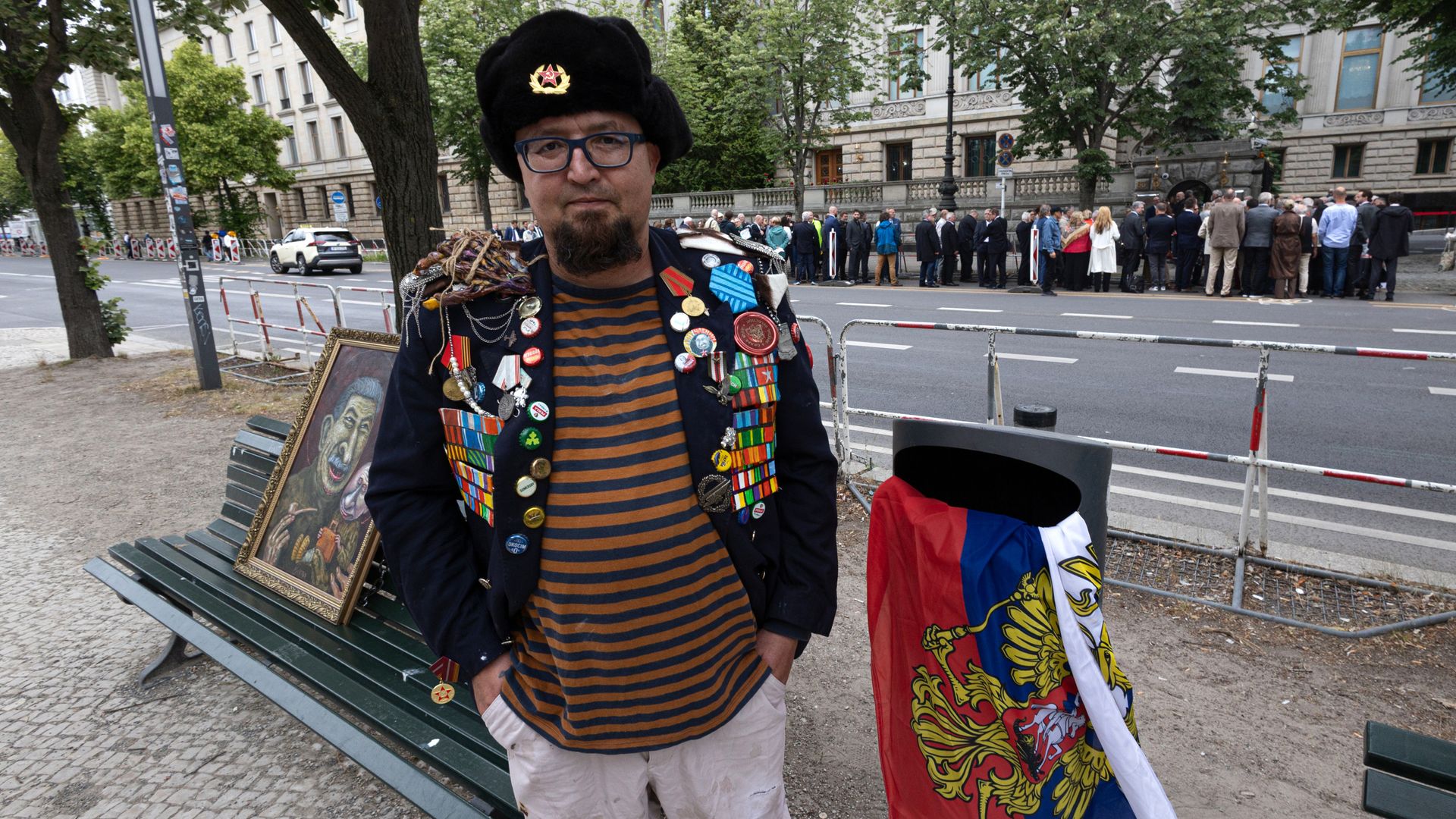
Polish PM: Artist's Killing Bears Hallmarks of Political Murder
Poland's Prime Minister stated the killing of a Russian artist critical of Putin has hallmarks of a political murder.
The killing of a Russian artist known for his criticism of President Vladimir Putin bears the hallmarks of a "political murder," according to Poland's Prime Minister. The statement from the Polish leader suggests a potential state-sponsored assassination, raising serious international concerns.
The artist, whose name has not been widely disclosed in relation to this specific incident but who was known for his anti-Putin stance, was reportedly found dead under circumstances that have prompted suspicion. The timing and nature of his death, coupled with his well-documented opposition to the Russian government, have fueled speculation about the motives behind it.
Prime Minister Donald Tusk of Poland, a vocal critic of Russian foreign policy, made the assertion during a press conference. He indicated that Polish authorities are investigating the incident, but the initial assessment points towards a politically motivated act. The specific details leading to this conclusion were not immediately released, but the implication is that the artist's activism played a direct role in his demise.
This alleged political assassination, if confirmed, would represent a significant escalation of clandestine operations targeting dissidents abroad. It raises questions about the reach of Russian intelligence services and the safety of critics living outside of Russia's borders. The incident could also strain diplomatic relations between Poland and Russia, further deepening existing tensions.
Such accusations are not unprecedented. Russia has previously been accused of orchestrating assassinations and attempted assassinations of its critics in various countries, including the United Kingdom and Germany. These alleged acts have often involved sophisticated methods and have been met with international condemnation and sanctions.
While Polish authorities continue their investigation, the Prime Minister's strong statement underscores the gravity of the situation. The focus now shifts to gathering concrete evidence that can either substantiate or refute the claim of a politically motivated killing. The international community will be closely watching the developments.
Experts in security and international relations have noted that political assassinations are often carried out to silence opposition and send a chilling message to others who might consider speaking out against authoritarian regimes. The alleged targeting of an artist highlights the perceived threat posed by cultural figures who use their platforms for political commentary.
Unresolved questions remain regarding the exact cause of death, the identity of the perpetrators, and the specific evidence that led the Polish Prime Minister to his conclusion. The ongoing investigation is expected to shed more light on these critical aspects of the case.
This article was written by AI based on publicly available news reporting. Original reporting by the linked source.