Macron: Paris Terror Attack Marks 'Turning Point' for France
President Macron declared a fatal Paris suburb shooting a terrorist and racist attack, signaling a major shift for France.
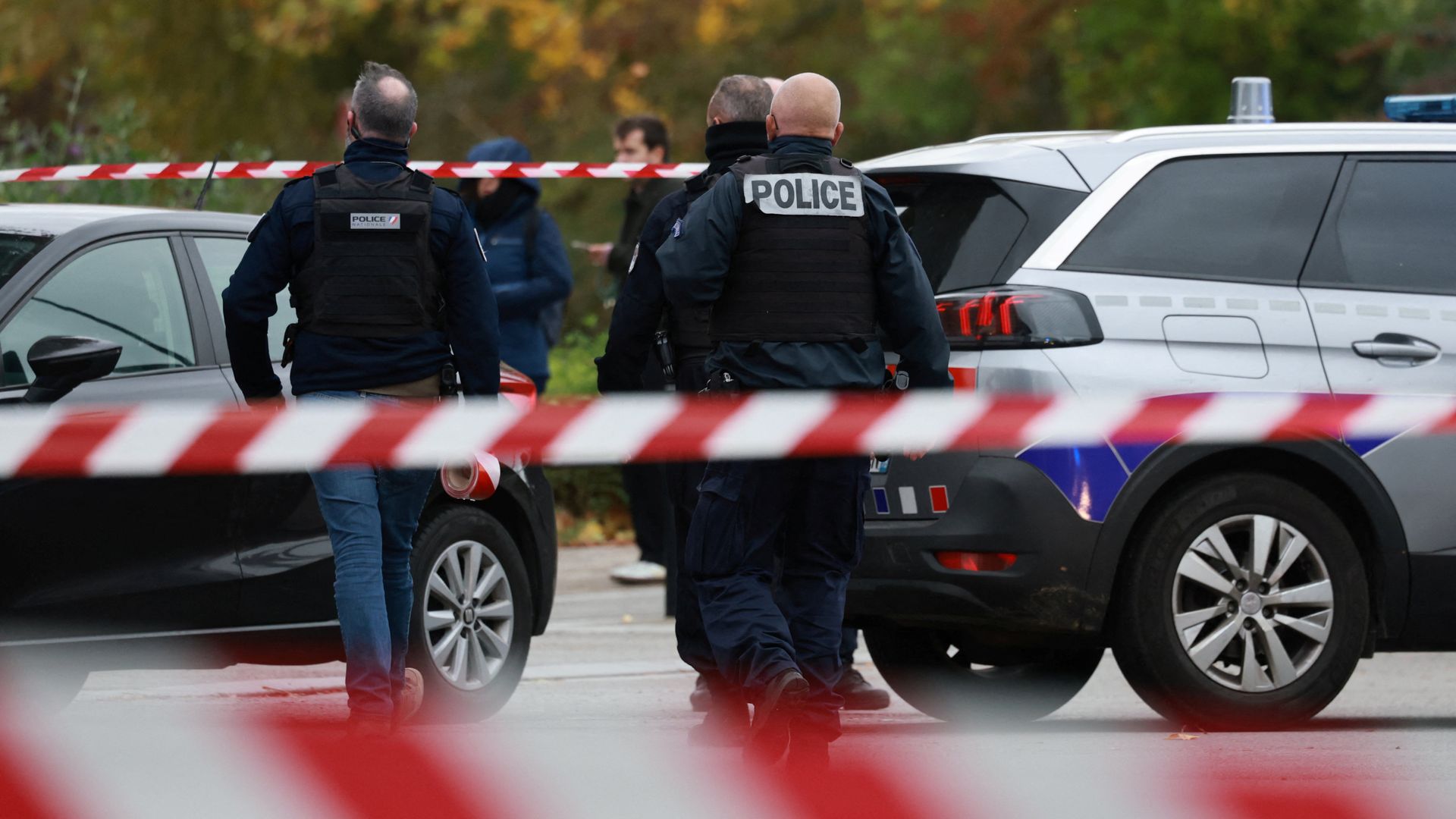
President Emmanuel Macron has characterized the fatal shooting in a Paris suburb as a terrorist and racist attack, stating it has "marked a turning point" in the history of France. The incident, which occurred in the suburban area of Paris, has sent shockwaves across the nation and prompted strong condemnation from the highest levels of government.
This designation by the French President elevates the severity of the event, framing it not just as a criminal act but as an assault on the nation's values and social fabric. The use of terms like "terrorist" and "racist" suggests a motivation rooted in extremist ideologies and prejudice, which Macron appears to view as a significant development requiring national attention.
Details surrounding the shooting remain under investigation, but authorities are treating it as a deliberate act of violence with clear motives. The attack has ignited public discourse on issues of extremism, radicalization, and the challenges France faces in combating such threats. The government is expected to outline its response in the coming days.
The implication of Macron's statement is that France may need to re-evaluate its strategies for counter-terrorism and social cohesion. A "turning point" suggests a need for fundamental changes in policy, security measures, or societal approaches to prevent future occurrences and address the underlying causes of such violence.
Historically, France has grappled with various forms of extremism and societal divisions, particularly in the wake of significant international events and domestic challenges. Past attacks have led to heightened security measures and debates about national identity and integration. Macron's strong language indicates that this latest incident is perceived to be of a different magnitude or nature, necessitating a more profound response.
Reactions from political figures and civil society organizations have been swift, with many echoing Macron's condemnation and expressing solidarity with the victims and their families. There is a widespread call for unity and a firm stance against all forms of hatred and violence. The government has pledged to provide support to those affected and to bring the perpetrators to justice.
Experts in security and sociology are analyzing the potential long-term impacts of this event. They are examining whether the attack could indeed represent a shift in the landscape of threats facing France, potentially influencing public opinion, political discourse, and the country's international relations. The focus will likely be on how effectively the government can implement measures that address both immediate security concerns and deeper societal issues.
Unresolved questions persist regarding the specific motives of the attacker or attackers, the extent of any networks involved, and the precise nature of the "turning point" Macron envisions for France. The coming weeks and months will be crucial in understanding the full scope of the incident and the nation's response to it.
This article was written by AI based on publicly available news reporting. Original reporting by the linked source.