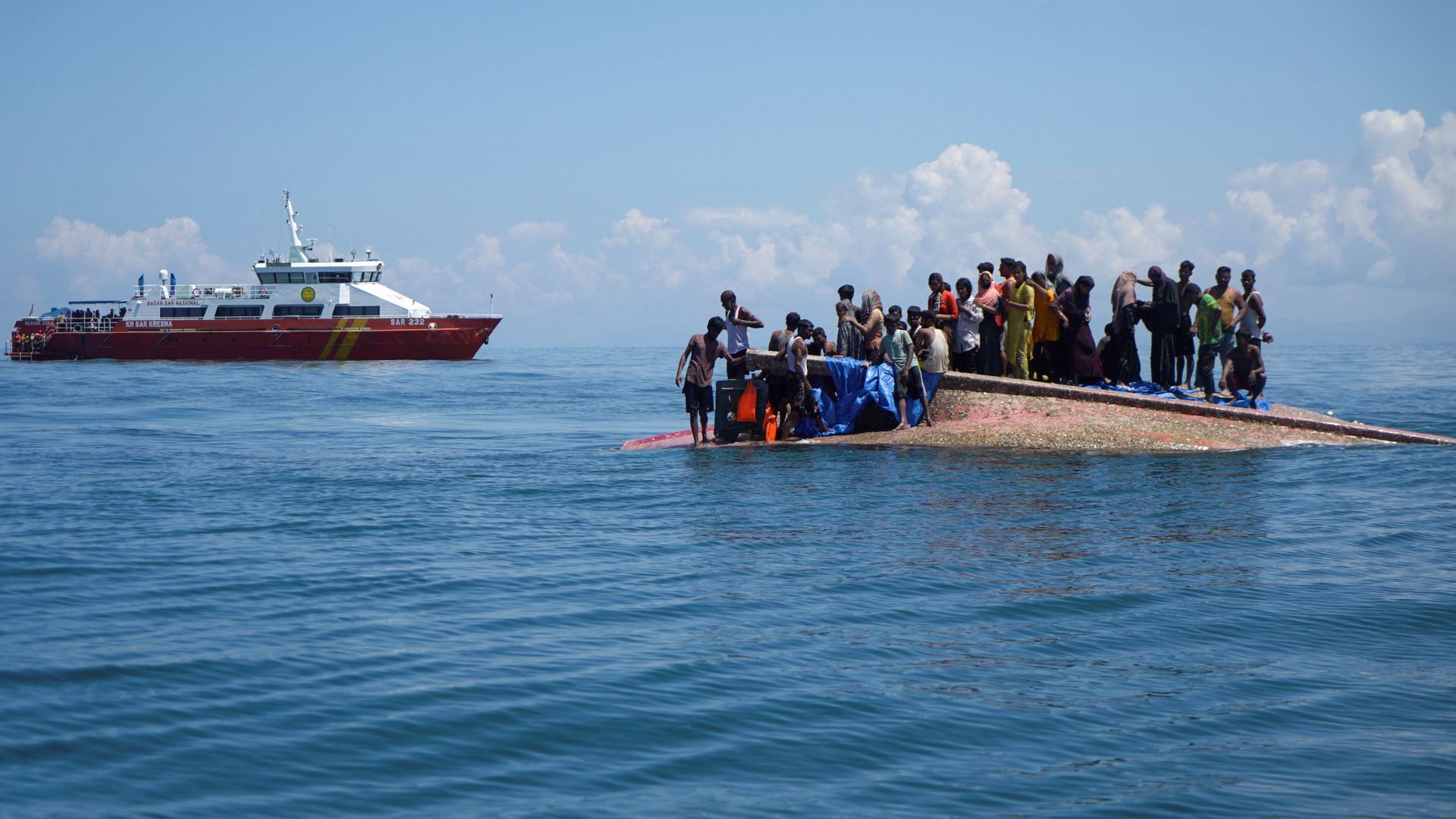
Over 500 Rohingya Refugees Feared Dead After Bay of Bengal Boat Capsizes
Two boats carrying persecuted Rohingya refugees reportedly capsized in the Bay of Bengal, with over 500 people feared dead.
Hundreds of Rohingya refugees are feared dead after two boats carrying them reportedly capsized in the Bay of Bengal. Initial reports suggest that more than 500 people may have perished in the tragic incidents.
The Bay of Bengal has become a perilous route for Rohingya Muslims fleeing persecution in Myanmar, with many attempting dangerous sea journeys in overcrowded and unseaworthy vessels. These journeys often end in disaster as refugees seek safety and a better life.
Details surrounding the exact number of individuals on board and the circumstances of the capsizing remain scarce. However, the scale of the feared loss of life indicates a significant humanitarian catastrophe. The Rohingya community has faced ongoing violence and discrimination in Myanmar, prompting mass displacement.
The potential loss of over 500 lives underscores the extreme risks undertaken by refugees and highlights the urgent need for international intervention and safe, legal pathways for asylum. This incident is likely to draw renewed attention to the plight of the Rohingya and the responsibilities of regional governments.
This latest disaster adds to a grim tally of lives lost at sea. Over the years, numerous boats carrying Rohingya refugees have disappeared or been found adrift, with survivors recounting harrowing tales of survival and loss. The journey is fraught with danger, including storms, lack of supplies, and exploitation by traffickers.
Many Rohingya who have survived these perilous journeys have ended up in refugee camps in neighboring countries, particularly Bangladesh. These camps, while offering some safety, are often overcrowded and lack adequate resources, leading to ongoing humanitarian challenges for the displaced population.
The international community has largely condemned the persecution of the Rohingya in Myanmar but has struggled to find a lasting solution. Efforts to repatriate refugees have been hampered by safety concerns and a lack of political will from the Myanmar government.
Questions remain about the exact timeline of the events, whether any distress calls were made, and if any rescue operations were initiated. The lack of immediate information points to the isolation and extreme vulnerability of those undertaking such desperate voyages.
This article was written by AI based on publicly available news reporting. Original reporting by the linked source.