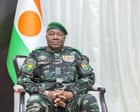
Niger Military Regime Launches 'Witch-Hunt,' Arresting Dozens for Homosexuality
Niger's military regime has arrested at least 40 people for homosexuality following a new penal code, sparking fears for HIV/AIDS prevention.
A sweeping crackdown targeting the LGBTQ+ population is reportedly underway in Niger, with authorities arresting dozens of individuals for homosexuality. The arrests follow the implementation of a new penal code earlier this year, creating a climate of fear and potentially jeopardizing public health initiatives.
Local media reports indicate that at least 40 people have been detained across the West African nation. Among those imprisoned are 16 men, reportedly including high-ranking military officials. This surge in arrests has been described by rights advocates as a "witch-hunt" and has raised serious concerns about the safety and well-being of the LGBTQ+ community.
The new penal code, which has not been fully detailed in public, appears to have emboldened authorities to pursue individuals based on their sexual orientation. The arrests have led to a "toxic" climate, making it difficult for individuals to live openly and safely. Access to essential health services, particularly for HIV prevention, is also reportedly being severely impacted.
Fears are mounting over a potential resurgence of HIV/AIDS due to the loss of access to vital medication, such as PrEP (pre-exposure prophylaxis). PrEP is a crucial tool in preventing HIV transmission, and its disruption could have severe public health consequences, especially for vulnerable populations.
While the specifics of the new penal code remain unclear to the public, its enforcement has created an environment of heightened suspicion and fear. LGBTQ+ rights organizations and international human rights bodies are closely monitoring the situation, urging Nigerien authorities to uphold the rights of all citizens and ensure access to healthcare.
This wave of arrests raises questions about the direction of human rights in Niger following the military takeover. The impact on individuals' lives extends beyond legal repercussions, affecting their social standing, mental health, and access to essential support networks.
Experts in public health and human rights have expressed deep concern, warning that such repressive measures can drive marginalized communities further underground, making them more vulnerable to discrimination and health crises. The lack of transparent information regarding the legal basis and scope of these arrests adds to the uncertainty and anxiety surrounding the situation.
Further details on the exact provisions of the penal code that are being applied and the legal processes involved in the detentions are yet to be fully clarified, leaving many questions about the long-term implications for Niger's LGBTQ+ population and its public health infrastructure.
This article was written by AI based on publicly available news reporting. Original reporting by the linked source.