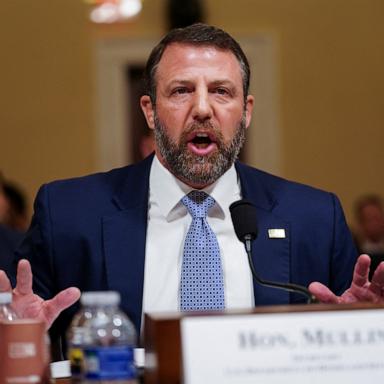
FAA Administrator Takes Blame for Nationwide Ground Stop, Mullin Grilled on Tech Issues
FAA head accepts responsibility for flight disruptions while Homeland Security Secretary Markwayne Mullin faces scrutiny over tech outages and immigration.
Department of Homeland Security Secretary Markwayne Mullin faced sharp questioning on Capitol Hill Wednesday regarding recent technology disruptions and immigration policies, even as the head of the Federal Aviation Administration took personal responsibility for a nationwide ground stop that stranded millions of travelers.
Mullin testified before the House Committee on Homeland Security for a hearing focused on "Worldwide Threats to the Homeland: 25 Years After 9/11." However, the proceedings quickly pivoted to address significant technology issues and criticisms leveled against the Department of Homeland Security in recent weeks.
Lawmakers, led by Ranking Member Bennie G. Thompson, D-Miss., brought up last Friday's rare nationwide ground stop, the second since the September 11th attacks, which significantly disrupted air travel for thousands of passengers. Thompson presented placards citing quotes from Mullin following the incident, including his attendance at an LSU-Texas football game the following day.
Mullin defended his actions, asserting that Thompson was misrepresenting facts for political gain. He explained that the trip was scheduled weeks in advance and that he was fulfilling a family commitment, adding that he would reimburse the government as required by law. The hearing also addressed broader cyber outages affecting airlines, Microsoft Outlook, and banks, with Director of National Intelligence Jay Clayton reaffirming that these incidents did not appear to be the result of coordinated foreign cyberattacks.
The FAA administrator's admission of responsibility for the ground stop offers a clear point of accountability for the air travel disruption. This event, which halted all domestic flight departures, highlighted the vulnerabilities within critical infrastructure and raised concerns about the FAA's technological resilience.
While Mullin deflected criticisms regarding his personal schedule, the focus on technology outages underscores a growing concern among lawmakers about the security and reliability of the nation's digital systems. The breadth of recent outages, impacting various sectors, suggests a need for a comprehensive review of cybersecurity protocols across public and private entities.
Further details on the specific technological failures leading to the FAA ground stop and the other widespread outages are still emerging. The committee's proceedings suggest that oversight hearings on these matters will likely continue, with particular attention paid to the preparedness and response capabilities of federal agencies.
Unresolved questions remain regarding the root causes of these widespread cyber incidents and the long-term implications for national security and economic stability. The committee's stated focus on threats 25 years after 9/11 provides a backdrop for examining how the nature of threats has evolved, with technology now playing a central role.
This article was written by AI based on publicly available news reporting. Original reporting by the linked source.