Manhattan Developer Downplays Building Damage, Citing 'Localized Situation'
MetroLoft founder Nathan Berman described the structural damage to a Manhattan high-rise as a "freak accident" confined to a small area.
The founder of MetroLoft, Nathan Berman, has characterized the structural damage to a Manhattan high-rise as a "freak accident" and a "localized situation," asserting that fears surrounding the building's collapse were overstated. Berman stated the buckling columns affected only a specific, limited section of the building, approximately 20 by 20 feet, suggesting the broader structural integrity remained sound.
This statement comes in the wake of significant public concern and scrutiny following the discovery of structural issues at the high-rise. The building, which houses residential units and commercial spaces, had residents evacuated as a precautionary measure, and city officials initiated investigations into the cause and extent of the damage.
Berman elaborated that the damage was concentrated on a few columns, which he believes were impacted by an isolated incident. He suggested that while the situation required immediate attention and remediation, it did not pose an immediate threat to the entire structure. The developer emphasized that his team is working diligently to address the specific issues identified.
The implications of Berman's assessment are significant for residents, investors, and the surrounding community. If the damage is indeed as localized as described, it could expedite the process of repairs and allow residents to return to their homes sooner. However, independent verification of the extent of the damage and the proposed repair plan will be crucial.
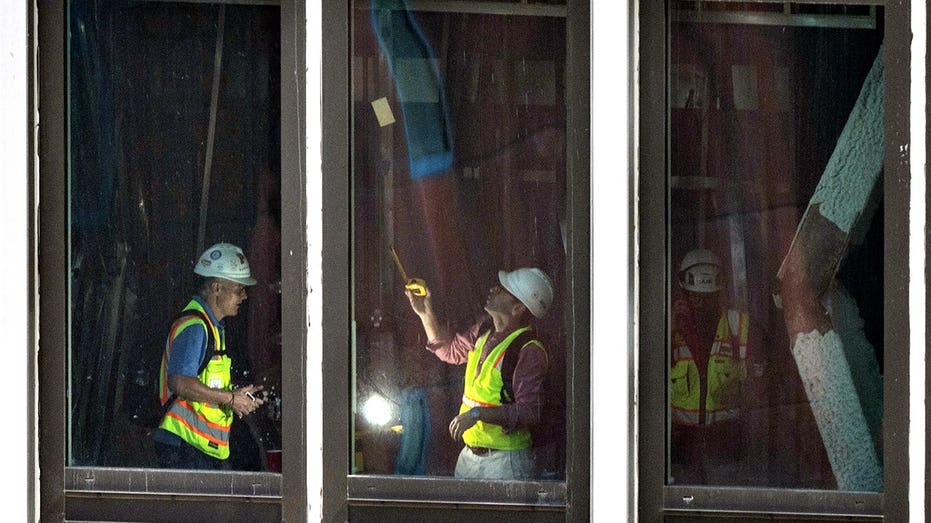
City building inspectors and structural engineers have been on-site to assess the situation independently. Their findings will ultimately determine the timeline for any potential return of residents and the full scope of necessary repairs. The department of buildings has not yet released a comprehensive report detailing their assessment.
This incident has also reignited discussions about building safety regulations and oversight in densely populated urban environments like Manhattan. Developers and building owners are under pressure to ensure the highest standards of construction and maintenance, especially for older structures that may be more susceptible to wear and tear.
While Berman's comments aim to reassure stakeholders, the focus remains on the official assessments and the transparent communication of findings. The priority for all parties involved is the safety and well-being of the building's occupants and the structural integrity of the property.
Unresolved questions persist regarding the precise cause of the initial damage to the columns and the long-term implications for the building's structural health, even if the current issue is deemed localized. Further details are expected as investigations continue.
This article was written by AI based on publicly available news reporting. Original reporting by the linked source.