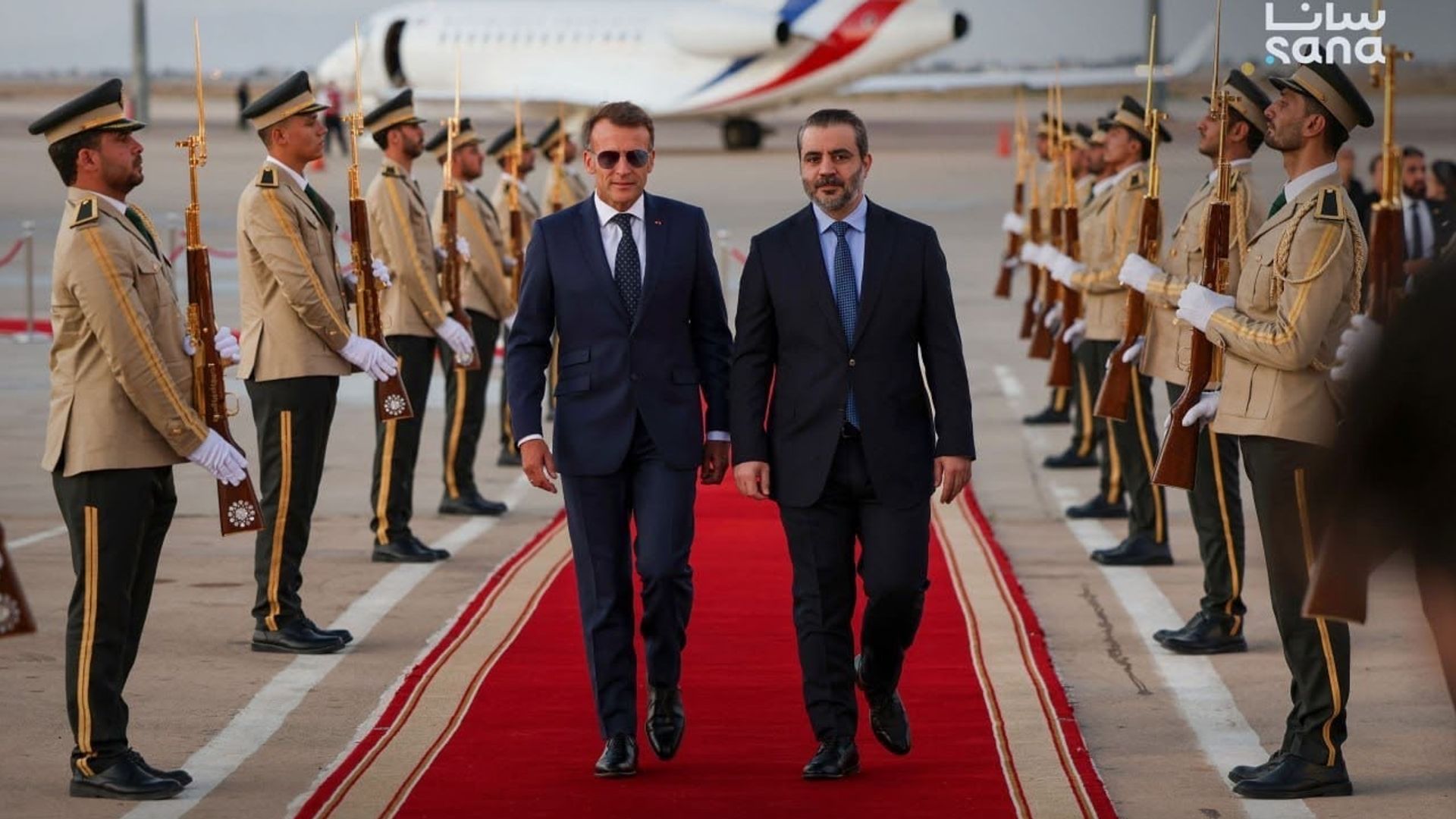
Macron Visits Syria, First Western Leader Since Assad's Fall
Emmanuel Macron made history as the first major Western leader to visit Syria since the fall of Bashar al-Assad.
French President Emmanuel Macron has made an unprecedented visit to Syria, marking the first time a major Western leader has set foot in the country since the ousting of Bashar al-Assad. The visit, details of which were closely guarded until its conclusion, signifies a potential shift in international engagement with the war-torn nation.
Macron's trip comes at a critical juncture for Syria, which has endured over a decade of devastating conflict. The fall of Assad's regime, a pivotal moment in the country's modern history, led to a significant geopolitical realignment and widespread international condemnation of the Syrian government. Western nations, including France, had largely isolated Syria following the violent suppression of protests and the subsequent civil war.
While specific objectives of Macron's visit have not been fully detailed, sources suggest discussions likely focused on the ongoing humanitarian crisis, the fight against terrorism, and the complex political landscape. The French presidency has historically played a role in Middle Eastern diplomacy, and this visit could be interpreted as an attempt to re-engage with regional dynamics on a new footing.
The implications of this visit are far-reaching. It could signal a willingness among some Western powers to reconsider their approach to Syria, potentially paving the way for increased diplomatic engagement or humanitarian aid. However, it also risks alienating other international actors and raising questions about the future of sanctions and accountability for past actions.
Historically, Western leaders have maintained a firm stance against the Assad regime, supporting opposition forces and advocating for a political transition. Macron's decision to visit now, after the regime's repositioning and consolidation of power, suggests a pragmatic reassessment of the situation on the ground. The visit was conducted under tight security, underscoring the volatile nature of the region.
Reactions from various stakeholders are expected to be mixed. Syrian opposition groups, who have long sought international support, may view the visit with cautious optimism or skepticism, depending on the outcomes of Macron's engagements. Regional powers, whose influence in Syria is substantial, will likely be closely observing France's renewed diplomatic overtures.
Details regarding the specific locations visited within Syria and any meetings held with Syrian officials or other relevant parties remain scarce. The French government has yet to release a comprehensive statement detailing the full agenda and achievements of President Macron's historic trip.
This visit raises significant questions about the future of Western policy towards Syria. Will it lead to a broader recalibration of international relations with Damascus? What impact will it have on ongoing peace efforts and the prospects for reconstruction? The world will be watching closely for further developments and official statements.
This article was written by AI based on publicly available news reporting. Original reporting by the linked source.