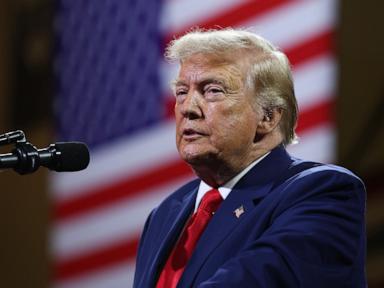
Trump considering 'massive attack' on Iran amid escalating strikes
President Trump weighs a major strike on Iran as U.S. and Iran continue to exchange military actions. Negotiations are ongoing.
President Donald Trump is reportedly considering a "massive attack" against Iran, though a final decision has not been made. This comes as the United States has conducted strikes on Iran for the 13th consecutive night, according to U.S. Central Command (CENTCOM).
The ongoing military actions follow major joint U.S.-Israeli strikes targeting Iranian military, government, and infrastructure sites announced on February 28. Despite these escalations, delegations from the U.S. and Iran have been engaged in negotiations since June, aiming for a war-ending agreement based on a memorandum of understanding.
CENTCOM stated that the recent strikes were aimed at diminishing threats from Iran's Islamic Revolutionary Guard Corps (IRGC) to commercial vessels and civilian mariners in the Strait of Hormuz. The targets included military command centers, drone storage facilities, communication networks, and coastal surveillance sites. President Trump also asserted via social media that any future damage to ships or cargo would be compensated by Iranian assets seized by the U.S.
The escalation has prompted concerns from international bodies. The UN secretary-general commented that the situation in the Middle East is "getting out of control." The State Department is reportedly considering relaunching a 24/7 task force to assist Americans potentially stranded in the Middle East due to the rapid escalation, as airlines begin canceling flights and extending suspensions.
The Strait of Hormuz remains a primary flashpoint for the ongoing exchanges between the U.S. and Iran. The U.S. has also redirected 12 vessels since resuming a blockade, further impacting maritime traffic.
In response to the U.S. actions, the IRGC has declared a UK airbase a "legitimate target," indicating a potential broadening of the conflict.
The situation highlights the volatile nature of the region, with diplomatic efforts underway alongside continued military engagement. The effectiveness of the ongoing negotiations in de-escalating the conflict remains uncertain given the persistent strikes.
Questions persist regarding the specific triggers for a potential "massive attack" and the broader implications for regional stability and international shipping routes.
This article was written by AI based on publicly available news reporting. Original reporting by the linked source.