Kansas Senate Debate: Trump, Biden Dominate, Gender Identity Surprise
Kansas Senate rivals clashed over national figures and policy, with an unexpected focus on gender identity, in a key debate.
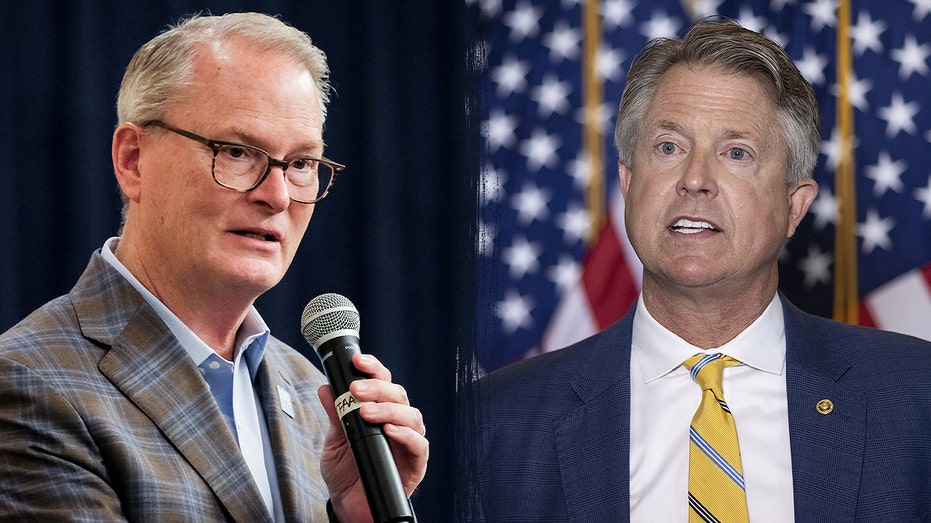
The race for the Kansas U.S. Senate seat saw candidates sharply divided on national party leaders and policy issues during a recent debate. The contest, considered crucial for control of the Senate, featured Republican incumbent Roger Marshall and Democratic challenger Patrick Schmidt. Both candidates sought to position themselves in relation to former President Donald Trump and current President Joe Biden, whose policies and legacies loomed large over the discussion.
The debate underscored the deeply polarized political landscape in Kansas and across the nation. Voters are keenly watching how candidates navigate endorsements and criticisms of national figures, as these connections can significantly influence outcomes in closely contested races. The candidates' strategies for appealing to a broad electorate while satisfying their respective party bases were on full display.
Key moments included sharp exchanges regarding economic policies under the Biden administration, which Schmidt defended as beneficial for working families, while Marshall characterized them as a "disaster." Marshall also drew attention to Trump's influence, suggesting his policies were more effective for the country. A notable surprise emerged when the candidates addressed issues of gender identity, with both offering perspectives that appeared to shift from traditional party lines, aiming to capture a broader segment of independent voters.
The implications of this debate extend beyond Kansas. The performance of both candidates, particularly their handling of national issues and their ability to connect with voters on specific policy points, could serve as a bellwether for other midterm elections. The focus on gender identity also signals a potential evolving discussion point in national political discourse.
Throughout the debate, the candidates attempted to differentiate themselves on a range of issues, from inflation and energy policy to healthcare and national security. Marshall reiterated his support for policies he argued would lower inflation and strengthen the economy, often referencing actions taken during the Trump administration. Schmidt, conversely, highlighted legislative achievements of the Biden administration and proposed policies aimed at expanding access to affordable healthcare and education.
One of the most talked-about aspects of the debate was the candidates' responses to questions about gender identity. While details were not extensively elaborated upon in the source material, the shift in focus suggested a strategic effort to appeal to moderate and independent voters who may be concerned about cultural issues. This departure from typical campaign talking points indicated a nuanced approach to a sensitive topic.
Reactions from political observers and party strategists will likely focus on how effectively each candidate managed to connect with their base while also appealing to undecided voters. The debate provided a platform for voters to assess the candidates' preparedness for federal office and their vision for Kansas and the country.
Unresolved questions remain about how these performances will translate into voter turnout and final election results. The impact of national political figures, particularly Trump and Biden, on the Kansas Senate race will continue to be a central theme as Election Day approaches.
This article was written by AI based on publicly available news reporting. Original reporting by the linked source.