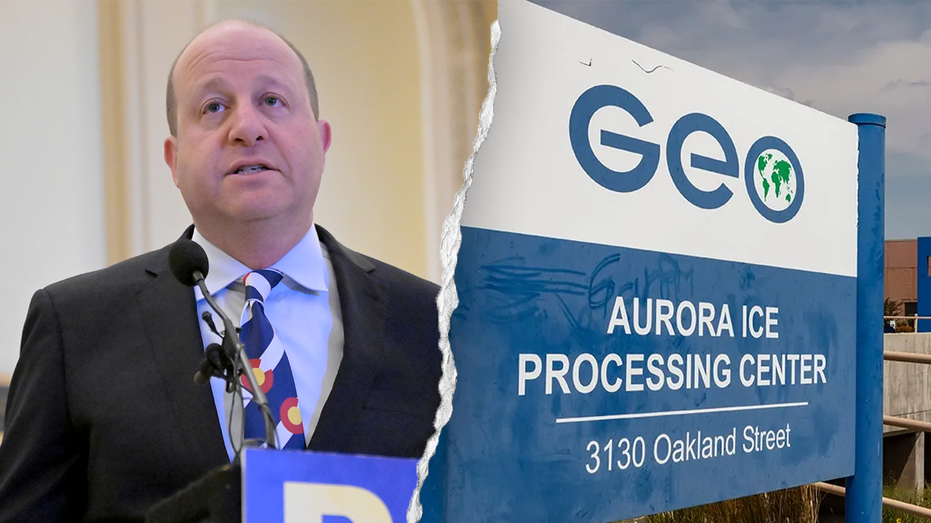
Judge Blocks Colorado Law Restricting ICE Detention Center Operations
A federal judge blocked a Colorado law impacting an ICE detention center, citing concerns over contractor rights and federal authority.
A federal judge has issued a preliminary injunction blocking a Colorado law that aimed to regulate conditions and operations at an Immigration and Customs Enforcement (ICE) detention facility. The law, passed by the state legislature, sought to impose stricter standards on the Aurora facility, which is operated by the private prison company GEO Group.
This legal challenge represents a significant hurdle for states seeking to exert more control over federal immigration detention operations within their borders. Proponents of the law argued it was necessary to ensure humane treatment and safe conditions for detainees, citing concerns raised by immigrant advocacy groups. However, the federal government and the GEO Group contended that such state-level regulations interfere with federal immigration authority.
U.S. District Court Judge Daniel D. Domenico, appointed by former President Donald Trump, ruled that the Colorado law likely violates the Supremacy Clause of the U.S. Constitution. He found that the state's regulations could conflict with federal immigration laws and the agreements between ICE and detention facility operators. The judge specifically pointed to provisions that could impede the facility's ability to contract with federal agencies.
In his ruling, Judge Domenico stated that the law appeared to impose requirements that would "impermissibly interfere with the federal government's exercise of its exclusive power over immigration and the enforcement of federal immigration laws." He also expressed concerns that the law could effectively force the closure of the detention center by making its operation under federal contract unfeasible.
The Aurora facility has been a focal point for immigrant rights activists for years, with numerous reports and lawsuits alleging inadequate medical care, prolonged solitary confinement, and other mistreatment of detainees. The blocked law aimed to address some of these issues by mandating specific staffing levels, access to legal counsel, and limitations on certain detention practices.
Following the ruling, GEO Group issued a statement welcoming the injunction, emphasizing that the facility operates in compliance with federal standards and contracts. They argued that the state law was an overreach and would have negatively impacted their ability to serve the federal government's needs.
Immigrant advocacy organizations condemned the judge's decision, vowing to continue their fight for better detention conditions. They criticized the reliance on private contractors and argued that the federal government has failed to adequately oversee these facilities. The legal battle is expected to continue, with advocates likely to explore further avenues to challenge the detention center's operations.
This case highlights the ongoing tension between state and federal authority in immigration enforcement and detention. It also raises broader questions about the role of private companies in operating detention facilities and the extent to which states can regulate these operations under federal law. The ultimate outcome could set a precedent for similar efforts in other states seeking to influence immigration detention policies.
This article was written by AI based on publicly available news reporting. Original reporting by the linked source.