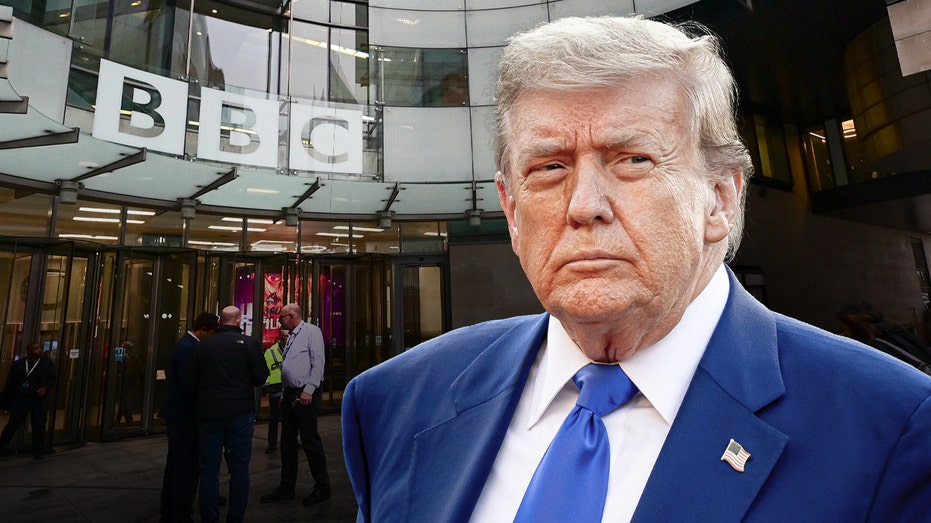
Judge Bars BBC from Relitigating Jan. 6 in Trump Lawsuit Over Documentary
A judge ruled the BBC cannot relitigate January 6th issues in Donald Trump's lawsuit concerning a documentary.
A federal judge has ruled that the British Broadcasting Corporation (BBC) cannot use Donald Trump's lawsuit against them to relitigate issues surrounding the January 6th Capitol attack. The decision came as part of the ongoing legal battle initiated by the former president over a documentary that he claims misrepresented his actions and statements.
Trump filed the lawsuit against the BBC, alleging defamation and invasion of privacy. The core of his complaint centers on the "Trump: An American Nightmare" documentary series, which he argues presented a distorted and damaging portrayal of his presidency and his involvement in the events leading up to and during the January 6th Capitol riot. He contends the documentary's creators deliberately edited footage and interviews to create a false narrative.
In a recent court filing, the BBC sought to introduce arguments that would essentially allow them to re-examine the events of January 6th, 2021, within the context of defending their documentary. However, U.S. District Judge Carl J. Nichols found this approach to be outside the scope of the current litigation. Judge Nichols stated that the central issues in Trump's lawsuit are not about the broader events of January 6th, but rather about whether the BBC's specific editorial choices in producing their documentary were defamatory or invasive.
"The BBC cannot use Mr. Trump's defamation claims as a vehicle to relitigate the events of January 6th," Judge Nichols wrote in his order. The judge's ruling effectively narrows the focus of the legal proceedings, preventing the BBC from using the lawsuit as a platform to debate the historical significance or interpretations of the Capitol attack itself. Instead, the court will concentrate on the specific journalistic practices and content of the BBC's documentary.
The implications of this ruling are significant for both parties. For Trump, it means the legal battle will remain centered on the alleged misrepresentation in the documentary, rather than getting bogged down in a wider discussion of January 6th. For the BBC, it means their defense must directly address the claims of defamation and invasion of privacy related to their specific reporting and editing choices, rather than seeking to broadly justify their coverage of the Capitol riot.
This legal dispute highlights the ongoing sensitivity surrounding the January 6th events and the media's role in reporting on them. Trump has been involved in numerous legal actions and public statements concerning the events of that day and the narratives surrounding them. The BBC, as a major international news organization, faces scrutiny over its journalistic standards and the impact of its programming.
The lawsuit is expected to proceed with a focus on the specific allegations of defamation and the evidence presented by both sides regarding the documentary's content and creation. The court's decision to limit the scope of the relitigation aims to streamline the legal process and ensure that the case addresses the core claims brought forth by the former president.
Further proceedings will likely involve discovery into the BBC's editorial process, the sources used for the documentary, and the specific edits made to footage and interviews. Both Trump and the BBC will present arguments and evidence related to whether the documentary met the legal standards for defamation or invasion of privacy, as defined by the court.
This article was written by AI based on publicly available news reporting. Original reporting by the linked source.